In recent years, coffee buyers have started to look beyond traditional origins such as Brazil and Colombia. There is a growing interest in sourcing coffee that offers both distinct flavor and reliable supply. Uganda is now becoming a key origin in these conversations.
Once known mainly for commercial-grade Robusta, Uganda is now producing high-quality beans that meet the expectations of modern roasters and importers. The rise of premium Ugandan green coffee is not accidental. It is driven by better farming practices, improved processing methods, and a stronger focus on traceability.
What Makes Ugandan Coffee Unique
Uganda has natural conditions that support strong coffee production. The country benefits from fertile soils, consistent rainfall, and a climate that allows coffee to develop fully. In higher regions, cooler temperatures help slow the maturation of beans, which improves flavor complexity.
The result is a coffee profile that stands out. Ugandan premium coffee beans are known for their full body and rich taste. Robusta varieties often deliver deep chocolate notes and a strong, smooth finish. Arabica beans grown at higher elevations can show fruit notes, light acidity, and a balanced structure.
This combination gives buyers flexibility. They can use Ugandan coffee for strong espresso blends or for more refined roasting profiles.
Direct Trade: The Real Difference
A major reason for the growing demand is the shift toward direct trade Ugandan coffee.
Direct trade allows buyers to work more closely with producers. This approach improves both trust and quality. Buyers gain clear information about where the coffee is grown and how it is processed.
Farmers also benefit from better pricing and more stable relationships. This encourages them to focus on quality and consistency. Over time, this leads to more reliable supply for buyers.
For businesses that need dependable sourcing, direct trade provides a clear advantage.
From Farm to Export
The journey of Ugandan coffee begins with careful harvesting. Farmers pick cherries at the right stage to ensure proper development. After harvesting, the coffee is processed using either natural or washed methods, depending on the desired outcome.
The beans are then dried, sorted, and graded. Quality checks are carried out to control moisture levels and reduce defects. This ensures that the coffee meets export standards.
Once prepared, the beans are packed in standard export bags and shipped to international markets. A strong focus on traceability allows buyers to understand the origin and handling of their coffee at every stage.
Why Buyers Prefer Premium Ugandan Beans
Ugandan coffee offers clear advantages for commercial buyers.
One of the main reasons is value. Buyers can access high-quality coffee at competitive prices compared to other well-known origins. This allows businesses to manage costs without reducing quality.
Another advantage is versatility. Ugandan coffee works well in espresso blends, commercial roasting, and large volume production. Its strong body and consistent performance make it a reliable choice.
Grading systems also help buyers select the right beans for their needs. This improves roasting results and product consistency.
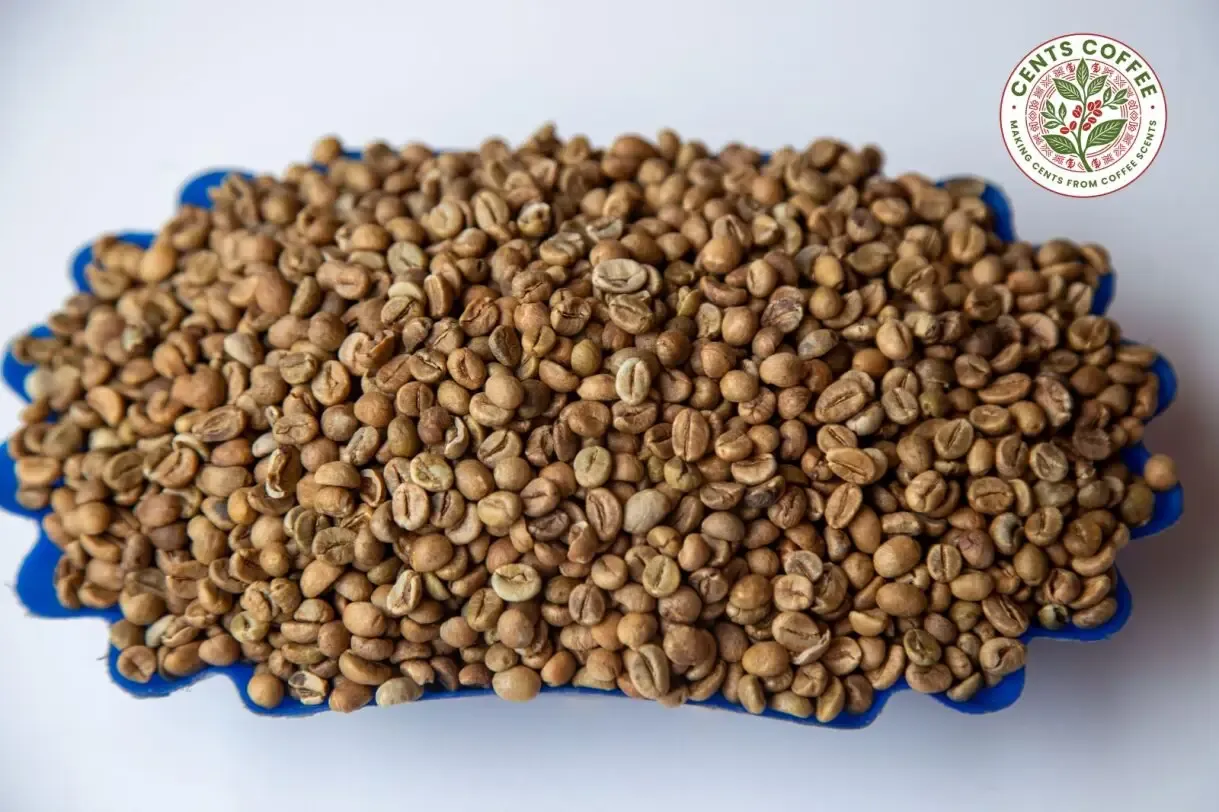
For importers and roasters, premium Ugandan green coffee offers a balance of quality, cost efficiency, and supply reliability.
Conclusion
Uganda is establishing itself as an important origin in the global coffee market.
With improved quality standards, stronger farmer relationships, and a focus on traceable sourcing, the country is gaining the attention of serious buyers. The growth of direct trade Ugandan coffee is also helping build trust and long-term partnerships.
As demand for high-quality and reliable coffee continues to increase, companies like Cents Coffee are playing an important role in connecting global buyers with premium Ugandan coffee.
FAQs
Premium Ugandan green coffee refers to high-quality, unroasted coffee beans that meet strict grading, flavor, and processing standards for export.
Ugandan coffee is gaining popularity due to improved farming practices, better processing, and its ability to deliver strong flavor at competitive prices.
Ugandan coffee typically offers a full body with chocolate notes in Robusta and fruity, balanced profiles in high-altitude Arabica.
Uganda produces both, but it is traditionally known for Robusta while also growing high-quality Arabica in elevated regions.
Direct trade Ugandan coffee involves buyers sourcing beans directly from farmers or cooperatives, improving transparency, quality, and pricing.
It provides better pricing, stable relationships, and incentives for farmers to focus on quality and consistency.
Ugandan coffee is typically processed using natural (dry) or washed methods, depending on the desired flavor profile.
Buyers value Ugandan beans for their consistent quality, versatility in roasting, and cost-effectiveness compared to other origins.
Yes, its strong body and rich flavor make it ideal for espresso blends and commercial roasting applications.
Quality is ensured through careful harvesting, drying, sorting, grading, and strict moisture and defect control before export.