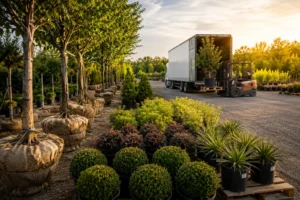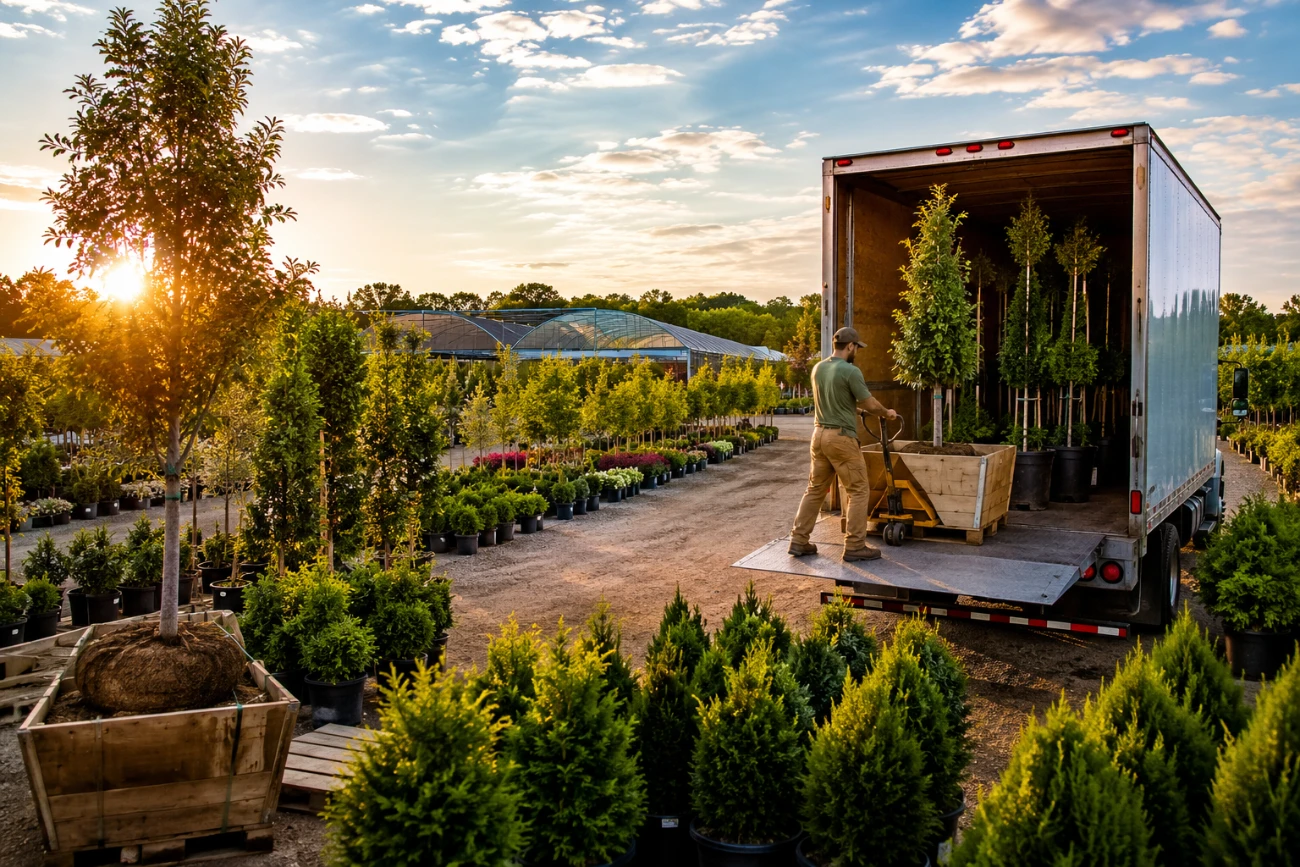
Plant sourcing plays a much bigger role in landscaping and commercial development than many people realize. Behind every successful landscape installation, retail garden center, hospitality property, or municipal green space is a carefully coordinated sourcing process that ensures the right plants arrive at the right place, at the right time, and in healthy condition. Companies like Tree Source demonstrate how professional plant sourcing works at scale through extensive grower networks, direct shipping, logistics coordination, rewholesale service centers, and project support solutions that help landscapers, contractors, and commercial projects secure plant material efficiently with reliable delivery and streamlined planning.
And honestly? Good plant sourcing can make or break a project.
A beautiful design means very little if the required plant material is unavailable, delayed, unhealthy, or poorly matched to the environment. That’s why modern plant sourcing has evolved far beyond simply buying plants from a nursery. It now involves logistics, forecasting, quality control, sustainability planning, transportation management, and strategic supplier relationships.
The process is detailed. Sometimes complicated. But incredibly important.
What Is Plant Sourcing?
At its core, plant sourcing is the process of locating, selecting, purchasing, and coordinating plant material for a specific need or project.
Simple definition. Complex execution.
The sourcing process may involve:
- Wholesale nurseries
- Regional growers
- Tree farms
- Propagation facilities
- Rewholesale suppliers
- Transportation companies
- Landscape contractors
- Municipal buyers
Plant sourcing can support projects of every size. A homeowner redesigning a backyard may source a few ornamental shrubs, while a commercial developer might require thousands of trees, grasses, and perennials across multiple states.
The scale changes dramatically. The core principles stay the same.
Why Plant Sourcing Matters So Much
Plants are living materials. That changes everything.
Unlike concrete, steel, or stone, plants are affected by:
- Temperature
- Moisture
- Sun exposure
- Transportation stress
- Seasonal timing
- Soil compatibility
- Climate conditions
A delay of even a few days can impact plant health during transportation. Poor sourcing decisions can lead to higher mortality rates, expensive replacements, and major project delays.
That’s why experienced sourcing teams focus heavily on planning and coordination before orders are finalized.
Good plant sourcing creates:
| Benefit | Impact |
| Better plant health | Higher survival rates |
| Accurate scheduling | Fewer project delays |
| Reliable inventory | Improved project efficiency |
| Climate compatibility | Long-term landscape success |
| Strong logistics planning | Reduced transportation damage |
The behind-the-scenes work matters more than many people realize.
How the Plant Sourcing Process Works
Professional plant sourcing usually starts long before plants are loaded onto trucks.
The first step is understanding the actual needs of the project.
Identifying the Right Plant Material
Not every plant works in every environment.
A sourcing specialist must evaluate:
- Climate conditions
- USDA hardiness zones
- Soil composition
- Drainage
- Sun exposure
- Irrigation access
- Maintenance expectations
- Design goals
This stage is critical because plant selection affects long-term performance.
For example, sourcing tropical material for an arid environment may create ongoing maintenance challenges and water demands. On the other hand, native and climate-adapted plants often establish more successfully with lower maintenance requirements.
Smart sourcing starts with realistic planning.
Finding Reliable Growers and Suppliers
This is where relationships become incredibly important.
Professional plant sourcing often depends on strong grower networks developed over years within the nursery industry. Reliable suppliers help ensure consistent inventory quality, better communication, and more predictable delivery timelines.
Sourcing professionals evaluate:
- Plant quality standards
- Inventory availability
- Production capacity
- Regional growing conditions
- Shipping capabilities
- Past performance
Sometimes a single project requires material from multiple growers across different regions.
That creates another layer of coordination.
Seasonal Availability Changes Everything
Timing affects nearly every aspect of plant sourcing.
Certain trees may only be available during specific harvest windows. Some shrubs perform better when planted during cooler seasons. Other plant varieties may face temporary shortages due to weather events or production cycles.
Even strong demand alone can disrupt availability.
A major commercial construction boom in one region may suddenly increase demand for specific species, reducing supply elsewhere.
This is why experienced sourcing teams often plan months ahead.
Wholesale Nurseries and Their Role in the Industry
Wholesale nurseries are the backbone of large-scale plant sourcing.
These facilities grow and distribute plants in volume, supplying:
- Landscape contractors
- Municipal projects
- Commercial developments
- Garden centers
- Property management companies
- Hospitality projects
Unlike retail nurseries, wholesale operations focus heavily on production scale and logistics coordination.
That requires substantial planning.
Some wholesale nurseries specialize in:
- Shade trees
- Native plants
- Drought-tolerant species
- Container-grown material
- Field-grown trees
- Tropical plants
- Ornamental shrubs
Others operate as rewholesale centers, coordinating material from multiple growers to fulfill complex project requirements.
That flexibility can be extremely valuable during large installations.
Challenges in Plant Sourcing
Plant sourcing sounds straightforward until real-world problems appear.
And they appear constantly.
Weather and Climate Disruptions
Weather impacts nursery production heavily.
A freeze can damage inventory. Drought conditions can reduce growth rates. Storms may disrupt transportation schedules or destroy crops entirely.
Some growing regions also face increasing climate unpredictability, making forecasting more difficult than it was years ago.
This affects availability, pricing, and delivery timelines.
Flexibility matters.
Transportation Challenges
Moving living plants across long distances requires careful coordination.
Plants can experience stress during transportation due to:
- Heat exposure
- Wind damage
- Moisture loss
- Improper handling
- Delayed unloading
- Long transit times
Transportation planning often includes:
| Logistics Factor | Why It Matters |
| Route planning | Reduces transit time |
| Load protection | Prevents physical damage |
| Temperature management | Protects plant health |
| Delivery timing | Supports installation schedules |
| Moisture control | Reduces plant stress |
The logistics side of plant sourcing has become increasingly sophisticated over the years.
It has to be.
Supply Chain Disruptions
Recent supply chain disruptions affected nearly every industry, including horticulture.
Labor shortages, fuel costs, transportation delays, and inventory shortages created major challenges for growers and contractors alike.
Some projects faced:
- Limited plant availability
- Longer lead times
- Higher freight costs
- Increased replacement expenses
- Delayed installations
These challenges pushed many sourcing professionals to diversify supplier networks and improve forecasting systems.
Adaptability became essential.
Maintaining Plant Quality During Transit
A healthy plant at the nursery does not guarantee a healthy plant upon arrival.
Transportation stress can quickly reduce quality.
Professional plant sourcing teams often focus on:
- Proper loading techniques
- Moisture retention
- Shade protection
- Air circulation
- Careful unloading coordination
Even small details matter.
A truck sitting too long in extreme heat can create serious damage within hours.
That’s why logistics planning is tightly connected to successful plant sourcing.
Sustainable Plant Sourcing Practices
Sustainability is becoming a major priority across the nursery and landscaping industries.
And not just for marketing reasons.
More clients now prioritize:
- Native plants
- Water-efficient landscapes
- Reduced transportation emissions
- Responsible growing practices
- Lower maintenance requirements
Sustainable plant sourcing supports both environmental goals and long-term project performance.
Native and Climate-Appropriate Plants
Native plants continue gaining popularity for good reason.
They often require:
- Less irrigation
- Fewer chemical treatments
- Lower maintenance
- Better climate resilience
They also support local ecosystems and pollinators.
For commercial landscapes especially, climate-appropriate sourcing can significantly reduce operational costs over time.
That matters to developers and property owners.
Reducing Waste in the Supply Chain
Plant waste is expensive.
Poor planning may result in:
- Overstocked inventory
- Unused plant material
- Transportation losses
- Installation damage
- Replacement orders
Efficient plant sourcing helps reduce those issues through:
- Better forecasting
- Coordinated deliveries
- Accurate quantity planning
- Smarter scheduling
The goal is efficiency without sacrificing quality.
Technology Is Changing Plant Sourcing
The nursery industry has become far more technology-driven than many people expect.
Modern sourcing operations now use:
- Digital inventory systems
- GPS logistics tracking
- Forecasting software
- Real-time availability updates
- Online ordering platforms
This improves communication between growers, sourcing teams, contractors, and transportation providers.
And speed matters.
A contractor working on a fast-moving commercial project may need inventory confirmation quickly to avoid scheduling delays.
Technology helps streamline that process.
Online Plant Inventory Systems
Digital inventory systems allow sourcing teams to check availability across multiple growers much faster than traditional manual methods.
This improves:
- Order accuracy
- Availability visibility
- Delivery coordination
- Project scheduling
It also helps sourcing professionals respond more effectively to shortages or substitutions.
The industry still relies heavily on relationships and experience. But technology now plays a major supporting role.
Plant Sourcing for Commercial Landscaping Projects
Commercial projects create unique sourcing challenges because the scale is often massive.
A single development may require:
- Hundreds of trees
- Thousands of shrubs
- Multiple plant varieties
- Coordinated delivery schedules
- Phased installations
That level of complexity demands careful planning.
Large commercial projects often involve coordination between:
- Landscape architects
- Developers
- General contractors
- Municipal agencies
- Nursery suppliers
- Logistics providers
Every delay impacts budgets and schedules.
Reliable plant sourcing becomes essential for keeping projects moving.
Hospitality, Municipal, and Public Projects
Hotels, parks, resorts, and public infrastructure projects often require highly coordinated plant sourcing plans.
These projects may prioritize:
- Visual consistency
- Large specimen trees
- Climate resilience
- Long-term durability
- Low maintenance costs
Public projects sometimes include strict specifications regarding plant size, species, and sourcing standards.
That increases the importance of experienced coordination.
Choosing the Right Plant Sourcing Partner
Not all sourcing providers operate the same way.
Experience matters tremendously.
A strong sourcing partner should understand:
- Regional climate conditions
- Seasonal availability
- Plant health standards
- Transportation logistics
- Project coordination
Communication also matters more than people expect.
Poor communication can quickly create scheduling problems, substitution confusion, or delivery mistakes.
Reliable sourcing teams provide:
- Clear inventory updates
- Accurate timelines
- Flexible coordination
- Responsive communication
- Logistics transparency
That level of organization supports smoother project execution from beginning to end.
Evaluating Plant Quality
Plant quality should never be overlooked.
Healthy plants typically show:
- Strong root systems
- Balanced branching
- Healthy foliage
- Proper structural growth
- Minimal pest damage
Quality inspections often happen before shipping to reduce issues upon arrival.
Because replacing damaged or poor-quality material later becomes far more expensive.
The Future of Plant Sourcing
The future of plant sourcing will likely become even more technology-driven, sustainability-focused, and logistics-oriented.
Demand continues growing for:
- Native plants
- Drought-tolerant landscapes
- Climate-resilient species
- Faster delivery coordination
- Real-time inventory visibility
At the same time, climate challenges and supply chain pressures continue reshaping production strategies across the industry.
Growers and sourcing professionals are adapting constantly.
Some operations are expanding regional production networks to reduce transportation risks. Others are investing heavily in forecasting systems and automated inventory management.
Efficiency is becoming increasingly important.
So is flexibility.
Final Thoughts
Plant sourcing is far more than purchasing plants from a nursery. It’s a carefully coordinated process involving growers, logistics providers, inventory systems, transportation planning, sustainability strategies, and project management.
When done correctly, effective plant sourcing supports healthier landscapes, smoother installations, better project timelines, and stronger long-term results.
And in today’s increasingly complex supply environment, thoughtful sourcing matters more than ever.
From wholesale nurseries and grower networks to transportation coordination and sustainability planning, every stage of the process plays a role in delivering healthy, reliable plant material where it’s needed most.
The landscapes people enjoy every day rarely happen by accident.
Behind them is planning. Coordination. Timing. Experience.
And very smart plant sourcing.
FAQs
Plant sourcing is the process of finding, selecting, and coordinating plant material for landscaping, retail, or commercial projects.
Proper plant sourcing helps ensure healthy plants, reliable delivery, and better long-term landscape performance.
Landscape contractors, developers, municipalities, garden centers, hotels, and property managers commonly rely on plant sourcing.
Wholesale nurseries grow and supply large quantities of plant material while helping coordinate inventory and delivery schedules.
Weather, transportation delays, seasonal shortages, and supply chain disruptions can all impact plant availability.
Plants are carefully loaded, watered, covered, and transported under controlled conditions to reduce stress and damage.
Native plants are species naturally adapted to a region’s climate and soil conditions, often requiring less maintenance and water.
Large commercial projects often require sourcing plans several months in advance to secure inventory and delivery timing.
Experience, plant quality, communication, logistics coordination, and reliable grower networks are all important factors.
Modern inventory systems, forecasting tools, and logistics tracking help improve availability visibility and delivery coordination.