
Homestead & Garden
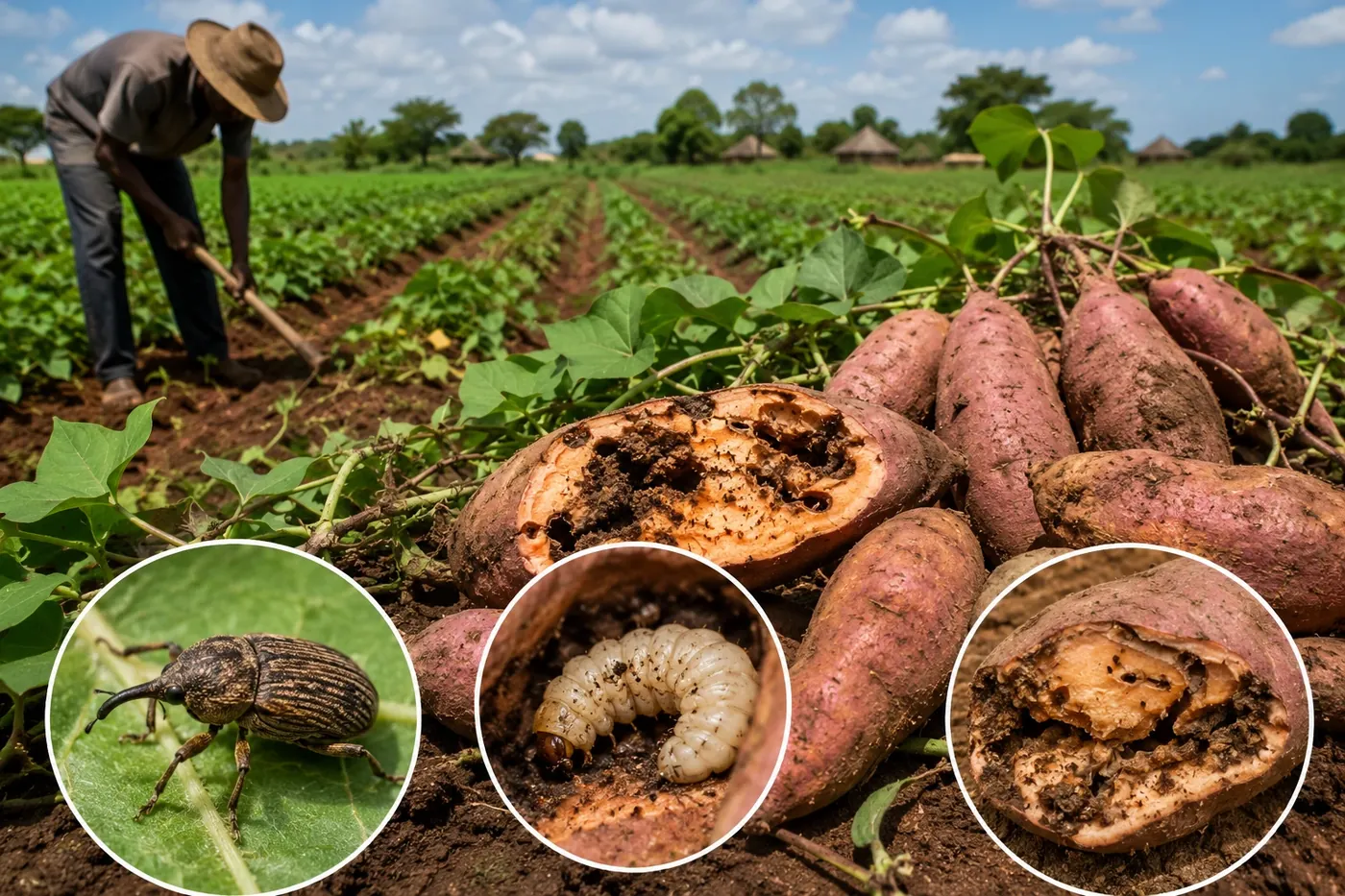
Best Agricultural Practices to Avoid Sweet Potato Weevil Infestation
Avoid sweet potato weevil infestation with proven farming practices, crop rotation, sanitation, and biological control for healthier harvests.
Browse by topic
Grow better, live simpler.
Welcome to Purely Wholesome Farm
Purely Wholesome Farm is a farm kitchen and homestead journal. Juicy brined chicken, lamb chops with all the right sides, silky pumpkin pie, healthy goats and happy hens: real know-how from the barn and the stove, plus free tools that do the math for you.
 Brine CalculatorExact salt for any salt brand
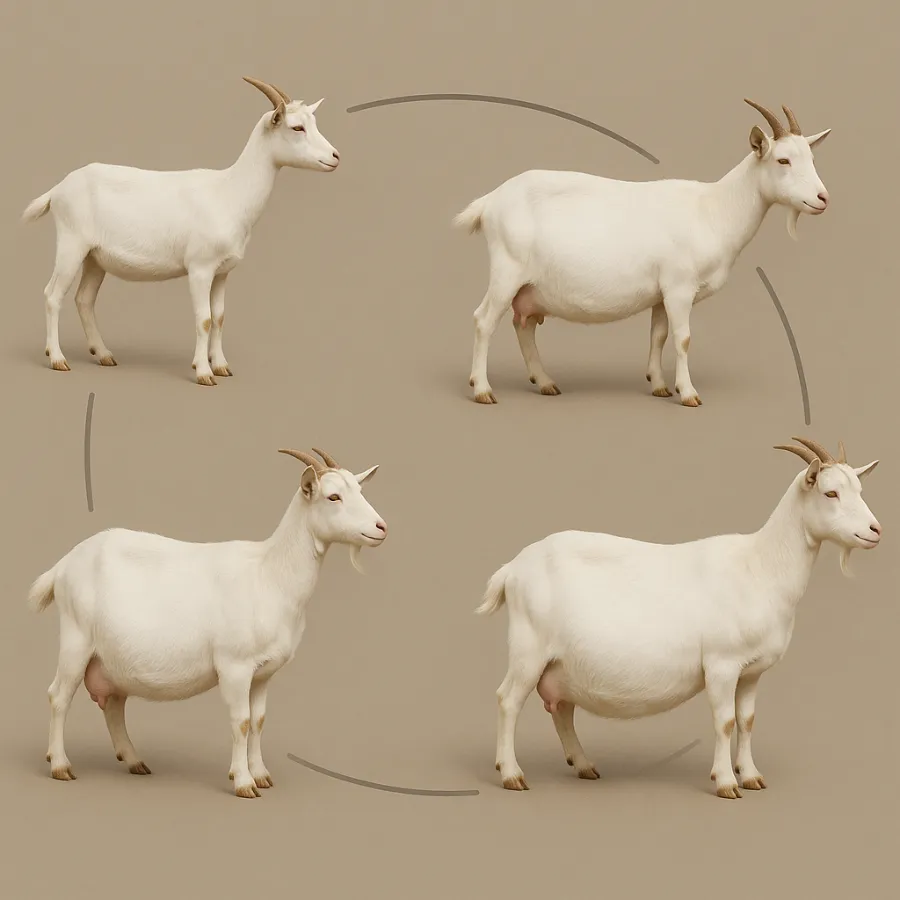
Kidding due date150 days, mapped out
fresh from the farm ♥
Brine CalculatorExact salt for any salt brand
Kidding due date150 days, mapped out
fresh from the farm ♥
Reader favorites
The recipes and guides thousands of home cooks and homesteaders come back to, refreshed and expanded for this season.
Lamb Recipes
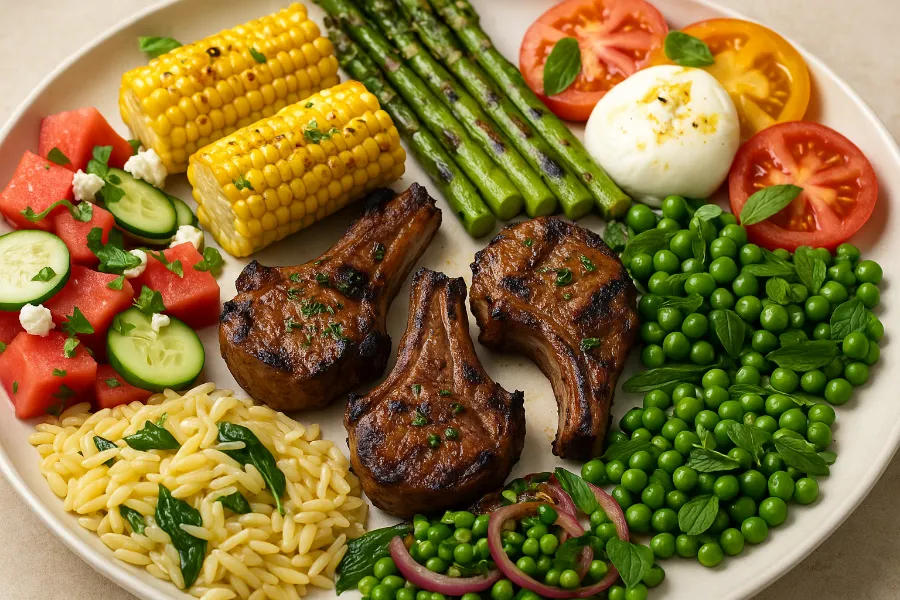
Sides for Lamb Chops: My Go-To Pairings That Always Impress
The best sides for lamb chops, from garlic-herb potatoes and minted peas to summer salads, with sample menus and an interactive plate builder.
 Pumpkin, Pies & Baking
Pumpkin Pie Filling Too Watery? How to Fix It for a Silky, Set Pie
Pumpkin, Pies & Baking
Pumpkin Pie Filling Too Watery? How to Fix It for a Silky, Set Pie
 Lamb Recipes
The Best Sauce for Lamb Chops: From Classic Mint to Bold Tomato
Lamb Recipes
The Best Sauce for Lamb Chops: From Classic Mint to Bold Tomato
 Brining
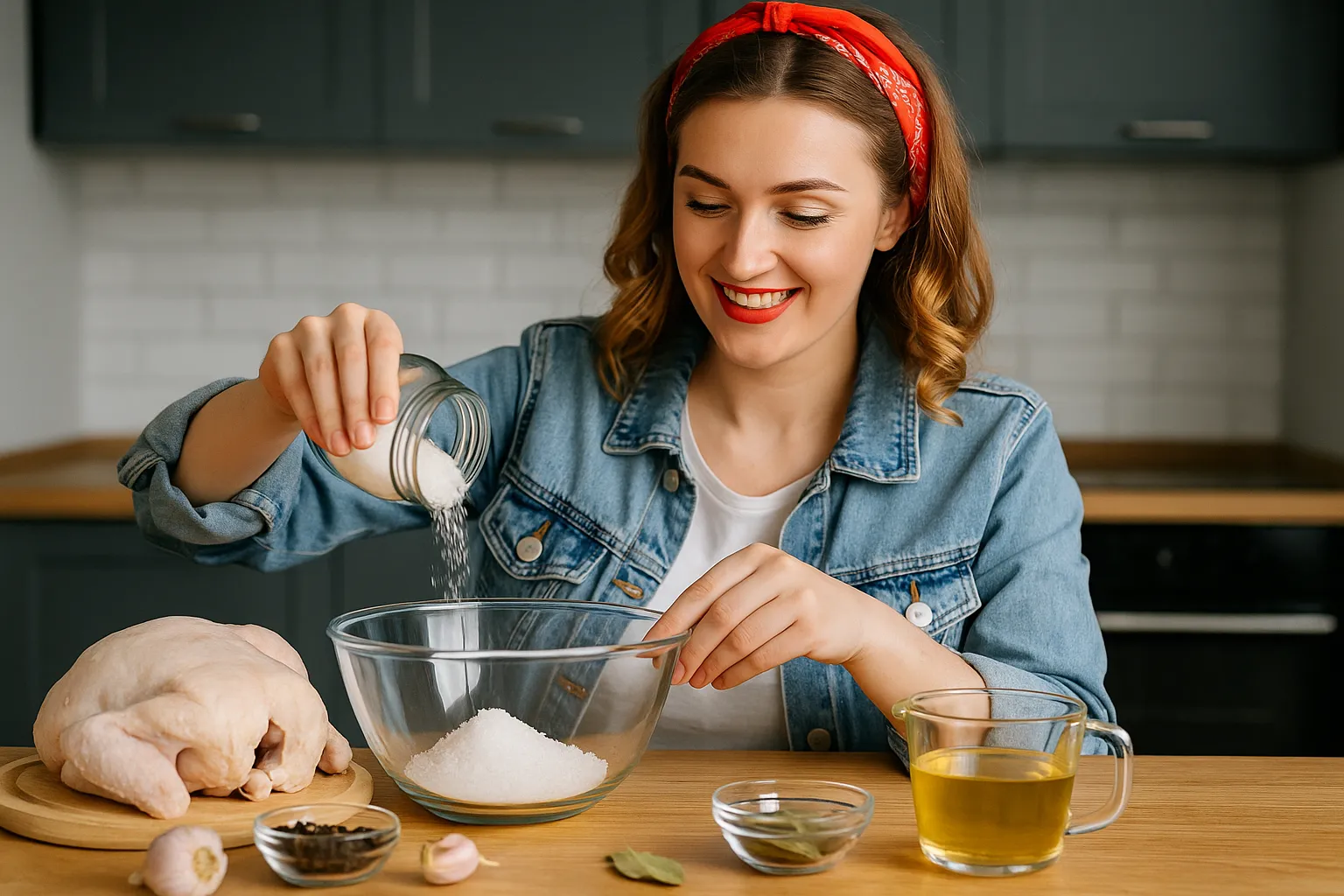
How to Brine a Chicken for Juicy, Flavorful Poultry
Brining
How to Brine a Chicken for Juicy, Flavorful Poultry
 Brining
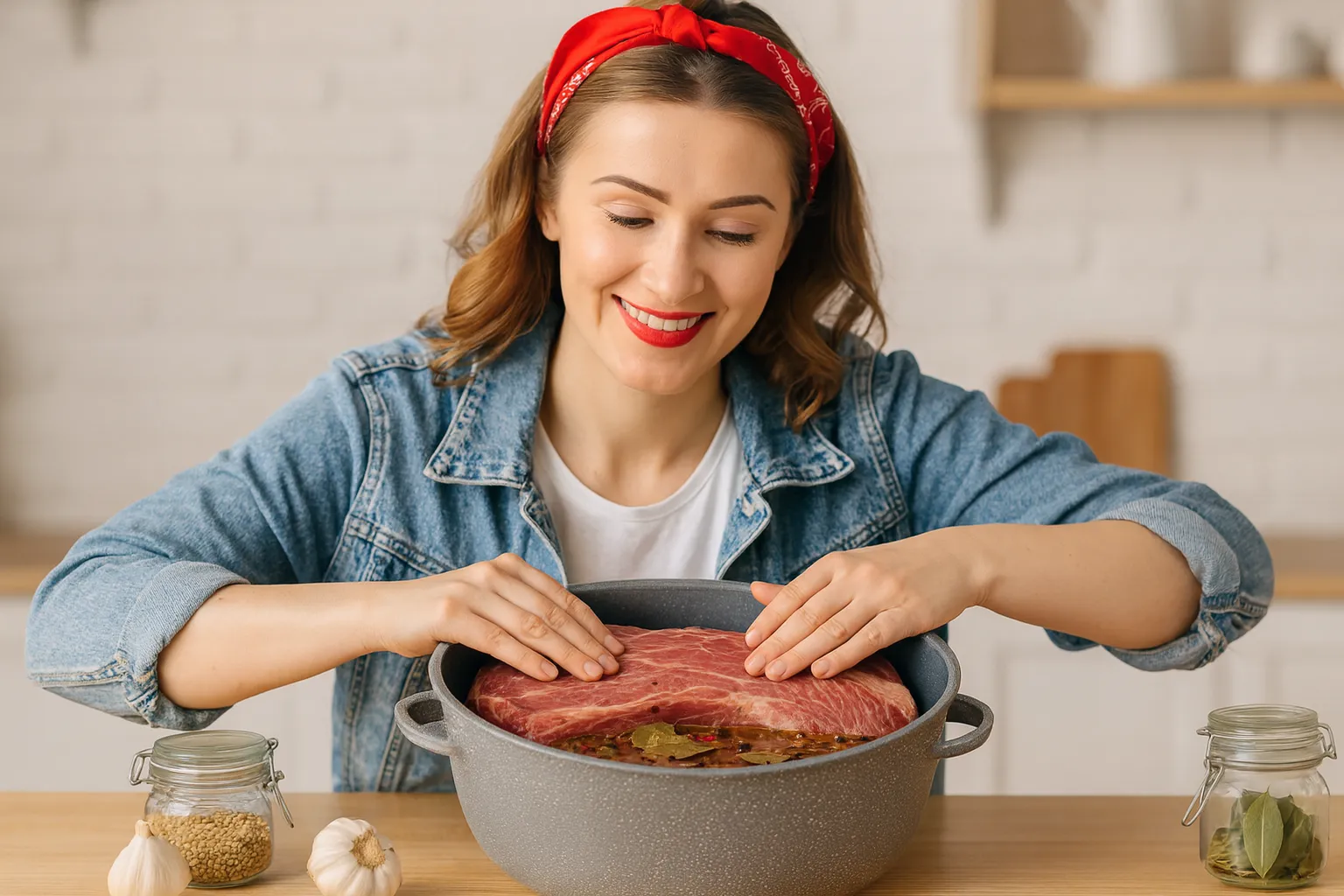
Brine Brisket: My Go-To Method for Flavor-Packed, Tender Meat
Brining
Brine Brisket: My Go-To Method for Flavor-Packed, Tender Meat
 Chickens & Eggs
What to Do With a Rooster: Lessons from My Backyard Flock
Chickens & Eggs
What to Do With a Rooster: Lessons from My Backyard Flock
 Homestead & Garden
How to Keep Livestock Water from Freezing: Winter Survival Guide
Homestead & Garden
How to Keep Livestock Water from Freezing: Winter Survival Guide
Free interactive tools
Salt ratios, pull temperatures, kidding dates, altitude adjustments: the numbers every farm kitchen needs, worked out in seconds. No sign-up, works on your phone.
Try it right here ↓
Free interactive tool
Exact salt and sugar for any amount of water, by salt brand, plus how long to brine each cut.
Topic hubs
207 practical guides, organized the way a farm day actually runs: from the barn to the stove.
Lamb RecipesChops, roasts, sauces and the sides that make them sing.
28
BriningSalt ratios, timing and containers for juicy chicken, turkey and brisket.
12
Pumpkin, Pies & BakingPumpkin pie fixes, sourdough, crackers and scratch desserts.
36
 Canning & PreservingWater bath basics, pickles, salsa and safe jar prep.
12
Raising GoatsBreeds, kidding, milking and keeping a healthy herd.
47
Chickens & EggsCoops, flock care, roosters and farm fresh eggs.
24
Homestead & GardenGarden beds, winter chores, tools and farm know-how.
31
Canning & PreservingWater bath basics, pickles, salsa and safe jar prep.
12
Raising GoatsBreeds, kidding, milking and keeping a healthy herd.
47
Chickens & EggsCoops, flock care, roosters and farm fresh eggs.
24
Homestead & GardenGarden beds, winter chores, tools and farm know-how.
31
 Farmhouse CraftsDish cloths, towels, yarn and handmade home goods.
13
Farmhouse CraftsDish cloths, towels, yarn and handmade home goods.
13
 From the Farm KitchenEveryday scratch cooking from the farmhouse table.
4
From the Farm KitchenEveryday scratch cooking from the farmhouse table.
4
October on the farm
Sugar pumpkins, silky pies and winterizing the coop. Here is what is on the Purely Wholesome Farm to-do list right now, and the guides that help.
See everythingOur roots
Purely Wholesome Farm started with a simple idea: farming and scratch cooking should be accessible, practical and deeply rewarding. We write the way we would explain things over the fence: what worked, what didn’t, and what we would do differently next time.
Just added
Avoid sweet potato weevil infestation with proven farming practices, crop rotation, sanitation, and biological control for healthier harvests.
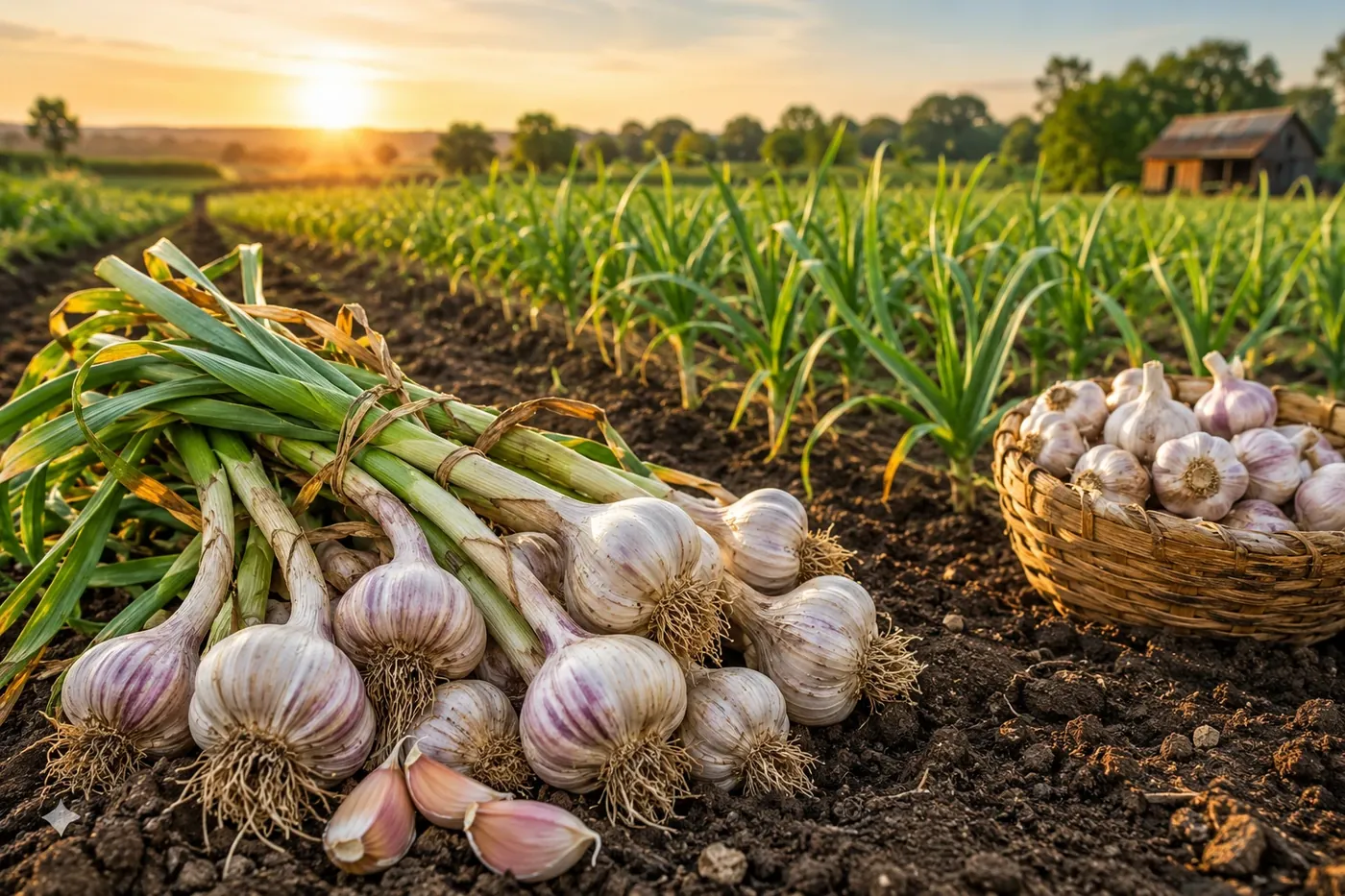
Learn Garlic Farming Basics from planting to harvest with simple tips on soil, care, pest control, harvesting, and storage for healthy yields.
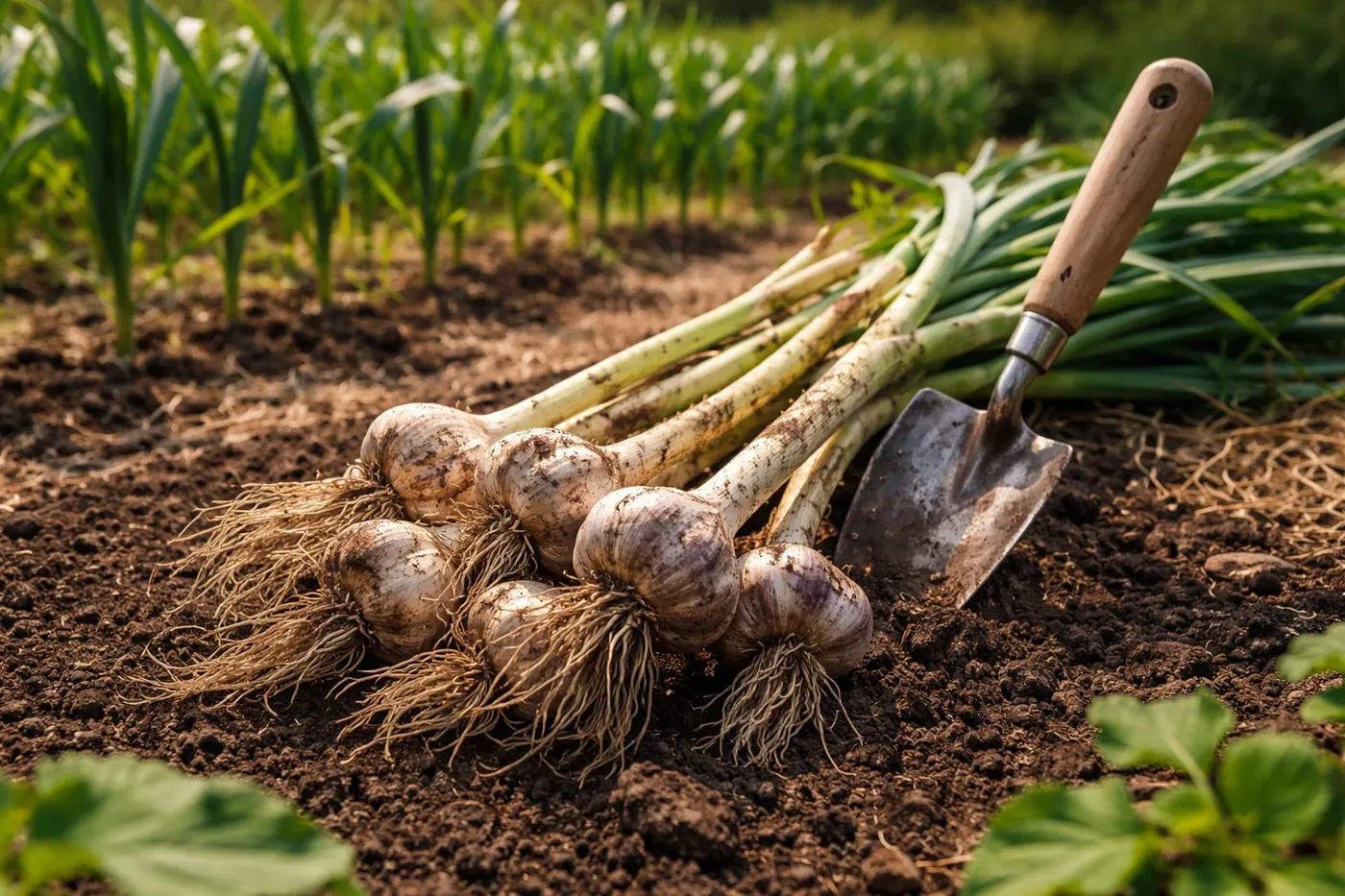
Growing garlic at home made easy with tips on planting, harvesting, and storing for fresh, flavorful bulbs year-round.
Leaving the farm for a few days? Follow simple steps for animal care, home prep, and security to leave your farm without worry.
Discover 3 ways to create a tranquil oasis with water features. Learn how fountains, pond aerators, and lighting transform outdoor spaces. Read now.
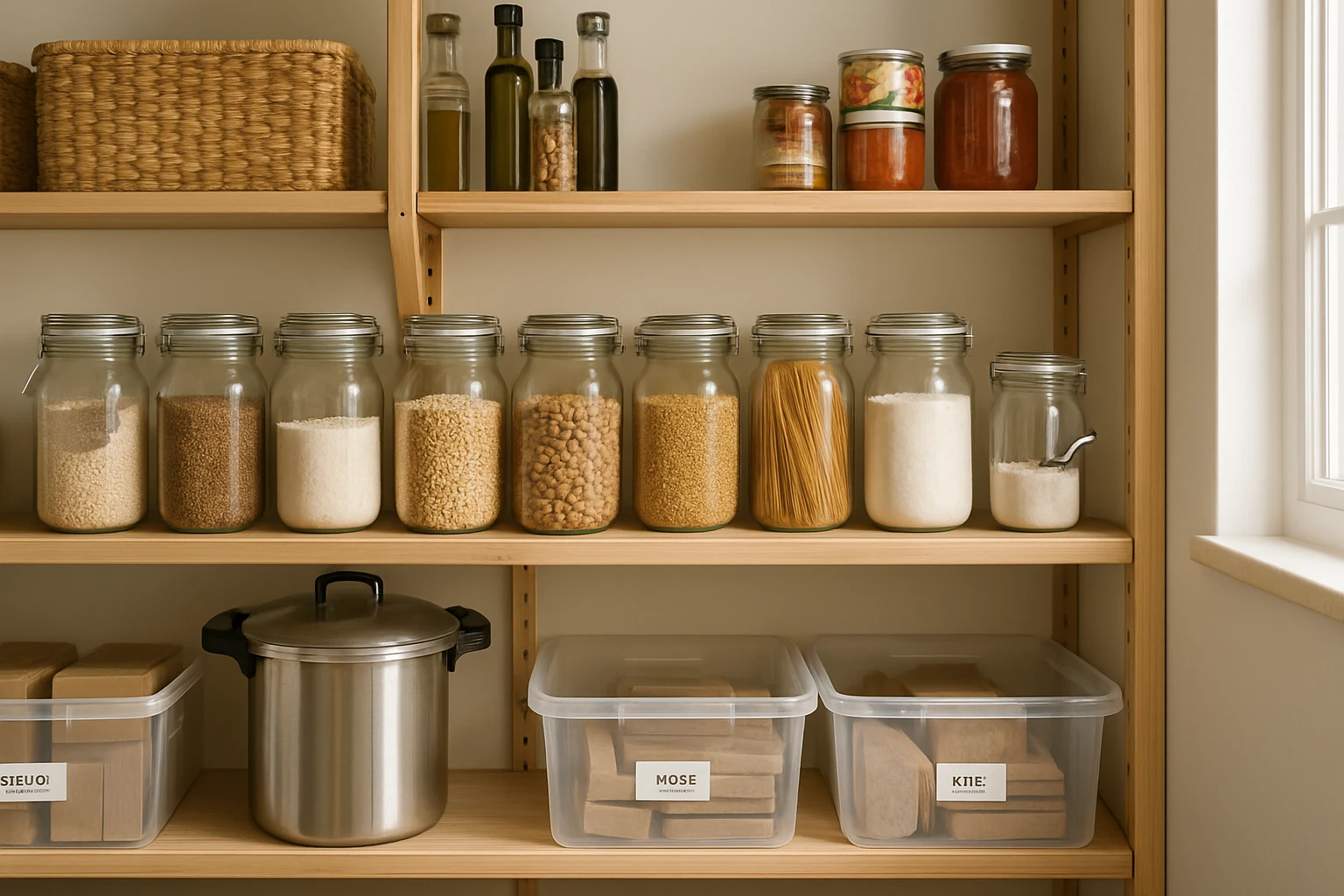
Home storage plans for self-sufficiency. Organized solutions for easy maintenance. Tips on storing food, supplies, and essentials. Factual guidance provided.
Good to know
Purely Wholesome Farm is a farm kitchen and homestead journal. We publish scratch recipes, practical livestock and garden guides, and free interactive tools for people who cook from scratch and keep animals, whether on acreage or a backyard.
Yes. Every calculator on Purely Wholesome Farm is free, works on your phone, and needs no sign-up: the brine calculator, lamb cooking calculator, goat due date calculator, canning altitude adjuster, egg planner and more.
Most readers find us through our lamb and brining guides. Start with what to serve with lamb chops, how to brine a chicken, or our pumpkin pie fixes, then explore the topic hubs for goats, chickens, canning and baking.
No. Our livestock guides share hands-on homestead experience and cite veterinary and extension sources, but they are not a substitute for your veterinarian, especially for a sick or kidding animal.
We no longer publish paid guest posts. Everything on Purely Wholesome Farm is written for home cooks and homesteaders. If you have a question, a correction or a story to share, we would love to hear from you.
Try