Raising Goats
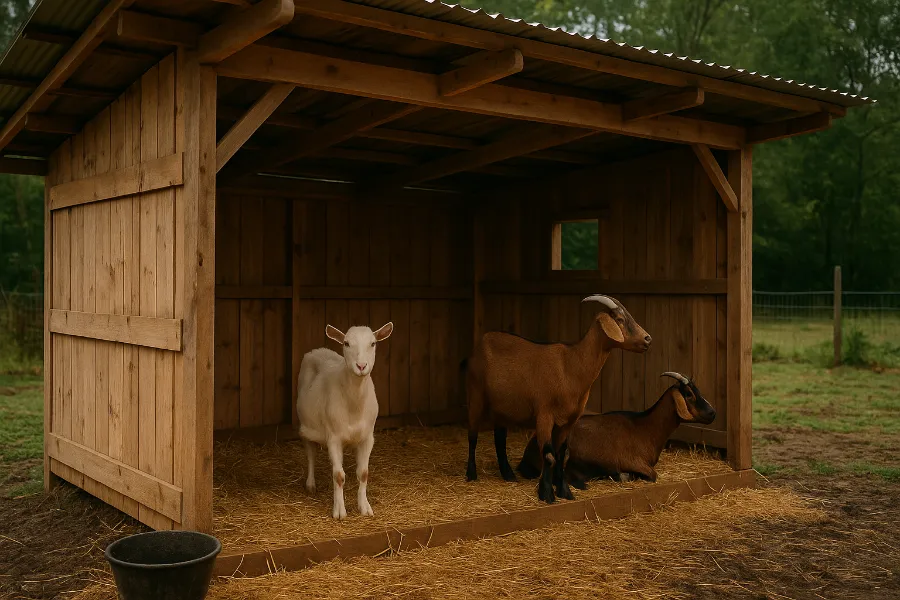
How to Keep Goat Shelters Dry and Parasite-Free
Learn how to keep goat shelters dry and parasite-free with proven cleaning systems, checklists, and natural care practices.
Browse by topic
Grow better, live simpler.
Free tool from Purely Wholesome Farm
Enter a rectal temperature reading to see if it is normal, low or a fever, and what to do next.
Free interactive tool
Enter a rectal temperature reading to see if it is normal, low or a fever, and what to do next.
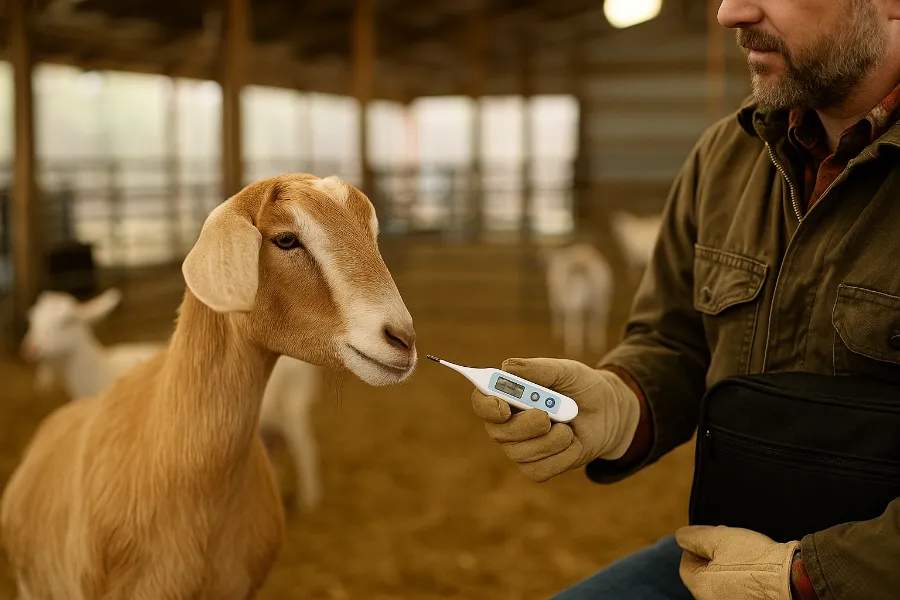
A thermometer is the fastest way to tell a goat that is “a bit off” from one that needs help now. A healthy adult goat runs about 101.5 to 103.5°F (38.6 to 39.7°C). Readings can sit a little higher on a hot afternoon or after exercise, so recheck in an hour if you are borderline.
About 101.5 to 103.5°F (38.6 to 39.7°C) for an adult. Kids can run slightly higher.
Above about 104°F (40°C) is a fever. Call your vet, especially if the goat is off feed or not chewing cud.
Below about 100°F (37.8°C) is serious, particularly in newborn kids, and points to hypothermia, shock or advanced illness. Warm the goat and call a vet right away.
Results are planning guides based on typical values. Always use a thermometer and follow tested recipes; for animal health questions, your veterinarian has the final word.
Related guides
Learn how to keep goat shelters dry and parasite-free with proven cleaning systems, checklists, and natural care practices.
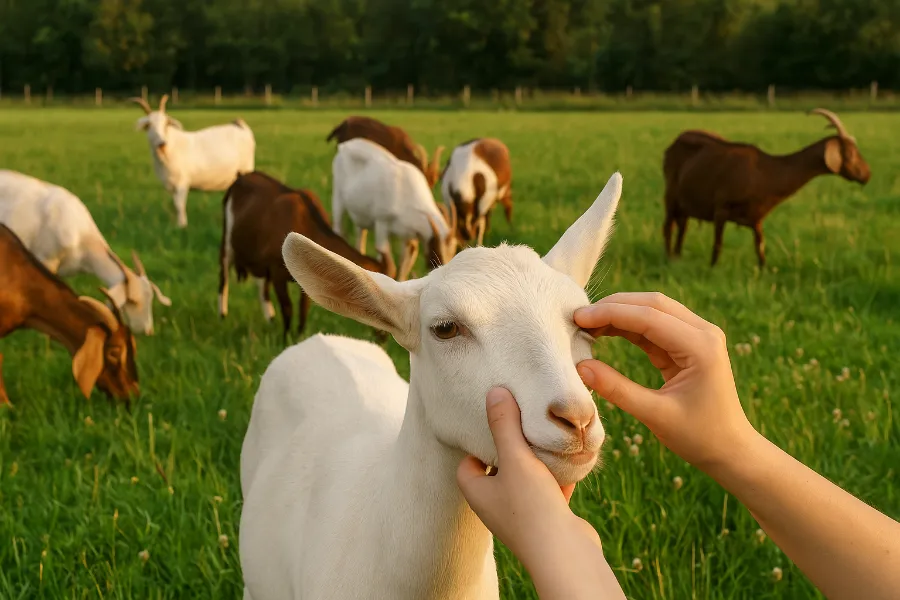
Learn what goat eyelid color means, how to detect anemia early, and use FAMACHA for better goat health and care.
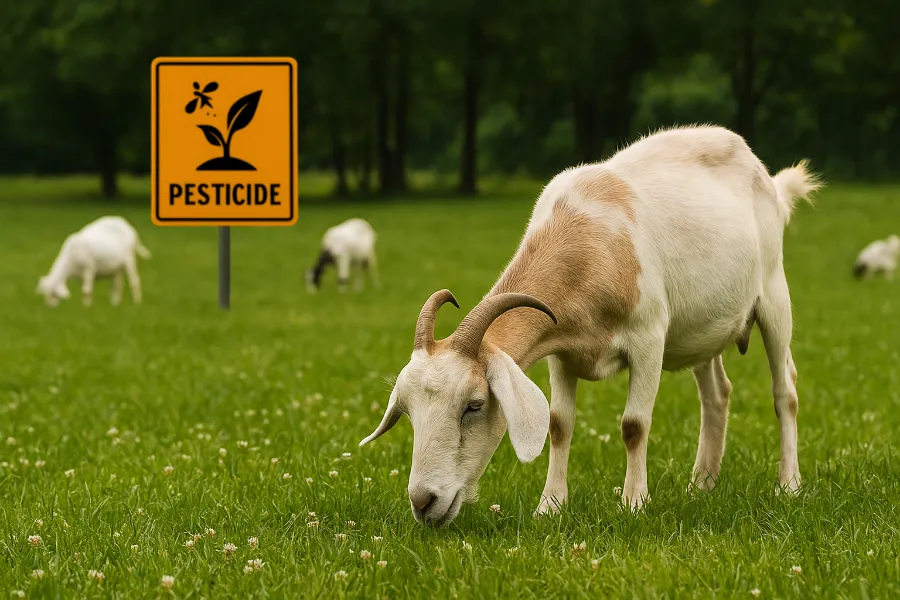
Learn what causes sudden diarrhea after pasture change in goats and how pasture management helps prevent it.
Normal goat temperature is about 101.5-103.5°F. How to take a goat's temperature, what a fever or low reading means, and when to call the vet.
More tools
Try