Chickens & Eggs
What Makes A Chicken Coop Suitable For All Seasons?
Learn what makes an all-season chicken coop suitable year-round, from ventilation and insulation to predator protection and smart placement.
Browse by topic
Grow better, live simpler.
Free tool from Purely Wholesome Farm
How many hens you need for the eggs you eat, plus coop space, nest boxes and weekly feed.
Free interactive tool
How many hens you need for the eggs you eat, plus coop space, nest boxes and weekly feed.
Check local rules before you buy chicks: many towns cap backyard flocks or ban roosters.
A good laying hen gives five or six eggs a week at her peak, fewer in her first molt, through winter, and as she ages. Plan for the low season, not the spring flush, and you will rarely run short. This planner works from typical breed averages and standard space guidelines.
A productive laying breed averages 5 to 6 eggs a week in peak season. Heritage and dual-purpose breeds average 3 to 5, and most hens slow down in winter.
Plan for about 4 square feet per bird inside the coop and 10 square feet per bird in the run, plus 8 to 10 inches of roost per bird.
One nest box for every 4 to 5 hens is plenty; they like to share favorites.
Results are planning guides based on typical values. Always use a thermometer and follow tested recipes; for animal health questions, your veterinarian has the final word.
Related guides
Learn what makes an all-season chicken coop suitable year-round, from ventilation and insulation to predator protection and smart placement.
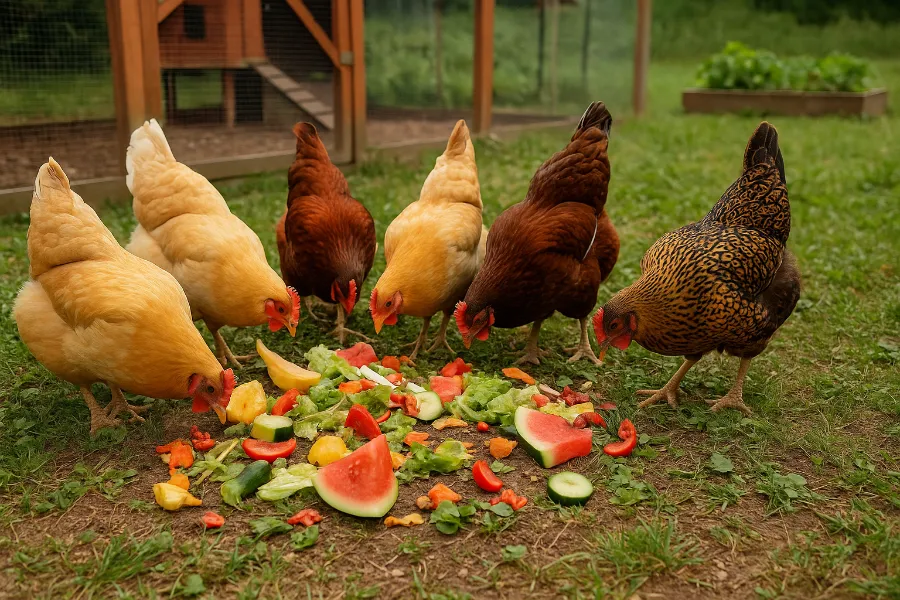
Discover safe kitchen scraps for chickens—healthy, sustainable, and budget-friendly feeding ideas for backyard flocks.
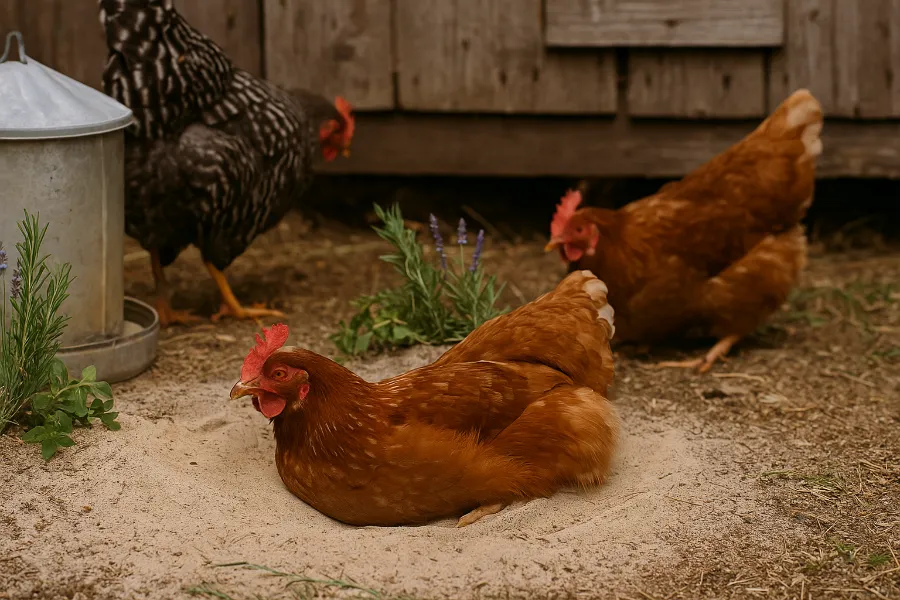
Discover natural ways to control chicken mites safely with organic, plant-based, and budget-friendly treatments for backyard chickens.
Discover the best calcium for hens, including oyster shell, calcium carbonate, and alfalfa for stronger eggshells naturally.
More tools
Try