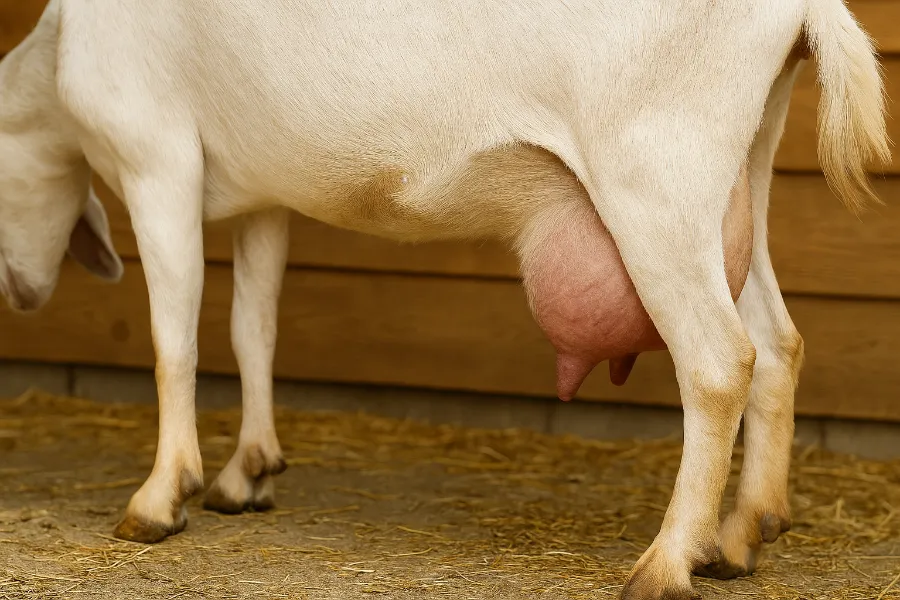
I still remember the first time I dealt with goat mastitis. One of my favorite does suddenly kicked during milking — something she never did. Her milk looked strange, and when I felt her udder, it was warm and firm. My heart dropped. That’s when I realized just how serious mastitis in goats can be — and how quickly it can threaten a herd if you don’t catch it in time.
Over the years, I’ve learned through trial, error, and good mentorship how to prevent, treat, and manage mastitis the natural way. In this post, I’ll walk you through everything I’ve learned — from goat mastitis symptoms to goat mastitis treatment, along with the best mastitis natural remedies that actually help.
If you’re raising dairy goats, this is one topic you’ll want to master. Healthy udders mean steady goat milk production, less stress for your herd, and milk you can trust.
Mastitis in Goats: What It Really Means
Simply put, mastitis in goats is an inflammation of the udder tissue — usually caused by bacteria sneaking in through the teat canal. Once inside, they multiply and cause swelling, pain, and changes in the milk. It can happen fast, especially if the udder has even a small cut or if hygiene slips for just a day or two.
There are two main forms of mastitis:
- Clinical mastitis – The obvious type, where the udder is swollen, the milk looks off, and the goat is clearly uncomfortable.
- Subclinical mastitis – The hidden kind. The milk might look normal, but the infection is already affecting milk quality and production.
I learned early on that both can be equally damaging — and that early detection makes all the difference.
Goat Mastitis Symptoms: What to Look For
Knowing the signs of mastitis has become second nature for me. Every time I walk into the milking area, I watch and listen closely to each doe. These are the red flags I’ve learned to never ignore:
- Swelling or hardness in one half of the udder
- Warm or hot udder to the touch
- Clots, flakes, or watery milk
- Discoloration — yellowish, pink, or even bloody
- Pain or kicking during milking
- Sudden drop in milk yield
- Lethargy, reduced appetite, or fever
Sometimes the changes are subtle — just a different feel when milking or a little less milk in the bucket. But those tiny details often reveal the start of something big.
I check udders daily because once mastitis takes hold, it’s much harder to fight.
How to Treat Goat Mastitis: My Tried-and-True Routine
When I spot signs of mastitis, I don’t wait. Over the years, I’ve developed a step-by-step routine that has saved more udders than I can count.
Step 1: Isolate and Test
The first thing I do is separate the affected doe. I always milk her last so bacteria don’t spread through my equipment or hands. If I have a test like the CMT (California Mastitis Test) handy, I’ll check her milk for high cell counts — a clear sign of infection.
Step 2: Strip Out the Milk
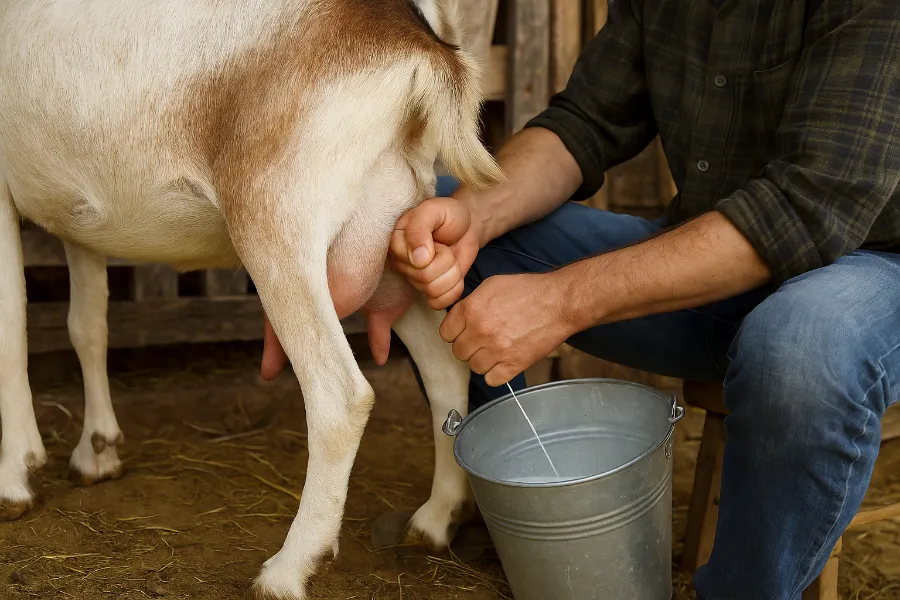
Frequent milking helps clear out bacteria and toxins. I milk the infected side gently every few hours, discarding the milk each time. It may feel wasteful, but it’s essential for recovery.
Step 3: Warm Compresses and Massage
Warm compresses work wonders. I soak a clean towel in hot water, wring it out, and apply it to the udder for 10 minutes at a time. A gentle upward massage afterward helps reduce swelling and promote circulation.
Step 4: Veterinary Support
If the infection is advanced — if the udder feels rock hard, or the goat develops a fever — I call my vet. Depending on the case, they might recommend:
- Intramammary antibiotic infusions
- Systemic antibiotics for severe infections
- Anti-inflammatory medication to ease pain and swelling
Following the vet’s instructions and completing treatment is critical — stopping too soon can cause recurrence or resistance.
Step 5: Supportive Care
Alongside treatment, I focus on comfort and nutrition. I give the doe plenty of fresh water, soft hay, loose minerals, and probiotics to keep her digestion balanced during recovery.
Mastitis Natural Remedies: What Has Worked for Me
Over time, I’ve learned that mastitis natural remedies can complement veterinary treatment and even help prevent flare-ups. These are the remedies that have genuinely made a difference in my herd.
- Aloe Vera Gel: Applied gently on the udder to reduce heat and swelling.
- Calendula and Comfrey Salves: Promote healing and soothe irritated skin.
- Diluted Tea Tree Oil: A mild antibacterial wash for cleaning the udder before milking.
- Garlic and Echinacea: Added to feed for immune support.
- Apple Cider Vinegar (ACV): A tablespoon or two in water helps balance the body’s internal environment.
- Vitamin E and Selenium: Strengthen udder tissue and overall immunity.
These aren’t replacements for antibiotics in severe infections, but they’re powerful allies. When used consistently, they help maintain udder health naturally.
Goat Milking: Daily Habits That Prevent Mastitis
Prevention starts with consistency. When it comes to goat milking, how you handle your daily routine matters more than any single treatment.
Here’s what my routine looks like now — and why I rarely see mastitis anymore:
- Clean milking area: I sanitize the stand and wipe down all surfaces before each session.
- Udder prep: Each goat gets a warm udder wash and a clean towel.
- Order matters: Healthy goats first, any suspicious ones last.
- Complete milking: Never leave milk behind — it’s a breeding ground for bacteria.
- Post-milking dip: I dip teats in an iodine-based disinfectant every single time.
- Dry bedding: I replace straw or shavings daily to keep udders clean.
- Machine maintenance: If you use a milking machine, check liners and suction regularly — damage or improper pressure can cause injuries.
- Calm environment: Goats pick up on stress. A calm, predictable routine keeps them relaxed and helps with milk let-down.
The small habits — the wipes, the dips, the quiet — add up to major protection against mastitis.
Goat Milk Production: How Mastitis Affects Yield
Every drop of goat milk is hard-earned, so it’s disheartening when mastitis takes a toll on goat milk production. Even mild infections can reduce milk flow and fat content, sometimes permanently if scarring occurs inside the udder.
I’ve seen does lose half their output after a bad infection — and while some recover, others never fully bounce back. That’s why prevention and early care aren’t just about saving the goat; they’re about preserving the milk you rely on.
To support recovery, I usually:
- Offer extra high-quality alfalfa or clover hay
- Add sunflower seeds for Vitamin E and healthy fats
- Keep her on a consistent feeding and milking schedule
- Let her rest more and avoid stress
When a doe recovers, her milk quality often returns, but it may take several weeks. Patience is key.
Goat Mastitis Treatment: What to Avoid
If you’re new to treating mastitis, it’s easy to make well-intentioned mistakes. Here are some lessons I learned the hard way:
- Don’t skip veterinary guidance — not all infections respond to the same medication.
- Don’t massage too roughly — it can worsen inflammation.
- Don’t reuse towels or milking cloths — bacteria spread easily.
- Don’t feed infected milk to kids — it can pass bacteria or toxins.
- Don’t stop treatment early — even if the udder looks better.
And the biggest one? Don’t ignore the little signs. Mastitis almost always starts small.
Goat Mastitis Symptoms: How to Spot Severity
After dealing with enough cases, I’ve learned to gauge severity by feel and behavior.
- Mild cases: Slight hardness or warmth, small drop in yield.
- Moderate cases: Swelling, flakes in milk, definite discomfort.
- Severe cases: Red or purplish udder, foul-smelling milk, fever, and loss of appetite.
In extreme cases, gangrenous mastitis can set in — where udder tissue dies off. It’s rare but life-threatening, and it demands immediate veterinary care.
Every time I milk, I take a few seconds to run my hands along the udder. It’s a small ritual that has saved me more than once.
Dairy Goats: Why Breed and Management Matter
Some dairy goats are more prone to mastitis than others. Heavy producers like Nubians or Saanens have larger udders, which can make them more susceptible to injury or contamination.
Good management evens the playing field. Keep udders trimmed, clean, and free of mud or burrs. Avoid overcrowding, and make sure your shelter has proper ventilation. Healthy goats are less stressed and more resistant to disease.
If you’re breeding your own herd, consider selecting for strong udder attachment and teat placement. Genetics play a bigger role than most of us realize.
Signs of Mastitis: The Subtle Clues I Never Miss Anymore
Before I became confident at spotting mastitis, I missed some subtle cues — and paid for it. Now, I look for:
- Goats shifting uncomfortably on the stand
- A doe that doesn’t want to be milked
- A change in the smell or texture of milk
- A quiet goat that suddenly isolates herself
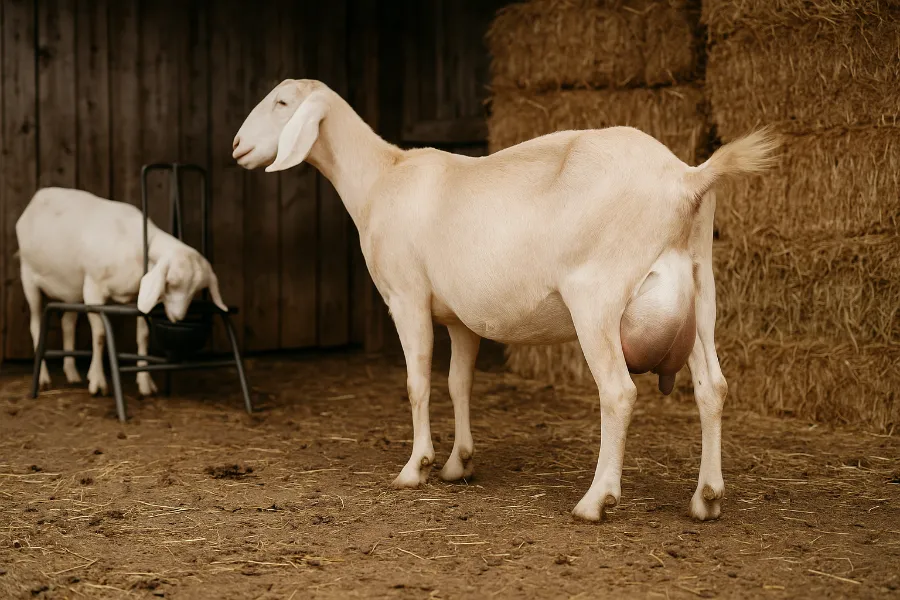
- Uneven udder halves when viewed from behind
These small details often reveal problems before they become big ones. Trust your instincts — if something feels off, it usually is.
Goat Milk: Keeping It Clean and Safe
Healthy goat milk begins long before the first stream hits the bucket. Mastitis prevention and milk hygiene go hand in hand.
Here’s how I keep my milk clean:
- Filter milk immediately after milking.
- Chill it quickly to slow bacterial growth.
- Clean and dry all milking equipment thoroughly.
- Never mix milk from a suspect udder with the rest of the batch.
The cleaner your process, the safer your milk — and the longer it keeps that fresh, sweet flavor.
Final Thoughts: Living and Learning Through Goat Mastitis
Looking back, goat mastitis taught me more about patience, discipline, and animal care than almost anything else on the farm. I used to panic at the first sign of clots in the bucket; now, I know what to do, when to call for help, and how to stop it before it spreads.
If you care for goats, remember this: clean hands, calm hearts, and quick action will take you farther than fear ever will.
Healthy udders mean happy goats — and happy goats give the best milk you’ll ever taste.
FAQs
Goat mastitis is an infection or inflammation of the udder, usually caused by bacteria entering through the teat canal. It affects milk quality and can cause pain, swelling, and reduced milk yield.
Early signs include swelling, heat, or hardness in the udder and clots or flakes in the milk. You may also notice your goat acting uncomfortable or producing less milk.
Mild cases can be supported with aloe vera, garlic, tea tree oil, and vitamin E. Always monitor progress closely and call a vet if symptoms worsen or persist.
No, milk from an infected udder should not be consumed or fed to kids. It can contain harmful bacteria or antibiotic residues during treatment.
Keep milking areas clean, sanitize udders before and after milking, and maintain dry bedding. Consistent hygiene and stress-free routines are your best defenses.
Yes, severe or repeated infections can permanently damage udder tissue, reducing future milk output. Early detection helps prevent lasting effects.
Call a vet if the udder is rock-hard, discolored, or the goat has a fever or stops eating. Quick veterinary care can prevent severe complications.