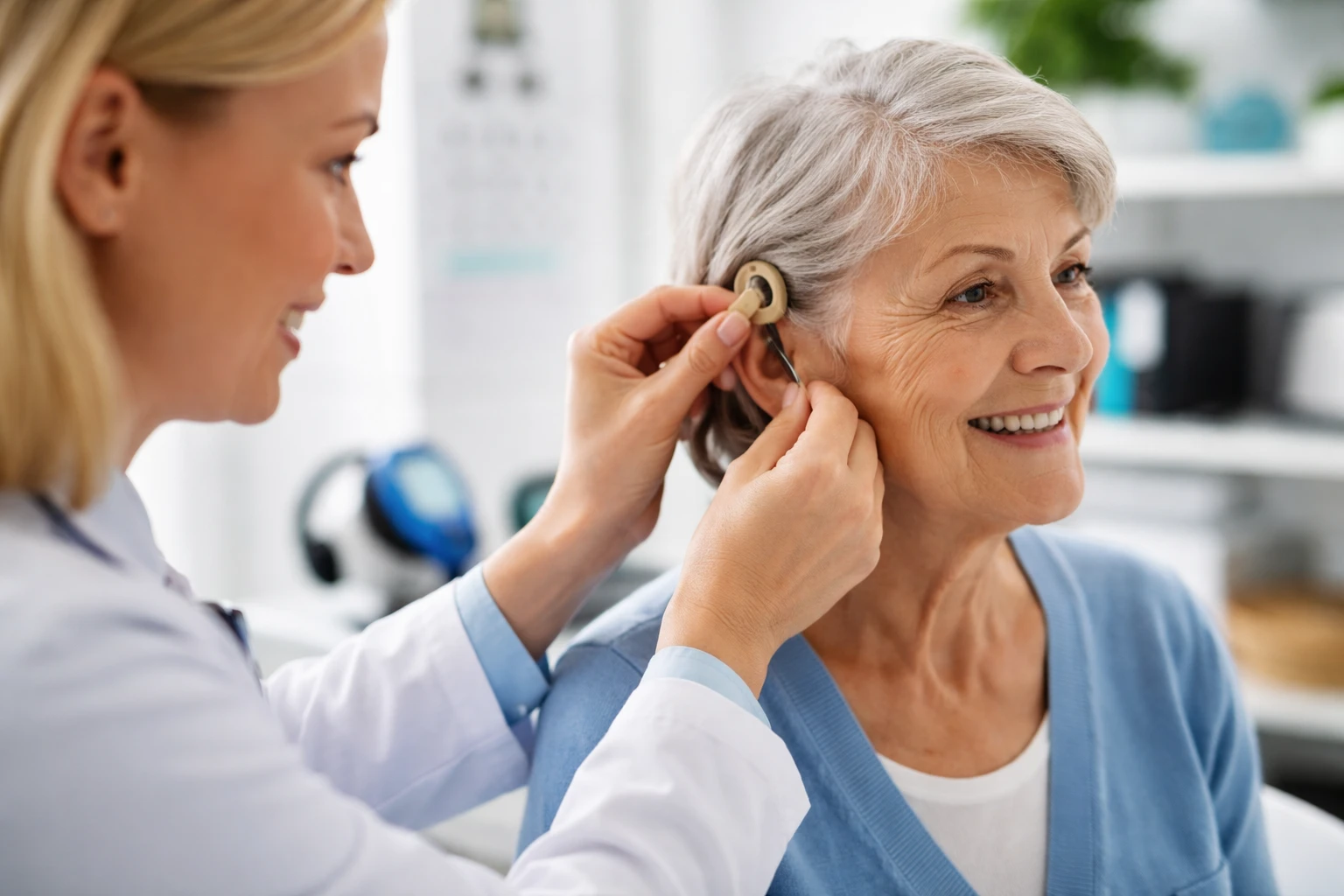
Hearing loss often develops gradually. Conversations become harder to follow. Background noise feels overwhelming. You may find yourself turning up the television or asking others to repeat themselves. Because the change can be subtle, many people delay seeking care. Yet hearing health is closely connected to overall wellness, and postponing support can have consequences that go far beyond the ears.
At a time when people are living longer and staying active later in life, hearing care plays a critical role in maintaining independence, confidence, and cognitive health. Whether you are exploring solutions for yourself or helping a loved one, understanding the broader impact of hearing loss is the first step toward making informed decisions.
For those searching for guidance locally, finding the best hearing clinic in Waterloo is not simply about advanced devices. It is about comprehensive care that considers your lifestyle, long term health, and personal communication goals.
Hearing Loss Is More Common Than Many Realize
Hearing loss is one of the most common chronic health conditions worldwide. According to the World Health Organization, over 430 million people globally require rehabilitation for disabling hearing loss, and that number is expected to grow significantly in the coming decades due to aging populations and noise exposure.
While aging is a major factor, hearing loss is not limited to seniors. Prolonged exposure to loud music, occupational noise, certain medications, and underlying medical conditions can affect adults at many stages of life. Unfortunately, stigma and misconceptions still prevent many people from taking action early.
The Link Between Hearing and Brain Health
Recent research has strengthened our understanding of how closely hearing is connected to cognitive function. Studies published in medical journals such as The Lancet have identified hearing loss as one of the most significant modifiable risk factors for dementia. When the brain receives reduced auditory input, it must work harder to process sound. Over time, this added strain may contribute to cognitive decline.
Social isolation also plays a role. When communication becomes difficult, people may withdraw from conversations, social gatherings, or professional settings. Reduced social engagement is associated with an increased risk of memory problems and depression.
Addressing hearing loss early can help keep the brain actively engaged. Modern hearing aids are designed not only to amplify sound but to improve speech clarity, reduce background noise, and support natural listening experiences. Consistent use may help preserve social interaction and cognitive stimulation.
The Emotional Impact of Untreated Hearing Loss
The effects of hearing loss are not purely physical. Emotional well being is deeply affected when communication breaks down. Individuals with untreated hearing challenges are more likely to report frustration, anxiety, and lowered self confidence. Family members may also feel strain when conversations require repetition or when misunderstandings occur frequently.
It is common for patients to describe a sense of relief once they begin appropriate treatment. Reconnecting with familiar sounds, participating fully in conversations, and hearing grandchildren clearly again can significantly improve mood and overall quality of life.
Hearing health is therefore not simply about volume. It is about connection.
Physical Health and Safety Considerations
Hearing also plays a role in environmental awareness and balance. The inner ear contributes to our sense of equilibrium. Research suggests that even mild hearing loss may be associated with an increased risk of falls in older adults. Difficulty detecting environmental cues such as approaching vehicles, alarms, or warning signals can raise safety concerns.
For individuals who continue working, especially in environments with machinery or frequent communication demands, untreated hearing loss may increase the risk of workplace accidents or reduced performance.
Routine hearing assessments can identify changes early and allow for timely intervention, reducing potential risks.
Why Many People Delay Treatment
Despite the growing awareness of hearing related health risks, many adults wait years before seeking care. Common reasons include:
- Believing hearing loss is a normal part of aging
- Minimizing symptoms or adapting by avoiding certain situations
- Concerns about appearance or cost
- Uncertainty about where to begin
However, hearing technology has evolved significantly. Today’s devices are smaller, more discreet, and highly customizable. Many integrate with smartphones and offer features such as directional microphones and rechargeable batteries. Importantly, care is no longer limited to simply fitting a device. A thorough assessment looks at your medical history, listening environments, and communication priorities.
Seeking an evaluation does not automatically mean you will need hearing aids. It provides clarity and baseline information that empowers you to make informed choices.
The Role of Comprehensive Hearing Evaluations
A professional hearing assessment includes far more than a basic screening. It typically involves:
- A detailed case history
- Otoscopic examination of the ear canal
- Audiometric testing across frequencies
- Speech recognition testing
- Discussion of lifestyle needs
This comprehensive approach allows clinicians to determine the type and degree of hearing loss and to recommend personalized solutions. Some conditions may be medically treatable, while others benefit from amplification or assistive listening devices.
Establishing a relationship with a trusted clinic ensures ongoing support. Hearing levels can change over time, and periodic follow up appointments help fine tune devices and address new concerns.
Supporting a Loved One With Hearing Loss
If you are noticing changes in a family member’s hearing, approach the conversation with empathy. Avoid framing the issue as a problem or a deficit. Instead, focus on shared experiences and the desire to communicate more comfortably.
You can say, for example, that you have noticed they seem to strain in noisy settings or that you both might benefit from clearer conversations. Offering to attend an appointment together can reduce anxiety.
Family involvement often improves outcomes. Hearing care works best when loved ones understand how to speak clearly, reduce background noise, and be patient during the adjustment period.
Preventive Steps for Lifelong Hearing Health
Even if you currently hear well, preventive care is essential. Protect your ears by:
- Using ear protection in noisy environments
- Limiting exposure to loud music through headphones
- Keeping personal audio devices at safe volume levels
- Scheduling baseline hearing tests, especially after age 50 or with occupational noise exposure
Noise induced hearing loss is largely preventable, yet it remains widespread. Proactive habits can significantly reduce long term risk.
Hearing Care as Part of Whole Person Health
In recent years, health care has shifted toward a more integrated model that recognizes the connection between physical, emotional, and cognitive well being. Hearing care is an important piece of this puzzle.
When patients address hearing challenges early, they often experience benefits that ripple into many areas of life. Professional performance may improve. Social relationships can feel more effortless. Mental fatigue may decrease because the brain is no longer working overtime to decode sound.
Choosing to prioritize hearing health is not about vanity or convenience. It is about preserving independence, dignity, and connection.
Taking the First Step
If you have noticed changes in your hearing, the most important step is scheduling a professional evaluation. Early identification allows for a wider range of solutions and may reduce the long term impact on cognitive and emotional health.
Hearing care professionals are trained to guide you through each stage of the process, from assessment to device selection to ongoing support. With today’s technology and personalized care models, there are more options than ever to help you stay engaged in the conversations and activities that matter most.
Hearing loss does not have to define your experience of aging or your daily interactions. With thoughtful, evidence based care, you can protect not only your hearing but your overall health for years to come.