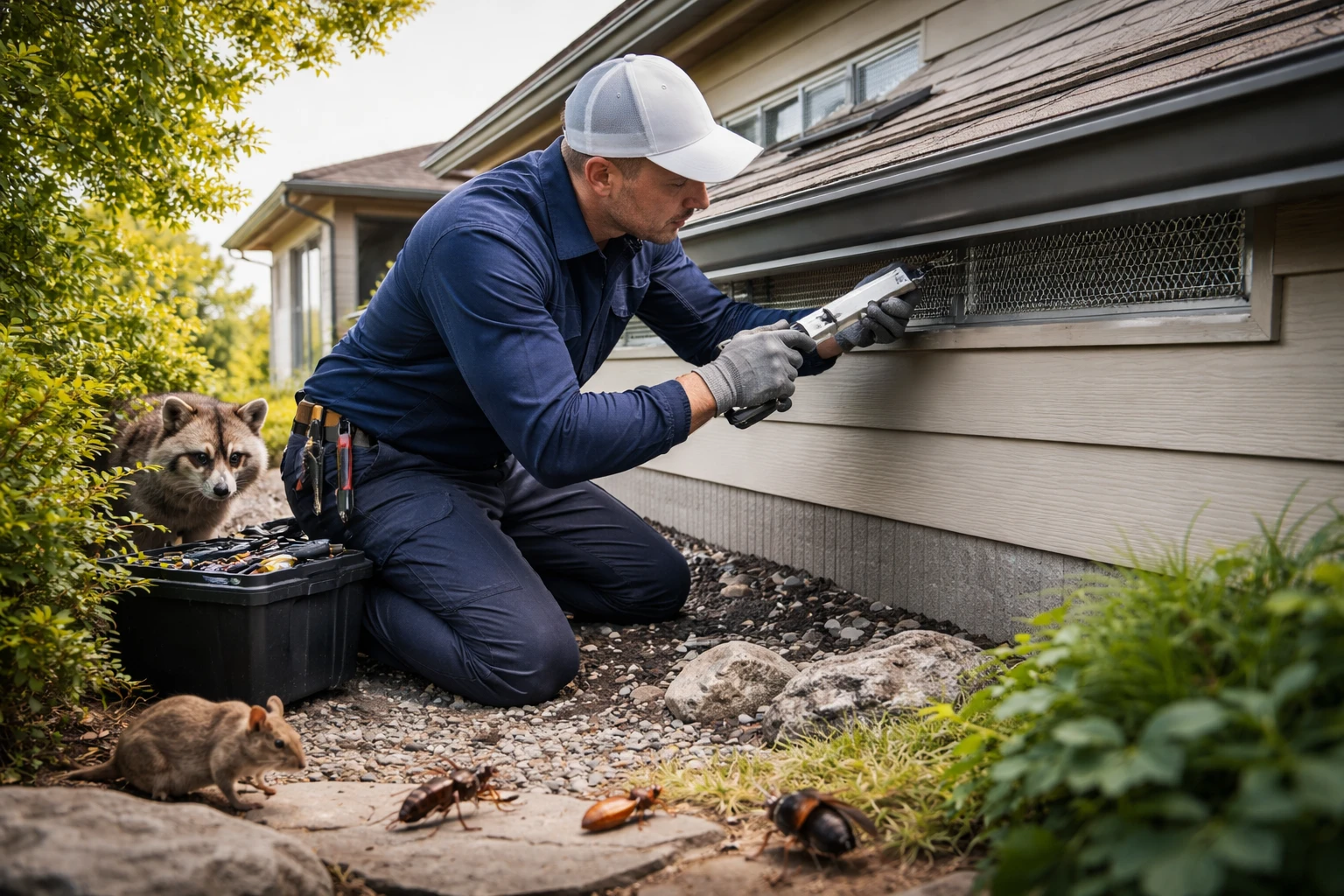
To keep a modern home structurally sound, you need more than just good roofing and strong siding; you also need to keep an eye on the local ecosystem. In 2026, as cities grow and weather patterns change, common pests have changed their behavior. This has made wildlife and insects more determined to get into homes. Many homeowners realize that their home is now a target for unwanted visitors, so they actively look for the best pest control services near me to lower the risk before it gets worse. The modern way of managing property is based on the idea of “exclusion,” which means changing the building’s structure so that the inside stays clean and controlled. By looking at the biological facts of the area, experts can build a custom barrier that protects the natural world while keeping it strictly outside the home.
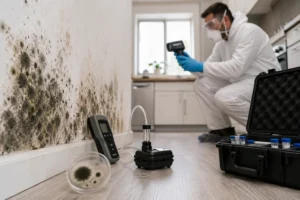
Working with the best pest control services near me gives you access to advanced diagnostic tools that are much better than just looking at things. In 2026, technicians use infrared thermography and acoustic sensors to find colonies or nesting sites that are hidden deep inside wall cavities or under the floor. This technology doesn’t hurt anyone and lets you make targeted changes that don’t require chemicals. Instead, it prefers mechanical repairs and changes to the habitat. The goal is to stop the cycle of infestation by making it less appealing for pests to enter. This can be done by sealing tiny cracks in a foundation or putting heavy-duty, chew-proof guards on roof vents. Also, local knowledge is very helpful for figuring out the exact breeding seasons and migratory patterns of pests in the area, which lets you change your defense plan as the seasons change.
The Move Toward Integrated Pest Management (IPM)
The way people think about pest control has changed since the days of “reactive spray.” Integrated Pest Management (IPM) is the best way to protect both luxury and family homes today.
Biological Monitoring: Using smart traps that send a message to a technician’s smartphone as soon as they detect activity, so that the pest can be removed right away before it can reproduce.
Habitat Modification: Finding things outside that attract scouts, like bad drainage, too much vegetation, or open trash areas, and fixing them to make the property less appealing to scouts.
Structural Fortification: Using materials like stainless steel mesh, special silicone sealants, and reinforced weather stripping to make sure that every possible entry point is a permanent dead end.
Keeping Your Health and Money Safe
Pests aren’t just annoying; they pose a serious risk to the health of the people living there and the value of the property. Rodents are known to chew through electrical wires, which can cause big fires. If left unchecked, wood-boring bugs can damage the load-bearing beams of a house. In addition, the allergens and germs that insects and small mammals carry can make the air inside your home much worse, which can cause breathing problems for people who are sensitive to them.
A home that is well-kept is one that pays for professional prevention. A “clearance certificate” from a trusted provider is often needed for a smooth property transfer in today’s real estate market. This is because it gives buyers peace of mind that the building’s hidden areas are just as healthy as the ones they can see.
The Importance of Seasonal Watchfulness
The pressures on a home change as the year goes on. Insects that like moisture, like carpenter ants, often come out during the “Spring Thaw.” Rodents, on the other hand, move toward the warmth of your furnace room during the “Autumn Chill.” A year-round protection plan makes sure that these seasonal spikes are met with a perimeter that has already been strengthened.
The main goal of modern pest control is to give you peace of mind. You should only let people into your home if you want them to be there. By putting structural exclusion first and using the newest detection technology, you can make sure that your sanctuary stays safe, clean, and completely under your control.
FAQs
Exclusion means physically modifying a property to block pests from entering rather than relying primarily on chemical treatments.
Urban expansion and shifting weather patterns are disrupting natural habitats, pushing wildlife and insects to seek shelter indoors.
They use advanced tools like infrared thermography and acoustic sensors to locate nests and colonies inside walls, floors, and ceilings without invasive damage.
IPM is a proactive strategy that combines monitoring, habitat modification, and structural reinforcement to prevent infestations long-term.
Smart traps detect pest activity and instantly notify technicians, allowing quick intervention before populations grow.
It involves removing outdoor attractants such as standing water, dense vegetation, or unsecured trash that draw pests to your property.
Reinforcing vents, sealing cracks, and installing durable barriers creates permanent entry-point blockages that stop pests before they get inside.
Rodents can chew wiring and increase fire risk, while insects and wildlife may introduce allergens and harmful bacteria into indoor air.
It reassures buyers that the property is free from hidden infestations, protecting both property value and investment security.
Different pests become active during different seasons, so year-round protection ensures your home stays secure as environmental conditions change.