Calabasas artificial grass is becoming the go-to solution for homeowners who want a polished landscape without the constant upkeep of natural lawns.
I remember standing in my backyard one August afternoon, hose in hand, watching water run down the driveway instead of soaking into the soil.
That moment made it clear that traditional grass was costing time, money, and patience without delivering long-term value.
Synthetic turf offered a smarter alternative, especially in communities where water conservation and clean aesthetics matter.
Modern artificial lawns are no longer the stiff, plastic-looking surfaces people imagine from old sports fields.
Today’s turf systems are engineered with realistic blades, natural color variation, and advanced drainage layers.
Homeowners across Southern California are choosing this option because it aligns with busy lifestyles and rising utility costs.
Low-maintenance landscaping is no longer a luxury; it has become a practical necessity for many households exploring solutions like Calabasas artificial grass to reduce upkeep without sacrificing appearance.
The shift toward turf is driven by both environmental awareness and the desire for consistent curb appeal.
A yard that looks freshly maintained every day changes how a home feels and functions.
Why Homeowners Are Moving Away from Natural Lawns
Natural grass demands constant attention, especially in warm, dry climates.
Weekly mowing, seasonal fertilizing, pest control, and irrigation schedules quickly add up.
I once tracked my lawn care routine for a month and realized I spent more time maintaining grass than enjoying my outdoor space.
Water restrictions made things even harder, leaving brown patches that never fully recovered.
Artificial turf eliminates these recurring issues by design.
There is no need for sprinklers, fertilizers, or lawn treatments that introduce chemicals into the soil.
The surface stays green year-round regardless of temperature or rainfall.
For families with pets or children, this consistency makes outdoor spaces more usable.
Clean, mud-free yards mean fewer messes indoors and less stress overall.
The Evolution of Synthetic Turf Technology
Early turf products were flat, shiny, and uncomfortable underfoot.
Modern systems use multi-blade fibers that mimic the look and feel of natural grass.
The backing layers are designed to improve drainage and prevent odors.
I noticed the difference immediately when walking barefoot across a newly installed lawn for the first time.
The surface felt cool, cushioned, and surprisingly natural.
Advanced infill materials help blades stand upright while reducing heat absorption.
These improvements make artificial lawns suitable for residential yards, patios, and play areas.
The technology continues to evolve with a focus on durability and environmental performance.
Homeowners now expect turf to last well over a decade with minimal maintenance.
Designing Outdoor Spaces with Synthetic Grass
Artificial turf opens up new possibilities for landscape design.
Sloped yards that were once difficult to mow become visually clean and functional.
Small side yards transform into usable spaces instead of neglected strips of dirt.
I worked with a neighbor who replaced a patchy lawn with turf and added a seating area that quickly became the most used part of the home.
Consistent texture and color allow hardscape features to stand out more clearly.
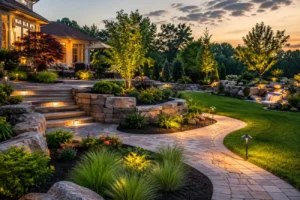
Stone walkways, planters, and outdoor furniture look sharper against a uniform green surface.
Turf can be cut and shaped to fit custom layouts without compromising appearance.
This flexibility makes it ideal for both modern and traditional home styles.
Outdoor spaces feel intentional rather than constantly in progress.
Maintenance Expectations After Installation
One of the biggest advantages of synthetic grass is predictable upkeep.
There is no mowing schedule or seasonal lawn care calendar to manage.
Occasional brushing keeps fibers upright in high-traffic areas.
A quick rinse removes dust or debris after heavy use.
I found that spending ten minutes every few weeks was enough to keep the yard looking new.
Pet owners appreciate how easy cleanup becomes compared to natural lawns.
Proper drainage prevents standing water and lingering smells.
Unlike real grass, there are no bare spots to reseed or repair.
Maintenance becomes simple, consistent, and stress-free.
Environmental and Lifestyle Benefits
Water conservation is a major reason homeowners choose synthetic turf.
Reducing irrigation significantly lowers monthly utility bills.
Eliminating fertilizers and pesticides improves soil health and local ecosystems.
I noticed fewer insects and a cleaner runoff pattern after switching from natural grass.
Artificial lawns also reduce noise pollution by removing lawn equipment from weekly routines.
Quiet mornings replace the sound of mowers and trimmers.
For busy households, this change supports a more relaxed lifestyle.
Outdoor spaces become places for rest instead of ongoing projects.
The environmental impact is both immediate and long-term.
Addressing Common Concerns About Artificial Grass
Some homeowners worry about heat retention during warmer months.
Modern turf products are designed with cooling technology and breathable backing.
Strategic shading and proper infill selection further reduce surface temperature.
Others question durability under heavy foot traffic.
High-quality turf is engineered to handle daily use without flattening or fading.
I have seen installations maintain their appearance even after years of regular activity.
Another concern involves resale value.
Well-installed turf often enhances curb appeal by presenting a consistently maintained exterior.
Buyers increasingly view low-maintenance landscaping as a benefit rather than a drawback.
From Valencia to Upscale Neighborhood Landscapes
The popularity of fake grass Valencia projects helped set the standard for modern turf installations.
Design trends that started in one area quickly spread to surrounding communities.
Homeowners now expect realistic texture and seamless integration with existing landscapes.
I have watched this transition firsthand as more neighborhoods adopted synthetic lawns.
What began as a practical choice evolved into a design-forward solution.
Consistent results built trust in turf as a long-term investment.
This momentum continues as materials and installation methods improve.
The focus has shifted from replacement to enhancement.
Artificial grass is no longer just an alternative; it is often the preferred option.
Making the Switch to a Smarter Lawn Solution
Choosing synthetic turf is about more than aesthetics.
It reflects a desire for efficiency, sustainability, and peace of mind.
Homeowners who make the switch often say they wish they had done it sooner.
I felt the same relief after realizing my weekends were finally free from yard work.
Outdoor spaces became places to gather instead of areas to maintain.
Artificial lawns support modern living without sacrificing visual appeal.
They provide consistent beauty with minimal effort.
For low-maintenance homes, turf represents a practical evolution in landscaping.
The result is a cleaner, greener space that works with your lifestyle rather than against it.