DIY Home Projects are no longer just weekend distractions or budget backups. They’ve become a practical way to take control of your space, your spending, and your time. I’ve found that when homeowners and renters stop seeing DIY as “extra work” and start seeing it as strategic home ownership, everything changes. You don’t need a garage full of tools or years of experience. You need clarity, planning, and the willingness to start small—and start smart.
This guide breaks down DIY Home Projects in a way that’s useful, realistic, and grounded in everyday homes. Not theory. Not fluff. Just practical ways to improve your space without overcomplicating the process.
Why DIY Home Projects Are Worth Your Time
DIY Home Projects deliver value in multiple directions at once. Money saved is the obvious benefit, but it’s far from the only one. If you’re planning anything beyond the basics, an estimating firm can help you price materials and labor up front so your “DIY savings” don’t disappear through overspending.
When you handle small projects yourself, you reduce delays. You stop waiting days for a service call to fix something you could solve in an hour. You also gain a better understanding of how your home works. That knowledge compounds.
There’s another benefit people don’t talk about enough—control. You decide the pace. You decide the finish. And you decide when the project is done.
Over time, DIY Home Projects turn your house into a system you understand, not a mystery you react to.
Choosing DIY Home Projects That Match Your Skill Level
One of the fastest ways to burn out is choosing the wrong project too early. Not every upgrade needs to be ambitious to be meaningful.
Beginner-Friendly DIY Home Projects
These build confidence fast:
- Painting walls or trim
- Replacing cabinet hardware
- Installing shelves
- Fixing loose hinges or handles
- Re-caulking bathrooms or kitchens
They’re forgiving. Mistakes are easy to fix. Results are immediate.
Intermediate Projects
Once you’ve built momentum:
- Installing light fixtures
- Adding backsplashes
- Upgrading faucets
- Building basic storage units
- Replacing interior doors
These require planning and patience, but the payoff is noticeable.
Advanced Projects (Proceed Carefully)
- Flooring installation
- Tile work
- Drywall repair
- Structural modifications
These can still be DIY Home Projects, but only with preparation and realistic expectations. There’s no shame in stopping halfway and calling a pro if needed.
Essential Tools That Make DIY Home Projects Easier
You don’t need everything at once. Start with tools that serve multiple purposes.
Core Tools Every DIYer Should Own
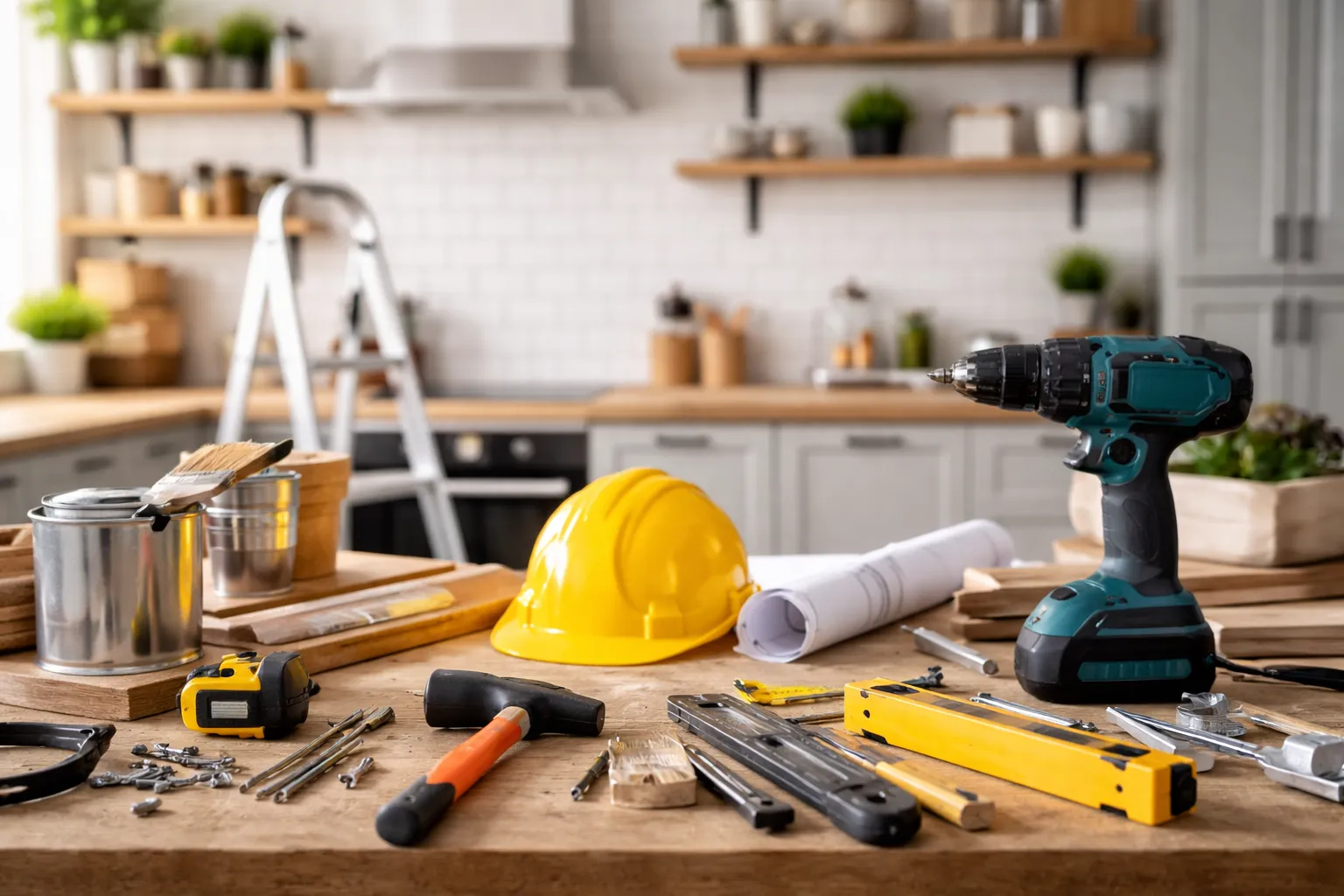
| Tool | Why It Matters |
| Tape measure | Accuracy prevents wasted materials |
| Level | Crooked installs ruin good work |
| Screwdriver set | More versatile than drills alone |
| Drill/driver | Saves time and effort |
| Utility knife | Clean cuts, countless uses |
| Safety glasses | Non-negotiable |
Add tools as projects demand them. Buying for a specific need keeps costs under control.
High-Impact DIY Home Projects With Immediate Results
Some projects deliver visible improvements fast. These are morale boosters.
Paint That Changes Everything
Fresh paint is still one of the highest-impact DIY Home Projects available. Choose neutral tones for resale. Use bold colors sparingly for personality.
Pro tip: Spend more time on prep than painting. Clean walls. Patch holes. Tape carefully. The finish will show it.
Lighting That Transforms Space
Swap outdated fixtures for modern, efficient ones. Add under-cabinet lighting in kitchens. Replace harsh bulbs with warmer tones.
Lighting changes how a room feels, not just how it looks.
Storage Where You Need It
Floating shelves. Closet organizers. Garage wall systems. These projects reduce clutter and increase usable space without expanding square footage.
DIY Home Projects That Improve Comfort and Efficiency
Some upgrades don’t look exciting—but they pay you back every day.
Seal the Drafts
Caulking windows and doors is inexpensive and effective. It improves comfort and lowers energy bills.
Upgrade Fixtures
Low-flow showerheads and faucets reduce water usage without sacrificing pressure. Installation is usually straightforward.
Smart Home Basics
Thermostats, smart plugs, and lighting controls are beginner-friendly DIY Home Projects with long-term benefits. Start simple. Learn the system. Expand later.
Budgeting and Planning DIY Home Projects
This is where many projects fail—not because of skill, but because of planning.
Smart Budgeting Guidelines
- Add a 15–20% buffer for materials
- Don’t buy everything at once
- Avoid the cheapest option if durability matters
Planning That Saves Money
Break large projects into phases. Complete one section fully before moving on. This reduces mistakes and prevents half-finished spaces from lingering.
A simple checklist before starting helps:
- Measurements confirmed
- Tools available
- Materials purchased
- Timeline realistic
Common DIY Home Projects Mistakes (And How to Avoid Them)
Mistakes happen. The goal is to keep them small.
The Biggest Pitfalls
- Rushing prep work
- Skipping safety steps
- Underestimating time
- Ignoring manufacturer instructions
One overlooked detail can undo hours of work. Slow down early to move faster later.
DIY Home Projects for Renters and Small Spaces
DIY isn’t just for homeowners. Renters can still make meaningful improvements.
Renter-Friendly Ideas
- Peel-and-stick backsplash
- Removable wallpaper
- Tension rod shelving
- Plug-in lighting upgrades
- Furniture-based storage solutions
Always prioritize reversibility. Document changes. Restore the unit before move-out.
In small spaces, DIY Home Projects should focus on function first. Storage beats decoration every time.
Knowing When DIY Stops Making Sense
There’s confidence—and then there’s stubbornness.
Some projects demand licensed professionals:
- Electrical panel work
- Major plumbing changes
- Structural modifications
The smartest DIYers know when to stop. Sometimes the best DIY decision is hiring the right help and learning from the process.
Building Skills Through Consistent DIY Home Projects
DIY Home Projects work best as a habit, not a one-off effort.
Each completed task builds knowledge. Each mistake teaches something valuable. Over time, your comfort zone expands naturally.
I’ve seen people go from nervous first-time painters to confident home managers simply by staying consistent. Small wins add up.
Final Thoughts: DIY Home Projects as a Long-Term Strategy
DIY Home Projects aren’t about perfection. They’re about progress.
Every shelf installed, every wall painted, every fixture replaced makes your space more functional and more yours. You save money. You gain skills. And you build confidence.
Start small. Plan carefully. Learn as you go.
Your home doesn’t need to be perfect. It just needs to keep getting better—one smart DIY Home Project at a time!