Introduction to Technology in Sustainable and Chemical-Free Farming
Farming decisions today are rarely simple. Input costs are rising, weather patterns are less predictable, and many farmers are under pressure to reduce chemical use without risking yield. This is where sustainable farming and chemical-free farming enter the conversation not as a trend, but as a practical response to real challenges on the ground.
Technology in sustainable farming is increasingly shaping how these decisions are made. Instead of relying only on visual inspections or routine spraying schedules, farmers are beginning to use data and field-level insights to guide action. In sustainable farming, this shift matters. It allows chemical use to be reduced where it isn’t needed, rather than being eliminated blindly.
Interest in organic farming and eco-friendly farming technology has added another layer to this change. For some farms, organic practices are a market opportunity. For others, they are a long-term soil and land management strategy. Either way, organic farming technology is making chemical-free farming approaches more manageable than they were even a decade ago. On many farms, the push for natural farming methods goes beyond crop output. Farmers are seeing that environment-friendly agriculture practices like maintaining soil biodiversity and protecting water are critical for long-term productivity. By embracing sustainable farming technology, farms can grow crops efficiently while caring for the land, which is something every farmer notices when seasons are tough.
The Growing Need for Sustainable and Chemical-Free Farming
A lot of farms still rely on chemicals. But over time, that can cause real problems. The environmental risks of chemical-heavy agricultural practice show up fast. Soil gets tired, water can carry chemicals downstream, and insects and other wildlife often disappear. Sometimes fixing these problems means using even more chemicals an endless cycle. Soil health, water, and biodiversity take the hardest hit. Soil loses nutrients. Rivers and streams carry pesticides. Bees and other pollinators can vanish. It makes farming harder, and yields are less predictable.
This is where natural farming methods shine. Farmers applying these techniques alongside organic farming technology often see healthier soil and stronger harvests. At the same time, people want cleaner food. The rising consumer demand for organic and chemical-free farming is real. More shoppers look for produce grown with natural farming methods. For farms, this can mean better markets and stronger trust from buyers. Using eco-friendly farming technology in marketing and traceability helps communicate these practices to customers, which makes the farm more profitable.
Sustainability also matters for long-term food security. Farms using sustainable farming practices can keep soil healthy and water cleaner, which helps with steady harvests. Switching to eco-friendly farming technology can also save money on inputs. Chemical-free farming isn’t easy, but it often pays off for the land, the crops, and the farm’s future. This is exactly what environment-friendly agriculture is about: producing food responsibly while protecting resources.
Role of Technology in Sustainable Farming
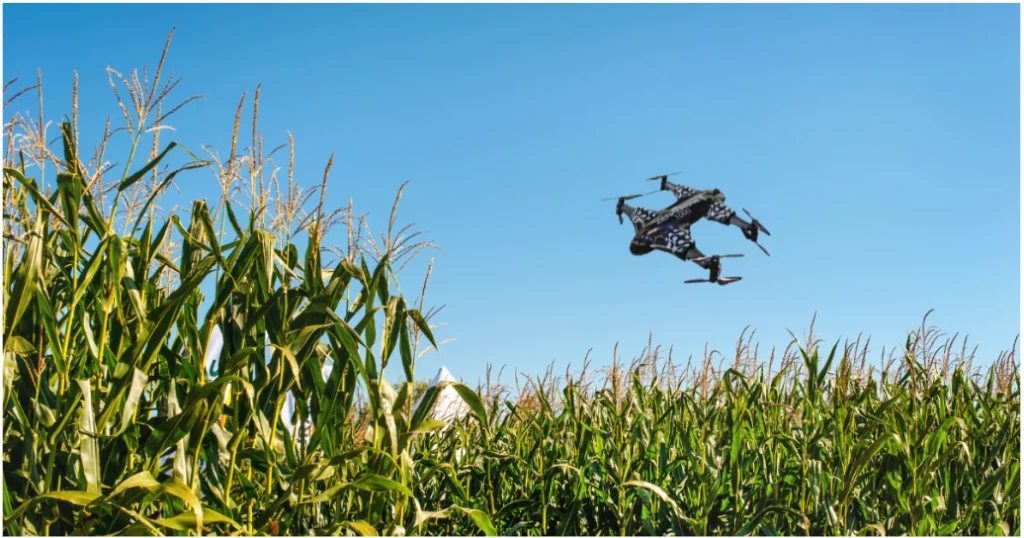
When we talk about technology in sustainable farming, we aren’t just talking about machines. We mean the tools that help farmers see and respond to what’s happening in their fields. Drones, sensors, and simple software can tell you which areas need attention. That way, chemical-free farming can really work. Only the spots that need it get treated.
Automation and data also help farms use resources smartly. Water goes only where it’s needed. Fertilizer isn’t wasted. The soil and local water stay cleaner. And crops can still grow well. Productivity doesn’t have to drop just because we farm gently. This kind of eco-friendly farming technology pushes innovation forward. Farmers trying drones or new monitoring systems figure out what works in real conditions. Slowly, these tools become everyday helpers, making sustainable farming smarter and cleaner. Many farms also notice that combining organic farming technology with natural farming methods makes chemical-free approaches easier to maintain.
Precision Agriculture for Smarter and Cleaner Farming
Precision agriculture is about taking action where it matters most. Not the whole field, just the part that needs it. Farmers use data to decide what to do and when. That’s how sustainable farming and chemical-free farming work in real life. Data from sensors or drones can cut waste and save money. Fertilizer, pesticides, and water go only where they are needed. It’s not perfect, but it’s better than spraying everything blindly. Healthy crops, less cost, less stress.
Targeted action also makes farms more profitable. Over time, as more farms use these methods, eco-friendly farming technology spreads. Farmers get the benefits, the land stays healthier, and the work becomes more manageable. Combining this with organic farming technology allows natural farming methods to scale in a way that feels practical, not overwhelming.
Farm and Crop Monitoring Technologies
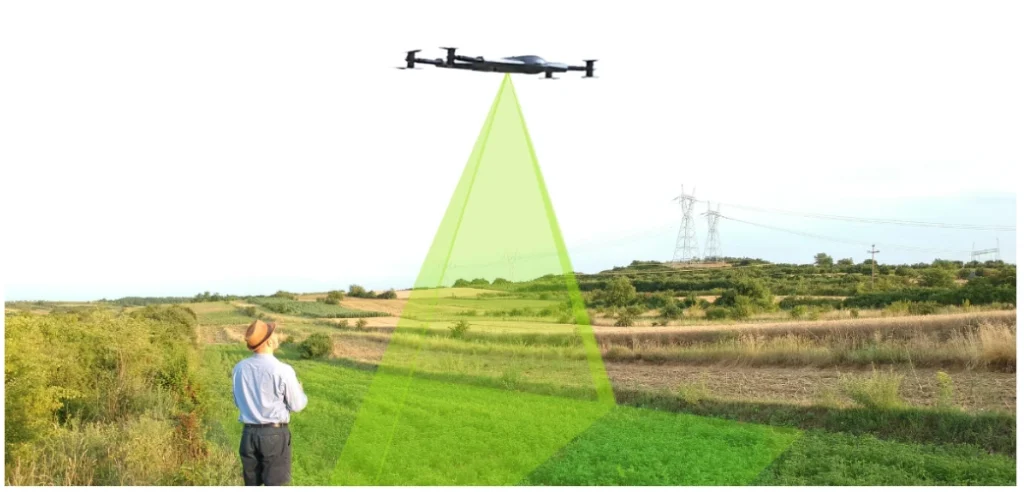
Farms today are getting smarter with new tools. IoT-based farm monitoring lets farmers see what’s happening in the field in real time. Soil moisture, temperature, and humidity can all be tracked without walking every row. That helps with sustainable farming, because water and other inputs go only where they’re needed. Crop monitoring systems are a big help, too. They can spot pests and diseases early, sometimes before the farmer even notices. That’s real chemical-free farming, because treatments are targeted instead of sprayed everywhere. Remote sensing lets farmers check crop health and growth from above, giving a clear picture of which areas are doing well and which need attention.
The weather is another factor. Monitoring tools warn farmers about rain, frost, or wind, helping them decide when to plant, irrigate, or harvest. Early detection like this can cut unnecessary chemical use and save both time and money. Using eco-friendly farming technology for monitoring supports natural farming methods as well, by ensuring interventions are precise and timely. All this data can be analyzed season by season. Farmers can spot patterns, plan interventions, and make better choices as conditions change. Using organic farming technology alongside monitoring makes sustainable farming more practical and manageable.
Use of Drones in Sustainable and Chemical-Free Farming
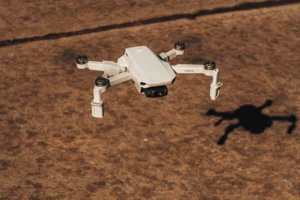
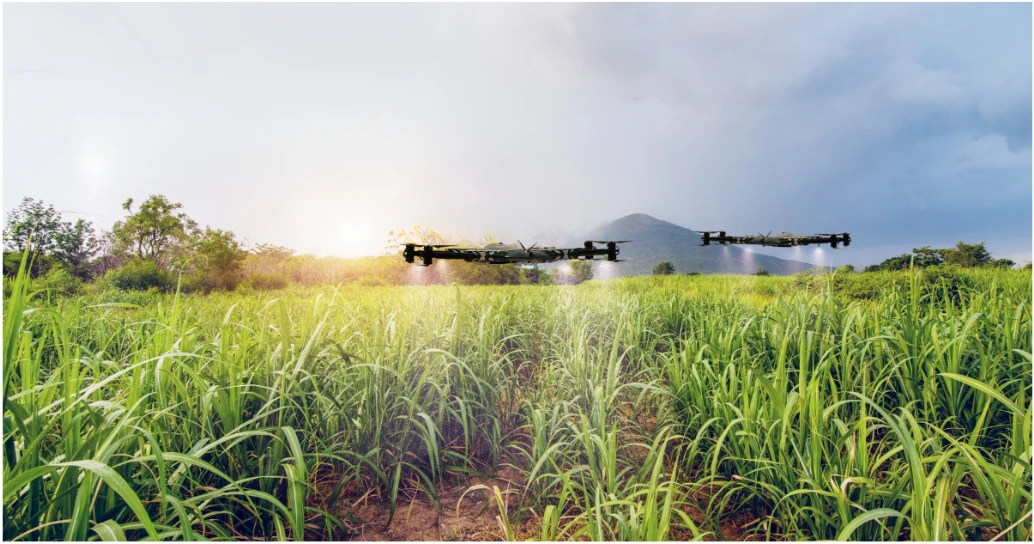
Drones are making life on farms easier. They let farmers check big fields quickly, and high-resolution images help with precision agriculture and mapping. You can see stress spots, pest outbreaks, or nutrient gaps before they become bigger problems. Targeted drone spraying cuts chemical use. Only the areas that need attention get treated. That’s chemical-free farming in action. It also protects soil and water from unnecessary exposure, which supports environmentally friendly agriculture.
Drones in farming save labor, too. They give real-time data for faster decisions and help farms run more smoothly. Using drones supports eco-friendly farming technology and helps farmers manage their land without overworking themselves, all while keeping crops healthy and yields steady.
Organic Farming Technology and Natural Farming Methods
Organic farms have their own challenges. Digital tools now help plan crops, track inputs, and stay compliant with rules. Organic farming technology makes it easier to manage planting schedules, harvest tracking, and overall farm efficiency. Smart innovations support natural farming methods, like checking soil health, optimizing irrigation, or managing organic inputs. Tech-driven composting keeps nutrients flowing back into the soil, reducing the need for synthetic inputs and encouraging chemical-free farming.
Traceability matters more than ever in organic agriculture. Technology lets farmers record every step, from soil prep to harvest. Customers like seeing it, and farmers learn what works best on their land. Using these tools makes running an environmentally responsible, profitable, and well-documented farm much easier. It also demonstrates environmentally friendly agriculture practices to buyers and regulators.
Smart Irrigation and Resource-Efficient Farming
Water is always tight on farms. In many fields, we don’t know exactly how much the soil needs, and watering too much or too little can hurt crops. Automated irrigation systems help with that. They turn on only where the soil is dry. Soil moisture sensors can tell you when plants need a drink, and sometimes it’s surprising how uneven the moisture is. This is especially useful in dry regions. If you get it right, it can save a season.
When water is precise, crops do better. They grow evenly and stronger. Farmers notice the difference when comparing fields watered manually versus with sensors. Smart systems save money too—less labor, less wasted electricity, less water. Over time, fields stay healthier. Soil holds together better, and water doesn’t run off as much. Sustainable farming isn’t just a phrase it actually works when every drop counts. Combining this with natural farming methods makes irrigation even more effective.
Soil Health and Pest Management Using Technology
Soil is alive. Keeping it healthy is hard work. Soil sensors are a big help. They tell us when nutrients are low or off balance. That way, fertilizers go only where they’re needed. Too much, and you waste money; too little, and plants suffer. Pests are a constant headache. AI-powered detection can catch them early, sometimes before the farmer even sees the damage. Using these tools alongside integrated pest management means fewer chemicals, which is what we mean by chemical-free farming.
Tech also helps with natural pest controls. You can release beneficial insects or use organic sprays in a targeted way. Fields with good soil monitoring and early pest detection tend to stay healthier. Crops are stronger, and biodiversity survives. Farmers often say these practices make the farm feel more in balance even if it’s not perfect every year. Combining organic farming technology with eco-friendly farming technology amplifies these benefits.
Benefits and Challenges of Technology in Sustainable Farming
New tools bring real advantages. Crops can grow better with less waste. Water, fertilizer, and chemicals get used more efficiently. Advanced crop monitoring lets farmers see problems early, so quality improves. Eco-friendly farming technology makes decisions faster, and fields feel more manageable. But there are trade-offs. Machines and software cost money upfront. Learning how to use them takes time. Small farms sometimes struggle to get the full benefits. Not every system fits every farm, and it can be frustrating at first.
Even with challenges, many farmers stick with it. Smarter irrigation, better soil tracking, and targeted pest control pay off over time. Crops are stronger. Fields recover faster from stress. The farm becomes more resilient. Using sustainable farming, chemical-free farming, and environmentally friendly agriculture together is what makes a modern farm last.

Conclusion
Technology is kind of taking over how farms run these days. On a lot of farms, drones, crop monitors, and precision tools are helping farmers see what’s really going on. You can catch a problem early and fix just that spot. No spraying everything blindly. Saves chemicals, keeps soil healthy, and water cleaner. That’s chemical-free farming at work. Eco-friendly farming technology helps yields, too. Crops stay stronger. Fields don’t get tired as fast. Organic farming technology is making natural farming methods less of a headache and easier to scale. Not perfect, mind you. Some seasons are tricky. But it makes work easier and more predictable.
Water and energy matter too. Smart irrigation, soil sensors, careful use of inputs they save water, electricity, and keep soil in shape. Farms last longer this way. Every drop, every little thing counts. Keeps the farm resilient. This is what environmentally friendly agriculture really means on the ground. Wanting your farm to stay productive and last long, sustainable farming technology isn’t optional. It helps reduce chemicals, improve yield, and protect the land. Drones, monitoring systems, smart irrigation they all make a difference. Check out what Drone as a Service (Daas) can do. See for yourself. Make your farm stronger, healthier, and ready for the future.
FAQs
Sustainable farming technology includes tools like sensors, drones, and smart irrigation systems that help farmers reduce waste and protect natural resources while maintaining crop yields.
It allows farmers to monitor fields closely and apply treatments only where needed, reducing or even eliminating unnecessary chemical use.
Yes, by targeting water, fertilizer, and pest control to specific areas, farmers reduce waste and cut overall input expenses.
Drones can benefit small farms by quickly identifying crop stress or pest issues, though cost and scale should be considered.
Soil sensors track moisture and nutrient levels, helping farmers apply inputs accurately and prevent soil degradation.
AI-powered systems detect pests and diseases early, allowing targeted treatment that supports chemical-free farming goals.
Smart irrigation saves water, energy, and labor over time, often offsetting initial setup costs.
Digital tools assist with crop planning, traceability, compliance, and efficient resource management.
Yes, it minimizes runoff, protects biodiversity, and conserves water and soil resources.
High upfront costs, learning curves, and system compatibility can be barriers, especially for smaller operations.