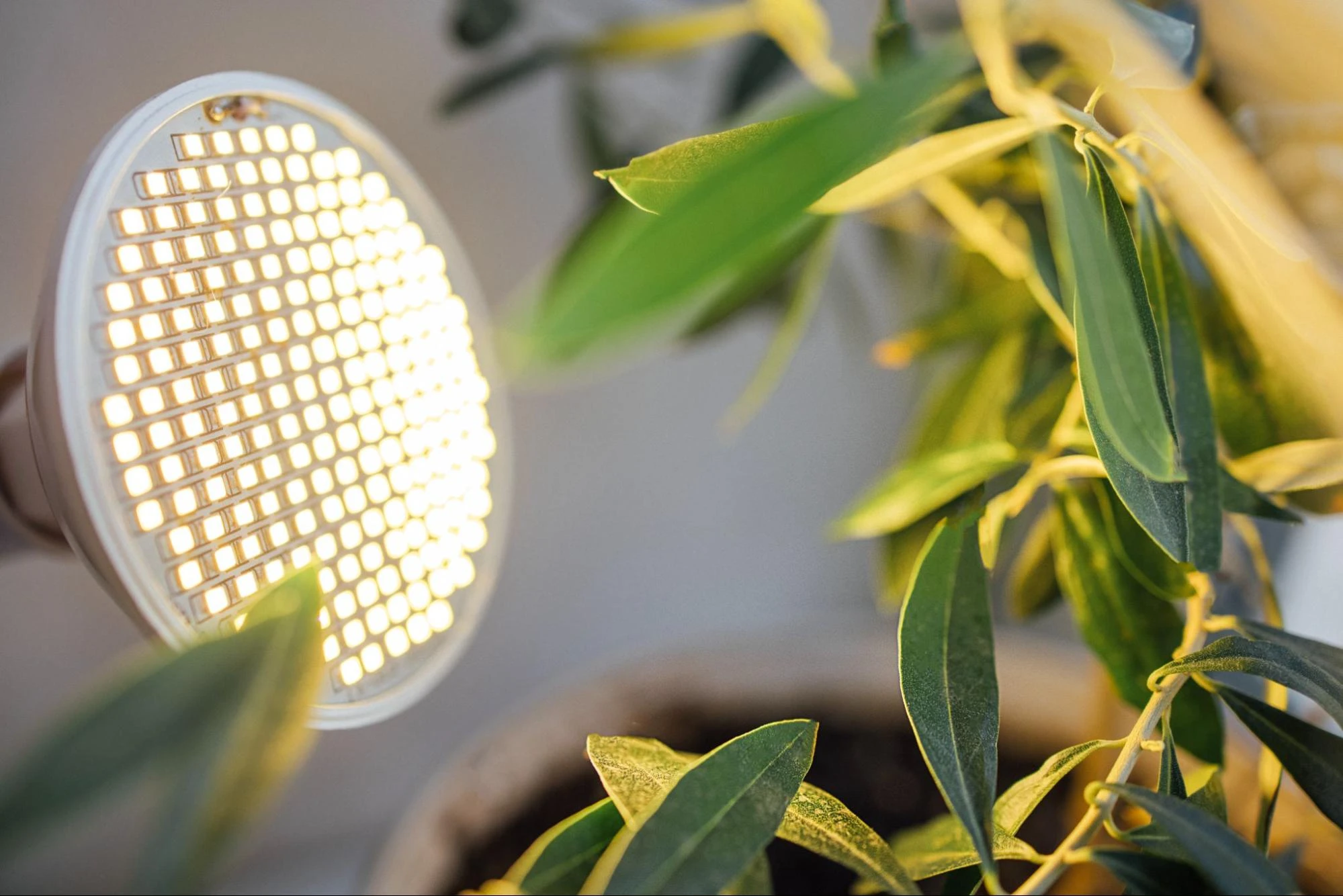
If you’re setting up an indoor grow, choosing the right light can feel more confusing than it should be. You’ll usually end up comparing three options: LED, fluorescent, and HPS. On paper, they all “grow plants.” In practice, they behave very differently.
Instead of overcomplicating things, let’s break it down in a way that actually helps you decide.
What’s the Real Difference?
At a basic level, all three lights do the same job—provide energy for photosynthesis. The difference is how efficiently and effectively they do it.
- LED grow lights are the modern option. They’re designed to deliver a full spectrum of light while using less energy.
- Fluorescent lights are older tech. They’re simple, affordable, and still useful in specific situations.
- HPS (high-pressure sodium) lights are powerful and intense, but also hot and energy-hungry.
That’s the big picture. Now let’s get into what actually matters when you’re growing.
Energy Use
Electricity is one of the highest hidden costs in indoor growing. LEDs are the most efficient by a clear margin. They convert more power into usable light instead of heat. That means lower electricity bills and less need for cooling.
Fluorescent lights are okay, but not great. They’re cheaper upfront, but they’re not designed for efficiency.
HPS lights are the least efficient. They draw a lot of power and give off a lot of heat, which means you’re often paying twice—once for the light, and again to cool the space.
Light Output
HPS lights are known for their intensity. They can push strong flowering and high yields, which is why they’ve been popular for years, but they don’t offer a balanced light spectrum. Many growers used to combine different bulbs to cover all growth stages.
LED grow lights have largely solved this. A good LED can provide a full spectrum, meaning you can use the same light from seedling to harvest. You’re getting both intensity and versatility.
Fluorescent lights are much weaker in comparison. They’re fine for seedlings, clones, or low-light plants, but they won’t carry a full grow cycle effectively.
Heat Management
LEDs run the coolest of the three. They still produce some heat, but nowhere near the level of HPS. That makes them much easier to work with, especially if you don’t want to deal with complicated cooling setups.
Fluorescent lights are cooler than HPS lights, which makes them easier to manage, especially in tight spaces.
HPS lights run hot. In a small space, they can quickly raise temperatures to the point where you’ll need fans, ventilation, or even air conditioning.
Lifespan and Maintenance
LED grow lights last a long time, often tens of thousands of hours. You can run them for years without worrying about replacement.
Fluorescent bulbs wear out faster and gradually lose performance.
HPS bulbs also degrade over time, and if you want consistent results, you’ll need to replace them regularly. That adds to the long-term cost and effort.
Cost
If you’re only looking at the price tag, fluorescent lights seem like the easiest choice. They’re cheap and accessible.
HPS sits somewhere in the middle, but the ongoing costs (electricity, cooling, bulb replacement) stack up quickly.
LED grow lights are usually the most expensive upfront. But over time, they often end up being the cheapest option because they use less power, last longer, and require less maintenance.
Ease of Use
If you want something simple, LEDs win again. Most LED grow lights are plug-and-play. You hang them, turn them on, and adjust the height as your plants grow.
Fluorescent lights are also straightforward, which is why they’re popular for beginners.
HPS systems are more involved. You’ll need a ballast, proper ventilation, and a bit more setup overall. It’s not impossible—but it’s definitely less beginner-friendly.
So, Which One Should You Choose
If you’re looking for a reliable, efficient, all-in-one solution, LED grow lights are the most practical choice for most setups today. They’re versatile, easy to manage, and suitable for every stage of plant growth. If you’re planning to buy, seasonal promotions like 420 sales can help reduce the upfront cost.
Fluorescent lights make sense if you’re only growing seedlings, propagating plants, or working with a very small, low-budget setup. They’re simple and affordable, but not ideal for full-cycle growing.
HPS lights are worth considering if your priority is maximizing yield in a larger grow space—and you’re prepared to handle the extra heat and higher operating costs that come with them.
Final Thought
HPS lights once dominated indoor growing, and fluorescent lights still serve specific purposes. However, the landscape has shifted.
LED grow lights have not only caught up but, in many cases, moved ahead. They offer better efficiency, easier control, and the flexibility to support plants from start to finish, making them the go-to option for most growers today.
FAQs
The main difference lies in efficiency, heat output, and light spectrum, which all affect plant growth and operating costs.
Yes, LED grow lights are typically easier to use because they are plug-and-play and require minimal setup.
LED grow lights are the most energy-efficient, converting more electricity into usable light rather than heat.
They can, but they are not ideal for full-cycle growth due to their lower light intensity.
HPS lights generate a lot of heat because they are less efficient and convert more energy into heat instead of light.
LED grow lights can last tens of thousands of hours, significantly longer than fluorescent and HPS bulbs.
They can be useful for large-scale grows focused on high yields, but they come with higher energy and cooling costs.
Fluorescent lights are usually the cheapest option initially, making them popular for small or budget setups.
In most cases, no—LEDs produce less heat, reducing or eliminating the need for complex cooling systems.
LED or fluorescent lights are best for small spaces because they produce less heat and are easier to manage.