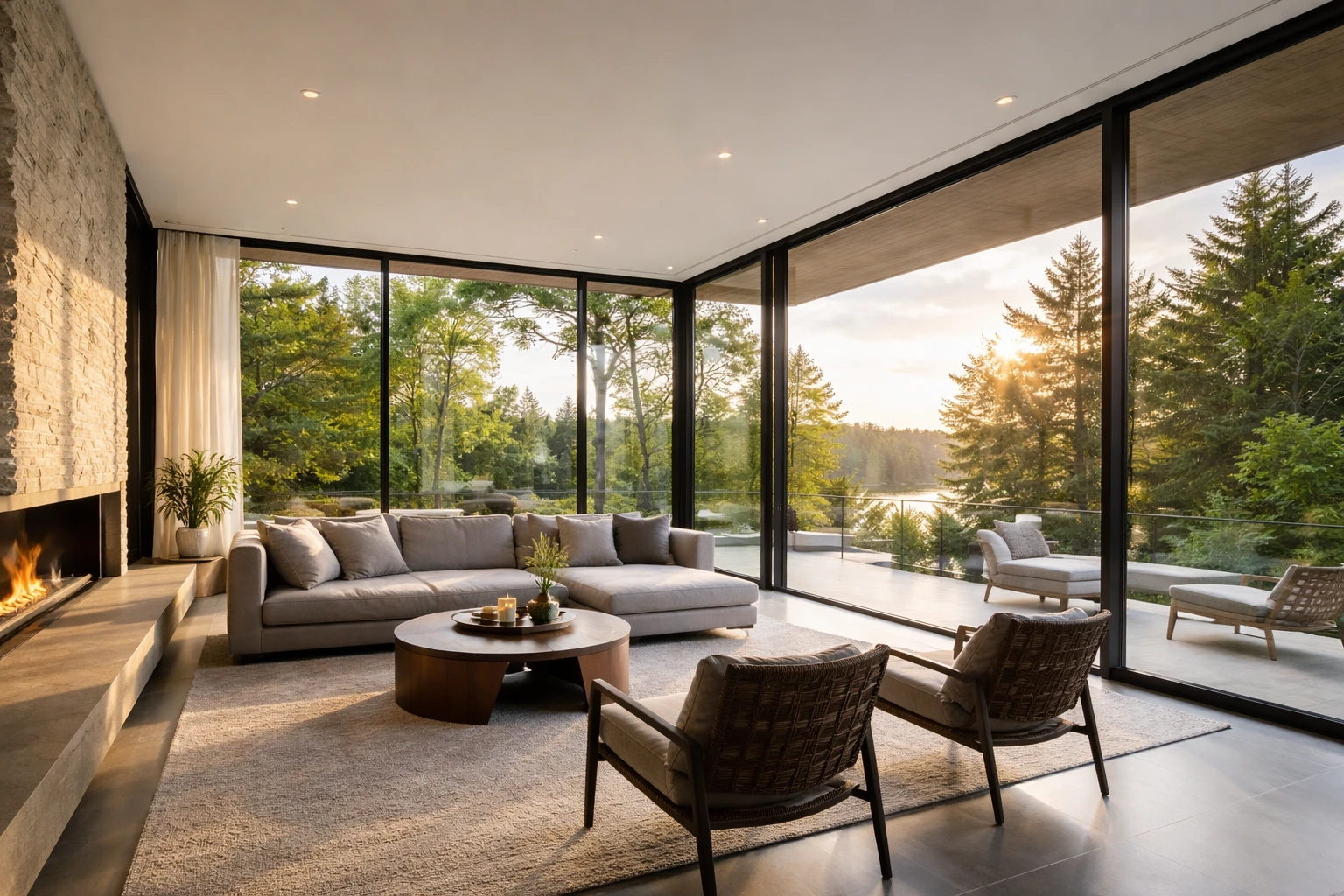
The philosophy of modern home design has changed a lot to focus on openness and blending in with nature. In 2026, the lines between indoor sanctuaries and the outside world are becoming less clear. This is because people want big views and lots of natural light. For the picky homeowner, the choice of windows is no longer a small detail; it’s a key part of the design that sets the pace for the whole house. Finding your way around the huge market of glazing choices requires a partner who knows both the style needs of modernism and the harsh realities of our northern climate. The first step in making sure that these massive glass installations function as beautifully as they look is to find a reputable company selling windows and doors to Ottawa residents. Homeowners can get the “glass wall” look without sacrificing the thermal stability of their homes by putting precision engineering first.
In addition to the initial visual impact, a specialized company selling windows and doors to Ottawa residents has the technical know-how to work with the high-performance materials needed to meet building standards in 2026. The trend toward “floor-to-ceiling” windows and doors needs frames that are very strong to hold the weight of triple-pane, gas-filled units. The quality of the installation is what makes it last for a long time, no matter if the design calls for sleek, thermally broken aluminum for an industrial loft or warm, metal-clad wood for a modern farmhouse. The “total opening” solution is what professional companies focus on. It includes built-in drainage systems, air-tight membranes, and special hardware that lets you open even the heaviest sliding doors with just one finger. This level of craftsmanship keeps the home safe from the worst of the local weather, so you can enjoy the beauty of a winter landscape from the comfort of a room that is perfectly insulated.
How Natural Light Affects Your Health
More and more, modern home design focuses on “biophilic” elements, which are things that connect people to nature. Windows are the main way to make this connection.
Circadian Rhythm Support: The strategic placement of windows lets in “daylight,” which helps keep the body’s internal clock in sync, which makes sleep better and daytime work more productive.
Visual Expansion: Large windows can make a small floor plan feel much bigger by letting you see the garden or the neighborhood around it.
Passive Solar Gain: High-clarity glass lets the sun’s energy naturally warm the inside of the house during the colder months, which means less need for mechanical heating systems.
Entryway Design Trends
The front door has become a strong statement of architectural intent. We are seeing a shift toward oversized “pivot” doors that turn on a central axis instead of using regular hinges. These doors let you open them wider and make the entrance more dramatic. Textured carbon fiber, etched glass, and sustainably sourced hardwoods are some of the materials being used to make tactile, high-contrast entries that set the mood for the rest of the house.
Acoustic Engineering for Urban Sanctuaries
The “acoustic envelope” of a home has become a luxury feature as cities get more crowded. Laminated glass layers of different thicknesses are now used in high-performance windows to block out different sound frequencies. This technology makes a home near a busy street or transit corridor into a quiet place to relax. The house becomes a fortress against the weather and the noise of the city when you add multi-point locking doors with compression seals.
Designing for sustainability
In the real estate market today, being environmentally friendly is no longer a choice. Homeowners want “Low-E” coatings that are made to fit the way their house faces. These coatings reflect heat in the summer and trap it in the winter. The environmentally conscious builder also makes sure to use recycled aluminum and wood frames that were harvested in a way that doesn’t harm the environment. These choices not only lower the home’s carbon footprint, but they also make sure that the materials used will last for generations instead of being replaced every ten years.
Making the Vision Final
Making a house into a custom home is a process that takes time and attention to detail. Every choice you make, from the hardware on a terrace door to the color of a clerestory window, affects the overall mood. You are protecting the future of your property by buying high-quality windows and having them installed by professionals. A home that lets in a lot of light, keeps out the cold, and keeps out noise is a home that really supports the modern way of life.
FAQs
Windows shape how light enters a space, influence energy performance, and visually connect interiors to nature, making them foundational to modern architectural design.
These large glass installations need reinforced frames and precision engineering to safely support heavy triple-pane, gas-filled units.
Exposure to daylight helps regulate circadian rhythms, which can improve sleep quality, mood stability, and daytime productivity.
Passive solar gain allows sunlight to naturally warm a home during colder months, reducing reliance on mechanical heating systems.
Proper installation ensures airtight seals, effective drainage, and long-term durability against harsh weather conditions.
Pivot doors rotate on a central axis instead of side hinges, creating a wider, more dramatic entryway with a sleek modern aesthetic.
Laminated glass layers of varying thicknesses block different sound frequencies, helping reduce outside noise in urban environments.
Low-E coatings reflect heat in summer and retain warmth in winter, improving energy efficiency and lowering a home’s carbon footprint.
When designed with thermally broken frames and high-performance glazing, large windows can maintain excellent thermal stability even in northern climates.
High-quality materials and expert installation enhance energy efficiency, durability, and aesthetic appeal, all of which support long-term home value.