A wholesome home is not defined by decorative throw pillows, but by systems that quietly take chores off the homeowner’s plate. When lighting adjusts automatically, drafts remain sealed, and the garage ceases to be an obstacle course, daily life becomes calmer and significantly easier to maintain.
These functional upgrades also support long-term sustainability by reducing the frequency of emergency repairs and extending the lifespan of major investments.
Transitioning to a “self-running” home starts with identifying areas where manual effort is wasted. This approach prioritizes functional improvements over cosmetic changes, focusing on automation and efficiency. Below are five budget-friendly strategies to move a dwelling closer to automated status, starting with manageable weekend projects.
1. Swap In Smart, Energy-Efficient Lighting
Few upgrades offer a “set and forget” experience quite like LED bulbs paired with motion or daylight sensors. Quality LEDs can last 25 to 30 times longer than incandescent bulbs while using significantly less energy. This efficiency translates into fewer trips up a ladder to change bulbs and a lighter carbon footprint.
Quick-Start Tips
- Focus on high-traffic spaces: Prioritize entryways, hallways, and kitchen task lighting.
- Select the right temperature: Choose 2,700–3,000 K for warm living areas and 4,000 K+ for daylight work areas.
- Automate controls: Pair bulbs with Wi-Fi–enabled switches or motion sensors so lights shut off automatically when rooms are empty.
With bulbs costing between $5 and $8 and smart switches ranging from $15 to $30, most of these lighting upgrades pay for themselves within a single year of regular use.
2. Reclaim Garage Space with Vertical Lifts
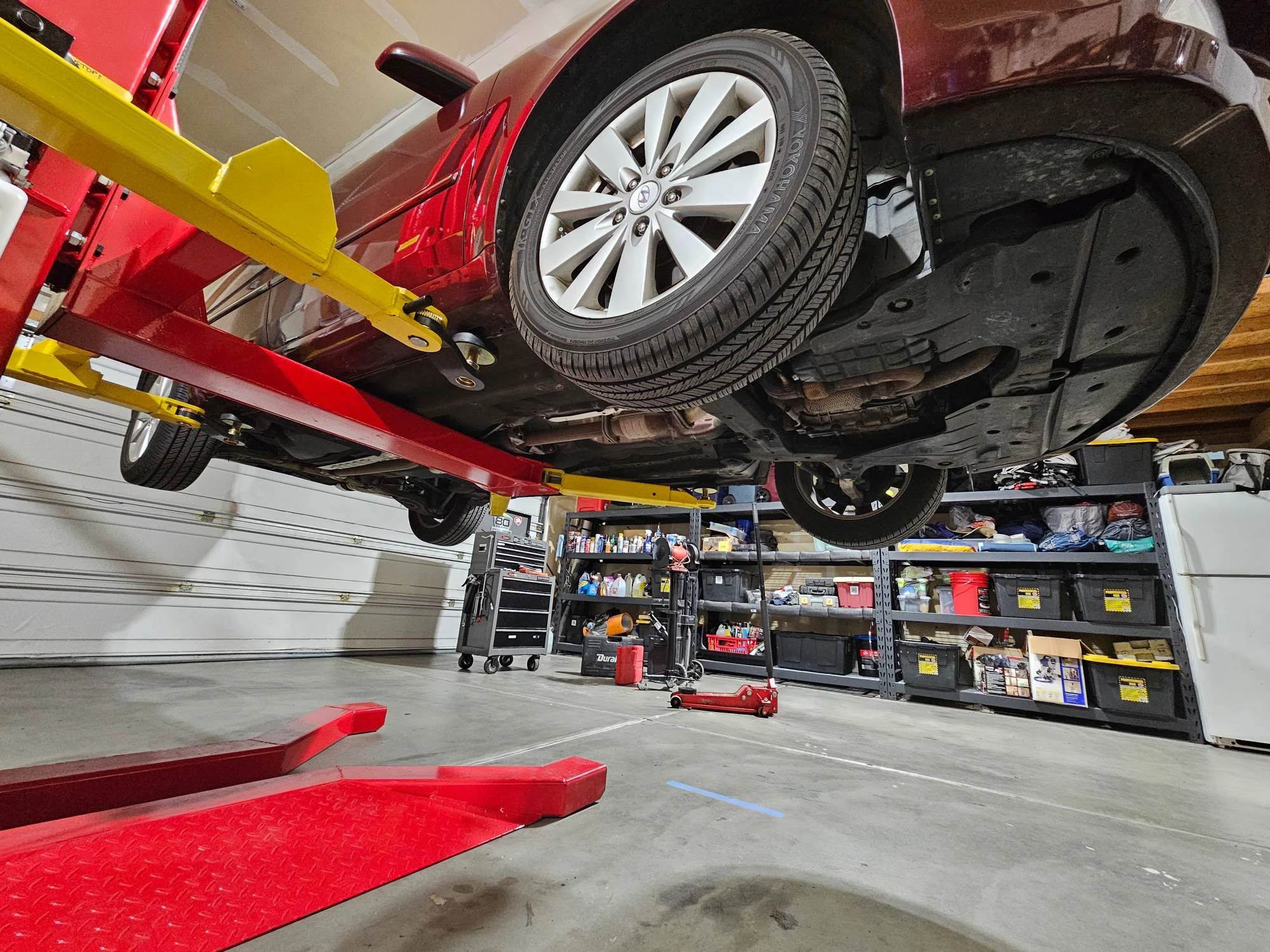
For many families, the garage serves as a workshop, sports-gear locker, and garden shed, all while housing the primary vehicle. Over time, this multipurpose role breeds clutter and creates safety risks during maintenance. Utilizing equipment such as HeavyLift Direct’s garage lift for repairs allows homeowners to safely raise a vehicle, eliminating the need for wobbly floor jacks.
Beyond safety, lifting the vehicle opens up the floor beneath for bins, lawn equipment, or even a compact workbench. This arrangement multiplies usable footage without requiring a renovation. It effectively transforms a cramped storage unit into a functional workspace.
Why a Lift Makes a Self-Running Home
- Safer DIY Maintenance: Routine inspections, oil changes, and brake jobs become more comfortable and secure with built-in locks and high weight capacities.
- Built-In Organization: When the vehicle sits aloft, the space underneath becomes available for storage.
- Long-Term Asset Care: Painless inspections lead to early detection of wear, extending the life of the vehicle investment.
For those interested in low-emission commuting, the extra ceiling clearance easily accommodates a hanging rack for bicycles or moped scooters. This frees up even more floor space for daily use.
3. Seal and Weather-Proof Windows
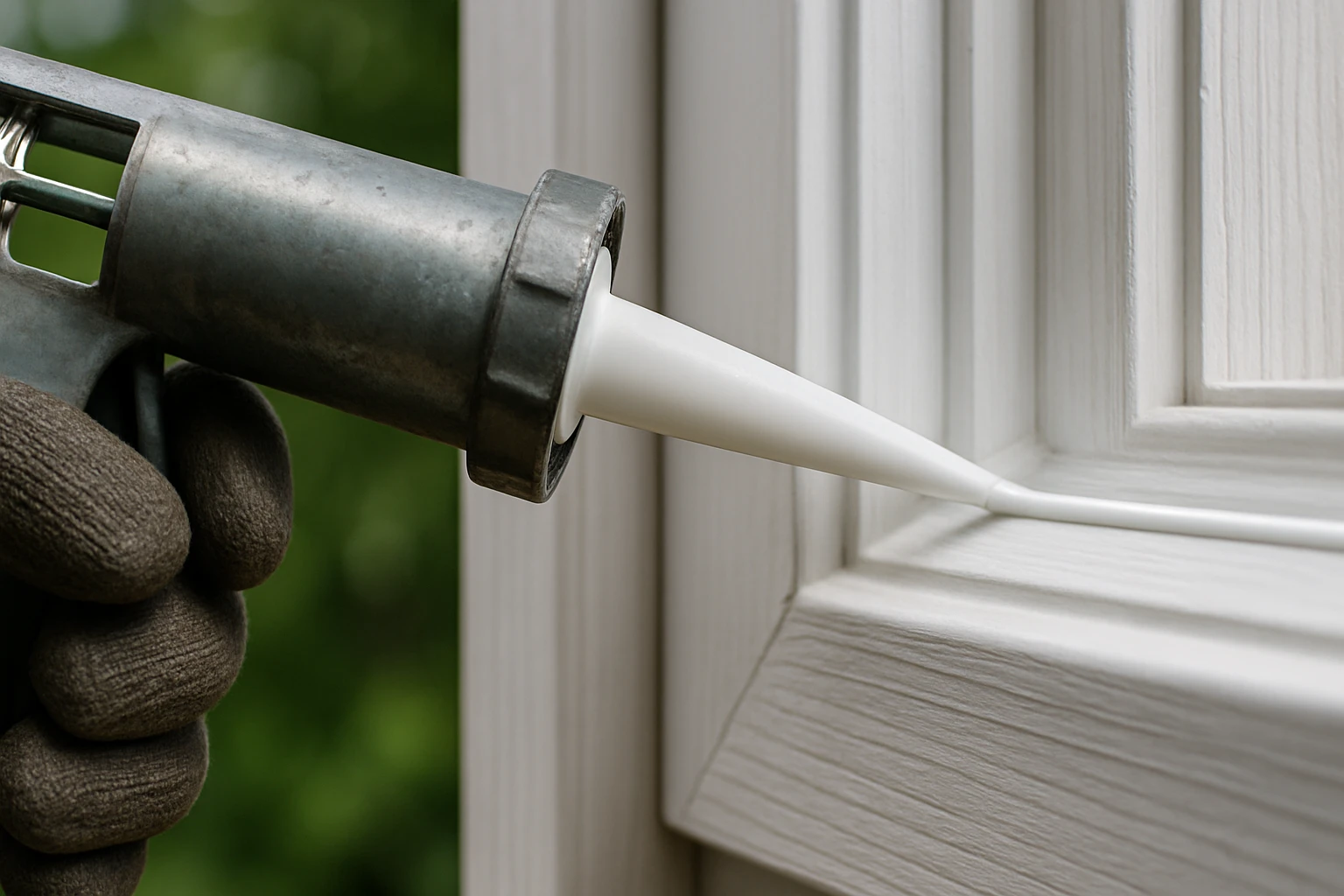
Drafts do more than chill the living room; they force HVAC systems to overwork, shortening their service life. The potential energy savings from reducing drafts in a home may range from 5% to 30% per year, and the home is generally much more comfortable afterward. Plugging these leaks is a textbook example of long-term home maintenance.
Weekend Action Plan
- Perform a smoke-stick test: Hold a lit incense stick near window and door frames; wavering smoke indicates airflow.
- Seal small gaps: For gaps under ¼ inch, use a paintable exterior caulk.
- Address wide openings: Use a foam backer rod combined with caulk for larger spaces.
- Update thresholds: Replace brittle weather-stripping and add door sweeps to exterior doors.
4. Install a Programmable Smart Thermostat
A smart thermostat acts as cruise control for indoor comfort. Learning algorithms adjust settings based on household routines and real-time weather, ensuring consistent temperatures without constant manual tweaking. You can save as much as 10% a year on heating and cooling by simply turning your thermostat back 7°-10°F for 8 hours a day from its normal setting.
Fast Facts for Decision Makers
- Cost accessibility: Simple models start around $60, while full-featured, voice-activated units can reach $250.
- Rebate potential: Many utility providers offer rebates for installing energy-efficient thermostats.
- Easy installation: Most units require only a screwdriver and about 20 minutes to install.
5. Create Wall-Mounted Organization Systems
Pegboards, adjustable shelving, and clear stackable bins transform random piles into well-marked “zones.” Label each hook and container, whether for screws, gardening tools, or pet supplies. This prevents duplicate purchases and frantic searches for missing items.
Implementation Steps
- Sketch zones: Designate areas for DIY, gardening, seasonal décor, and sports gear.
- Install hardware: Mount heavy-duty steel tracks into studs and add modular shelves.
- Visual cues: Use color-coded labels for quick scanning and rotate lesser-used gear to higher shelves.
When used alongside vertical lift systems, overhead shelving keeps seldom-used items above the vehicle. This leaves the lower levels clear for daily drivers and essential tools, maintaining a clutter-free environment.
Your Next Steps
A self-running, wholesome home relies on systems that quietly prevent headaches: energy-smart lights, sealed envelopes, automated climate control, organized vertical storage, and tools that make upkeep safe and easy.
Pick one fix. Whether it is weather-proofing this weekend or reviewing lift specifications during a break, set it in motion. Small systems established today create calmer living tomorrow while supporting sustainable home upgrades that pay dividends for years.
FAQs
Smart thermostats often recoup their cost in 1 to 4 years through energy savings on utility bills, varying by climate, energy rates, home efficiency, and rebates.
Many homeowners tackle it themselves in a day, but hiring a certified installer ensures perfect leveling and preserves warranties.
Sealing drafts around windows can reduce heating and cooling energy loss through air leaks, potentially lowering annual bills by improving efficiency, though exact savings (often estimated 5%-30% by industry sources) vary by home condition and climate. This also enhances indoor comfort by minimizing temperature fluctuations.
Yes. Modular shelving, pegboards, and labeled bins can be adapted to fit small or large garages, maximizing space and reducing clutter.