To sell your home faster, prioritize enhancing curb appeal with high-impact exterior updates. Establish clear on-site communication through professional signage and optimize interior presentation to create an immediate emotional connection.
These three strategic areas work collectively to reduce time on market by building buyer confidence early. By focusing on accessible improvements, sellers can effectively differentiate their property and secure offers efficiently.
The Emotional & Practical Reality of Selling

Selling a home involves juggling schedules, repairs, and the mixed emotions of leaving a place full of memories. This complexity explains why recent sellers might feel overwhelmed during the process. However, the path to a quick sale is often simpler than expected. Fast, high-impact fixes often yield better results than expensive renovations.
Nearly half (49%) of home sellers’ agents observed that home staging reduced the time homes spent on the market. Focusing on these manageable details helps transform a stressful experience into a streamlined transaction.
The Power of First Impressions
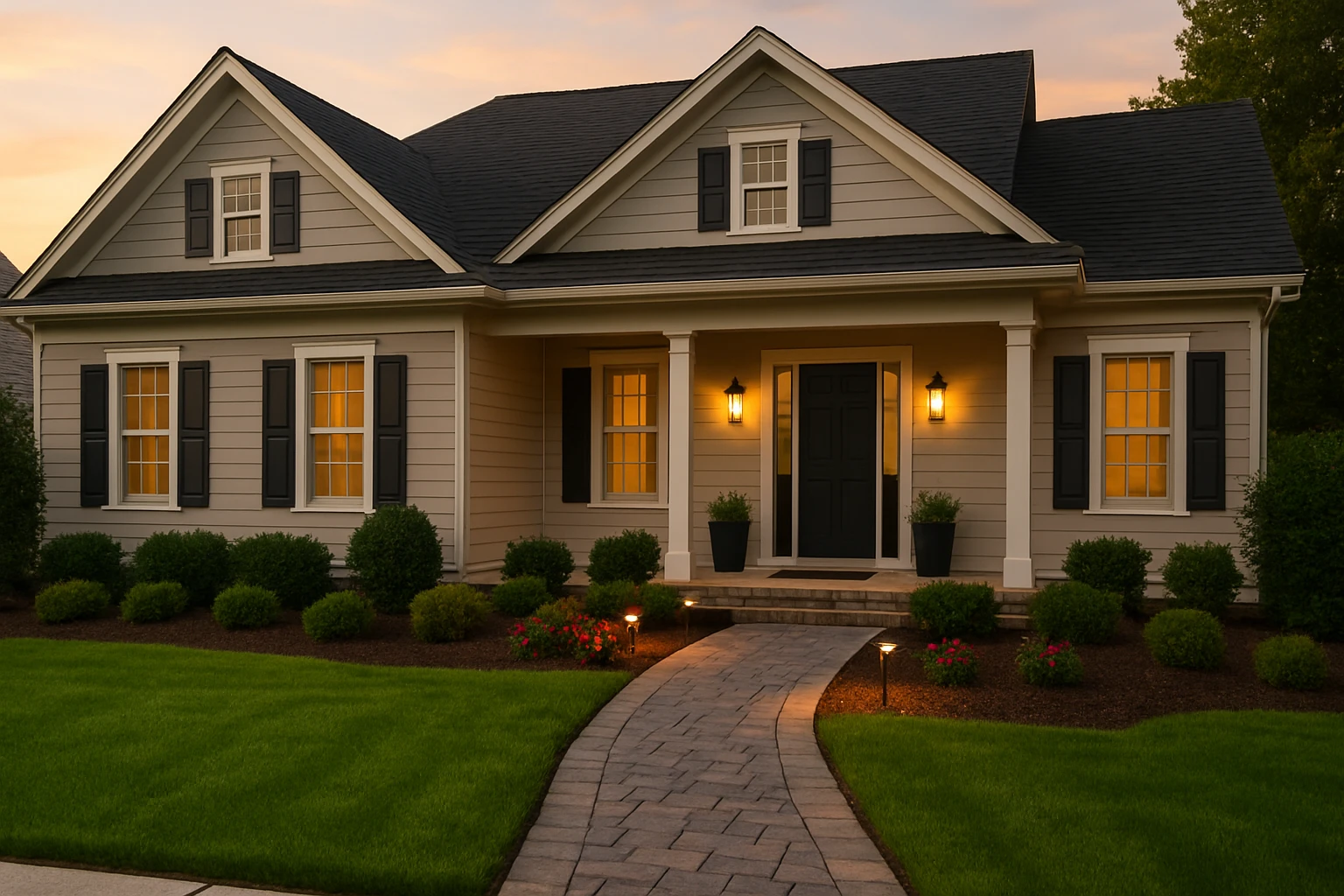
Buyers typically decide how they feel about a property within roughly eight seconds of arrival. Before they have read the full listing sheet or toured the kitchen, they judge the home based on what they see from the street. Well-maintained landscaping and professional signage signal that the owner cares for the property.
Homes with strong curb appeal sell for an average of 7% more than comparable homes in the same neighborhood. Conversely, overgrown grass or a faded sign can suggest neglect. Capitalizing on this brief window of judgment is critical for pacing the sale.
1. Curb Appeal for Sellers — Low-Effort, High-Impact Fixes
Improving the exterior does not require a complete landscape overhaul. Small, strategic changes can create an inviting atmosphere that draws buyers in immediately. Focus on “micro-fixes” that yield high returns.
- Trim & Tidy: Edge sidewalks, prune overgrown shrubs, and pull weeds to create clean lines.
- Fresh Mulch: A modest investment in fresh mulch can make garden beds look professionally maintained.
- Hardware Refresh: Swapping dated door handles and installing a new mailbox adds instant polish.
- Evening Glow: Solar path lights and updated porch bulbs ensure the home looks welcoming during evening drive-bys.
- Numbers That Pop: Large, contrasting house numbers help buyers and agents locate the property easily.
While tending to these exterior details, the quality of your signage plays a pivotal role. Placing YardSigns.com’s durable yard signs in a prominent spot ensures your listing is visible from both directions. A crisp, weather-resistant sign serves as a 24/7 salesperson, communicating value and professionalism.
2. Clear Communication On-Site: Signs, Directions & QR Codes
Confusion is a major barrier to a sale. Buyers frustrated by parking issues or unclear pricing may drive away before seeing the house. Professional signage resolves these questions instantly and keeps the focus on the property.
Businesses report an average sales increase of 10% when a sign is added, replaced or updated. Signs made from durable coroplast stand up to rain and sun without fading.
- Directional Arrows: Guide traffic clearly from the main road to the driveway.
- Rider Strips: Display essential info like price, square footage, or open house hours.
- QR Codes: Link directly to virtual tours or online brochures, allowing buyers to engage immediately.
3. Interior Presentation & Micro-Staging Wins
Once the exterior has done its job, the interior must confirm the buyer’s positive expectations. A “declutter blitz” can transform the feel of a home in just 24 hours. Removing half of the items on counters and shelves opens up visual space.
Swapping bold paint colors for soft neutrals appeals to a wider audience. Simple updates like replacing worn rugs and installing warm LED bulbs create a welcoming environment. These micro-staging efforts help buyers visualize themselves living in the space.
Photography & Social Media Reels
In the digital age, curb appeal extends to the screen. High-quality images are essential, as online listings are often the first viewing. Engaging a photographer who understands real estate angles can make a significant difference.
Sharing these visuals as vertical reels on social media platforms with engaging captions can multiply views. When online browsers decide to visit in person, the consistency between digital photos and physical signage confirms quality. This creates a seamless loop that speeds up offers.
Partnering with Pros & The Right Tools
Even for enthusiastic DIY sellers, leveraging expert help ensures smoother transactions. Seasoned agents bring negotiation skills, while professional stagers optimize furniture placement to maximize space. Alongside these professionals, using the right tools is essential.
High-quality signage acts as a silent partner, working around the clock to signal quality to every passerby. Utilizing resources that offer professional design assistance allows sellers to maintain momentum without delays. This partnership approach minimizes stress throughout the process.
Your Next Steps
To finalize preparations, step onto the sidewalk and view the property through a buyer’s eyes. Check for any distractions like squeaky gates or cobwebs, and ensure the entry light is bright. Refresh mulch beds to create a clean contrast against the greenery.
Position your signage toward the main traffic flow to maximize visibility. Add a price rider or QR code for immediate information access. After capturing polished photos, verify that online listing details match on-site messaging.
FAQs
Focus on curb appeal, clear on-site communication, and interior presentation. These small, strategic improvements build buyer confidence and reduce time on market.
Trim shrubs, add fresh mulch, and update hardware like door handles and house numbers. Even subtle changes create a welcoming first impression for buyers.
Use clear signage, directional arrows, and QR codes linking to virtual tours or listing details. This prevents confusion and keeps attention on the property.
Declutter counters, swap bold paint for soft neutrals, and refresh worn textiles or lighting. These micro-staging efforts help buyers visualize living there.