Ever stared at your kitchen walls and wondered if repainting them in “greige” would magically bump up your home’s value? The truth is, some changes make a real impact, while others just look good in real estate listings and disappear in the appraisal. These days, with interest rates high and home buyers pickier than ever, every upgrade has to earn its keep. In this blog, we will share which improvements actually move the needle.
Value That Sticks, Not Just Shines
In a market where homeowners are more cautious than ambitious, upgrades need to serve a purpose beyond aesthetics. The pandemic created a burst of renovation frenzy—home gyms, bread-making nooks, Zoom-call backdrops. But now, many homeowners are looking at returns, not trends. They’re asking what will still matter in five years. What adds equity, not just style.
Bathrooms land near the top of that list. It’s not about adding a clawfoot tub for Instagram. It’s about upgrades that improve daily use, comfort, and efficiency. A well-done shower replacement hits the sweet spot. It modernizes without a full remodel, avoids the clutter of luxury features that rarely get used, and gives one of the most-used parts of the house a clean, updated feel. Water-efficient fixtures, slip-resistant flooring, and low-maintenance materials quietly raise both functionality and buyer interest. Not only does it benefit current living, it shows potential buyers the space was maintained with intent—not just patched up for photos.
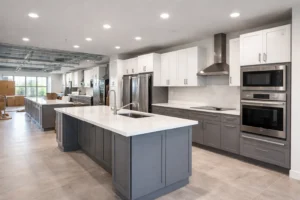
Elsewhere, kitchens follow close behind. But the return on these varies wildly. Pulling out cabinets and splashing quartz on every surface may feel satisfying, but the cost rarely tracks with the bump in value—unless the existing setup is outdated beyond use. In most cases, focused changes win. Replacing worn countertops, swapping out dated lighting, and upgrading appliances to energy-efficient models create immediate usability without blowing through the budget.
Similarly, accessibility upgrades are gaining attention, with a home elevator becoming a practical investment in multi-level homes where long-term livability matters. While home elevator costs can be higher than cosmetic updates, they often appeal to aging homeowners and future buyers alike, signaling thoughtful planning and adding functional value that extends well beyond visual appeal.
The Invisible Work That Pays Off
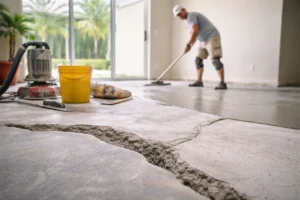
Some of the most valuable improvements are the ones you never see unless something goes wrong. Buyers rarely cheer at new insulation, but they absolutely notice when a draft won’t quit in winter. Replacing old windows, sealing crawl spaces, and upgrading HVAC systems aren’t flashy, but they cut energy bills and signal a home that’s been looked after with care. Regular maintenance and timely upgrades—such as investing in professional air conditioning services in Brisbane—can further improve system efficiency, extend lifespan, and reassure buyers that essential systems are in top condition.
The 2026 housing market continues to reward energy-conscious choices. As utility costs rise and cities push for greener building codes, homes that already meet—or beat—these standards have the edge. Solar installations, for instance, used to be considered too niche. Now, they show up on more wish lists than swimming pools. Even modest upgrades, like smart thermostats or zoned temperature controls, show a home is moving with the times, not stuck in 1997.
Roof work falls into this invisible-but-essential category. It’s never the star of a listing, but it underpins the entire sale. If a buyer’s inspector finds cracked shingles or poor drainage, the deal stalls—or worse, dies. Replacing or repairing the roof may not bring a dramatic return, but it removes a major red flag. Sometimes value isn’t about adding—it’s about not losing.
Outdoor Improvements That Extend Living Space
With more people working from home part of the week—or permanently—the value of usable outdoor space has surged. Decks, patios, and shaded seating areas have gone from “nice to have” to “can we live here?” Especially in suburban neighborhoods, buyers want homes that blur the line between inside and out.
A well-built deck can recoup over 60% of its cost, depending on location and materials. But again, function matters more than flash. Think durable lumber, easy-to-clean surfaces, and space for real furniture—not just a narrow ledge around a door. Additions like pergolas or privacy panels offer comfort without breaking zoning laws. Landscaping follows the same rule: low-maintenance, clean lines, and native plants beat elaborate water features or overly groomed lawns that scream “weekend upkeep.”
Fences have become more valuable too—not just for privacy, but for pets, kids, and peace of mind. In some areas, especially post-2020, buyers see a good fence as essential, not optional. Just don’t go for castle-height panels that block all light. Buyers want space that feels open yet secure, not walled off from the world.
Improvements That Hurt More Than Help
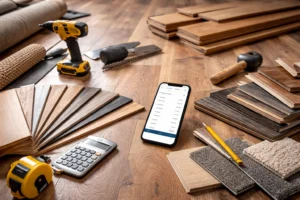
Not all upgrades age well. Wall-to-wall carpeting, once considered cozy, now reads as dated unless it’s restricted to bedrooms—and even then, most buyers lean toward hardwood or engineered flooring. Trendy design features, like open shelves or “statement” wallpaper, may look sharp on social media but quickly fall out of favor.
Swimming pools are another gamble. In warmer states, they can raise appeal. In colder regions, they often create maintenance concerns without year-round payoff. The same goes for luxury items like wine cellars or theater rooms. Some buyers love them. Most see them as unnecessary.
Over-customization kills resale value. Brightly colored tile, built-in aquarium walls, or oddly shaped kitchen islands may reflect personal taste, but they limit appeal. Future buyers want to imagine their own life in the space—not work around someone else’s vision. The more universal the upgrade, the better it performs when it’s time to sell.
How Cost, Timing, and Location Shape Value
A smart improvement in the wrong market won’t return much. Region matters. Heated floors might wow in Vermont but fall flat in Texas. Likewise, investing in high-end finishes in a neighborhood where homes sell for modest prices rarely pays off. You don’t want to be the most expensive house on the block just because you installed imported tile and luxury appliances no one asked for.
Timing plays a role too. Right now, with inflation hitting materials and labor hard, big-ticket projects come at a steeper cost. But the flip side is that buyers notice homes already updated—they don’t want to deal with long lead times, contractor shortages, or surprise costs. Sellers who’ve already done the work, especially the unglamorous work, stand out.
Refinancing is another factor. With mortgage rates higher than they’ve been in a decade, many owners aren’t moving—they’re upgrading instead. This shift from selling to staying means improvements need to serve a double purpose: comfort now, and potential value later. Projects that improve quality of life while still holding resale power have become the sweet spot.
In markets like Phoenix, Nashville, or Raleigh—where job growth has outpaced housing supply—buyers often compete for homes that are move-in ready. There’s less patience for fixer-uppers, even among first-timers. That means sellers who’ve tackled key projects ahead of time can often close faster and closer to asking price.
Even rentals benefit. Landlords adding energy-efficient windows, updated kitchens, and washer/dryer hookups are seeing lower vacancy rates and better tenant retention, especially in competitive metro markets.
Home improvement isn’t about chasing trends or padding a Zillow description. It’s about choices that hold their value, not just in dollars but in usefulness. A future buyer may not notice every choice you made—but they’ll feel it in how the house lives. That’s the real return.
FAQs
Bathrooms, kitchens, energy-efficient upgrades, and structural essentials like roofs and HVAC systems tend to deliver the strongest and most reliable returns.
Not always—targeted updates like new countertops, lighting, and energy-efficient appliances often outperform expensive, full-scale renovations.
Bathrooms are high-use spaces, and functional improvements like modern showers and efficient fixtures improve daily living while signaling good maintenance to buyers.
Yes, buyers increasingly value lower utility bills and homes that already meet modern efficiency standards, especially as energy costs rise.
They do—while not flashy, these improvements reduce future repair risks and reassure buyers that the home has been well cared for.
Well-designed decks, patios, and usable outdoor spaces can recoup a significant portion of their cost, particularly in markets where outdoor living is prized.
Yes—overly trendy, highly customized, or maintenance-heavy features can limit buyer appeal and hurt resale potential.
A roof replacement may not boost value dramatically, but it removes a major deal-breaker that can stall or kill a sale.
Regional climate, neighborhood price ranges, and buyer expectations all influence whether an upgrade adds value or becomes an overinvestment.
Yes, if the upgrades improve daily comfort while still holding long-term resale value, making them beneficial both now and later.