Fabric crafts have a quiet power.They sit at the intersection of creativity, practicality, and personal expression. One piece of fabric can become a gift, a solution, or a small moment of joy. I’ve found that fabric crafts aren’t just about making things—they’re about slowing down, working with your hands, and producing something that lasts.
In a world of fast everything, fabric crafts invite intention. They reward patience. And they fit beautifully into modern life, whether you’re crafting on a weekend or building skills over time.
This article explores fabric crafts from the ground up. Tools. Techniques. Mindset. And most importantly, how to actually use them in ways that feel useful, not decorative clutter.
Let’s get into it.
What Fabric Crafts Really Are
Fabric crafts involve creating functional or decorative items using textiles as the primary material. Simple definition. Broad application.
Fabric crafts include:
- Sewing and hand stitching
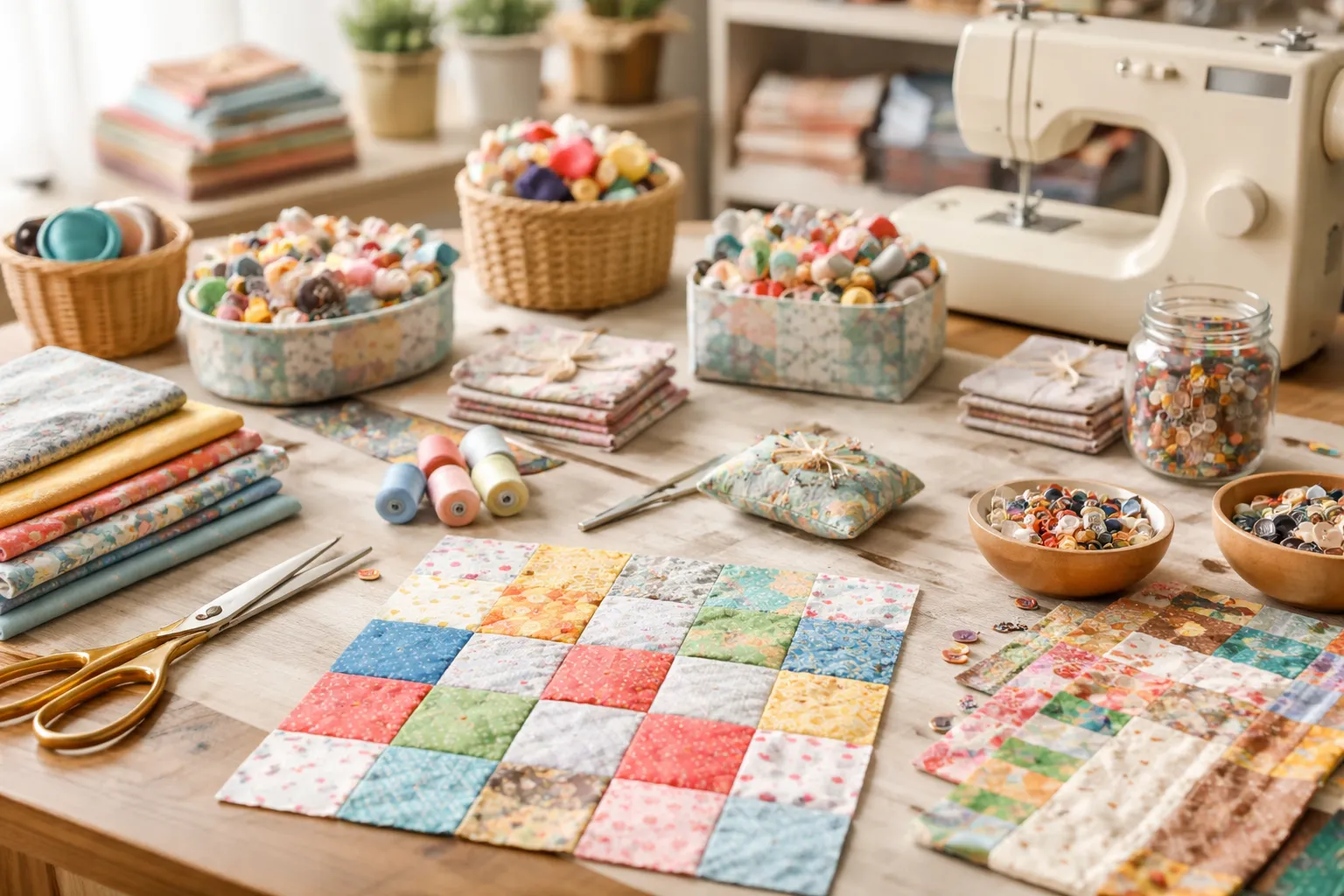
- Quilting and patchwork
- Embroidery and surface design
- Appliqué and layered fabric art
- No-sew fabric projects
What makes fabric crafts unique is their flexibility. You can work precisely or loosely. You can follow patterns or ignore them entirely. And you can make something polished—or something raw and expressive.
The materials are familiar, too. Cotton, linen, denim, felt, wool, canvas. Many projects begin with fabric already in your home, which lowers the barrier to entry immediately.
Tools That Actually Matter
You don’t need a full studio to start fabric crafts. You need a small, reliable toolkit.
Here’s what consistently earns its place:
| Tool | Why It Matters |
| Fabric scissors | Clean cuts prevent fraying and uneven seams |
| Needles (hand + machine) | Different weights handle different fabrics |
| Thread (neutral colors) | Works across most projects |
| Pins or clips | Precision without frustration |
| Measuring tape or ruler | Accuracy saves time later |
If you sew regularly, a basic sewing machine helps. If you don’t, hand stitching is more than enough to create beautiful fabric crafts.
The real rule? Use tools that don’t fight you. Replace dull scissors. Toss bent needles. Small upgrades make a big difference.
Popular Types of Fabric Crafts Worth Exploring
Fabric crafts come in many forms, but a few categories stand out for both beginners and experienced makers.
Sewing Projects
From simple tote bags to lined pouches, sewing forms the backbone of many fabric crafts. Straight seams teach discipline. Curves teach patience.
Quilting and Patchwork
Quilting turns scraps into structure. It’s methodical, visual, and deeply satisfying. Patchwork projects are perfect for using leftover fabric.
Embroidery
Embroidery brings fabric to life. Even minimal stitching can add texture and personality to otherwise plain textiles.
Appliqué and Fabric Collage
Layering fabric shapes creates depth without complexity. This technique works especially well for wall art and children’s projects.
No-Sew Fabric Crafts
Not everything requires a needle. Fabric wrapping, knotting, and adhesive-based projects open fabric crafts to anyone hesitant about sewing.
Fabric Crafts for Beginners: Start Smart
Starting fabric crafts doesn’t require talent. It requires momentum.
Begin with projects that finish quickly. Completion builds confidence.
Good starter projects include:
- Fabric coasters
- Simple pillow covers
- Reusable produce bags
- Headbands or scrunchies
Choose fabrics that behave well. Cotton and felt are forgiving. Slippery or stretchy fabrics can wait.
Avoid common beginner mistakes:
- Cutting before measuring twice
- Using the wrong needle for the fabric
- Rushing finishing steps
Fabric crafts reward care more than speed. Slow is efficient here.
Advanced Techniques That Elevate Fabric Crafts
Once the basics feel natural, fabric crafts open up in new ways.
Pattern Customization
Adjusting existing patterns teaches spatial thinking. Start small. Change a pocket placement. Resize a panel.
Texture Layering
Combine smooth fabric with rougher textures. Add stitching that’s meant to be seen. Texture tells a story.
Fabric Dyeing and Printing
Hand-dyed fabric adds uniqueness you can’t buy. Natural dyes, block printing, and stenciling all expand creative control.
Finishing Details
Clean edges. Reinforced seams. Thoughtful closures. These separate casual fabric crafts from professional-quality work.
Skill grows through repetition. One technique at a time.
Sustainable and Upcycled Fabric Crafts
Fabric crafts naturally support sustainability. Especially when you use what already exists.
Old jeans become durable bags. Shirts turn into quilts. Linen scraps become napkins.
Benefits of upcycled fabric crafts:
- Reduced textile waste
- Lower material costs
- Unique, one-of-a-kind results
Upcycling also forces creativity. You work with constraints. And constraints sharpen design decisions.
Before buying new fabric, ask:
What do I already have?
Fabric Crafts for Home Décor
Fabric crafts shine in home settings. They soften spaces. They add warmth without noise.
Popular décor projects include:
- Throw pillows
- Wall hangings
- Table runners
- Fabric storage bins
Seasonal updates are especially effective. Swap pillow covers. Change table linens. Refresh a room without redecorating entirely.
Durability matters here. Use reinforced seams. Wash-test fabrics before committing.
Fabric Crafts as Meaningful Gifts
Handmade fabric gifts feel personal because they are.
Fabric crafts work well as gifts when they’re:
- Useful
- Sized correctly
- Finished cleanly
Strong gift ideas include:
- Tote bags
- Baby blankets
- Fabric book covers
- Heat packs or eye pillows
Packaging matters. Simple wrapping. Clean presentation. Let the craftsmanship speak.
People remember fabric crafts because they’re tactile. They’re used, not shelved.
Time, Cost, and Skill: Set Real Expectations
Fabric crafts don’t need to be expensive or time-consuming—but they can be if you don’t plan.
Here’s a realistic breakdown:
| Factor | What to Expect |
| Time | 30 minutes to several days, depending on complexity |
| Cost | Low if using scraps, moderate for specialty fabric |
| Skill | Grows steadily with repetition |
Batch projects save time. Cutting multiple pieces at once reduces setup fatigue.
Work in sessions. Stop before frustration sets in. That’s how fabric crafts stay enjoyable.
Creativity Grows Through Fabric Crafts
Fabric crafts teach problem-solving in quiet ways.
Seams don’t line up? Adjust.
Fabric puckers? Learn why.
Design feels off? Edit.
Mistakes aren’t failures. They’re feedback.
Over time, patterns emerge. Preferences form. Your style develops naturally.
Creativity strengthens when it’s practiced, not pressured.
Fabric Crafts in Modern Life
Fabric crafts fit modern schedules better than people expect.
- They work in short bursts.
- They reduce screen time.
- They offer measurable progress.
For families, fabric crafts become shared activities. For professionals, they become decompression tools. And for entrepreneurs, they can evolve into small businesses.
Online communities and tutorials make learning accessible, but hands-on practice still matters most.
Fabric crafts don’t demand perfection. They demand presence.
Making Fabric Crafts Part of Everyday Life
Fabric crafts endure because they adapt.
- They scale up or down.
- They serve function and beauty.
- They turn ordinary materials into something intentional.
Whether you’re stitching for five minutes or planning a complex project, fabric crafts meet you where you are.
Start small. Finish often. Improve steadily.
That’s how fabric crafts stop being a hobby—and start becoming a meaningful, creative practice you return to again and again.