
If you’ve ever walked into your goat pen and spotted loose, watery droppings, you know the sinking feeling all too well. Scours in goats isn’t just a messy inconvenience—it’s a warning sign that something’s wrong. Over the years, I’ve faced my fair share of digestive flare-ups and learned that how to treat scours in baby goats naturally often starts with prevention, observation, and quick response.
Let me share the signs I look for, how I track down the cause, and what actually works to get my goats back on their feet.
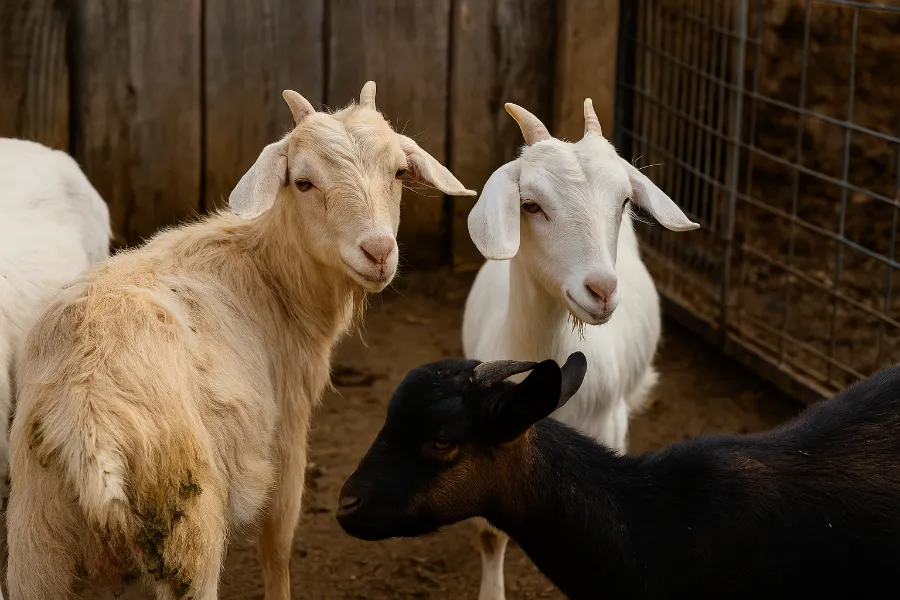
Goat Deworming and Parasite Prevention
When I first started raising goats, goat deworming meant grabbing whatever product was on the shelf and dosing the whole herd every few weeks. I thought I was being thorough, but in reality, I was setting myself up for bigger problems. Later, I learned that parasites can build resistance to dewormers if you overuse them — a costly mistake that new goat owners often make.
Over time, I developed a safe deworming rotation plan for small goat herds that keeps resistance at bay. I now record and track goat deworming treatments carefully so I know what’s working and what’s not. The key is to prevent parasite resistance in goat herds by rotating classes of dewormers and only treating when necessary.
And when I need extra insight, I run a goat fecal test to confirm what kind of parasite I’m dealing with before I treat. This targeted approach ensures the medicine I use actually works — and that my goats aren’t being over-medicated for no reason.
Early Signs of Trouble
The tricky part about scours is that symptoms can sneak up on you. Early signs of parasite overload in goats aren’t always obvious. A dull coat, weight loss despite eating well, or pale eyelids can all signal that something’s brewing under the surface.
When I see goat weight loss despite eating well causes, I immediately check for anemia. Learning how to read goat eyelid color for anemia has become second nature — a quick FAMACHA check can tell you a lot about your herd’s health.
Catching symptoms early also helps you spot other issues, like bottle jaw treatment and prevention in goats, which often signals severe internal parasites or low protein levels. The earlier you intervene, the better the chances your goat bounces back fast.
When It’s More Than Scours
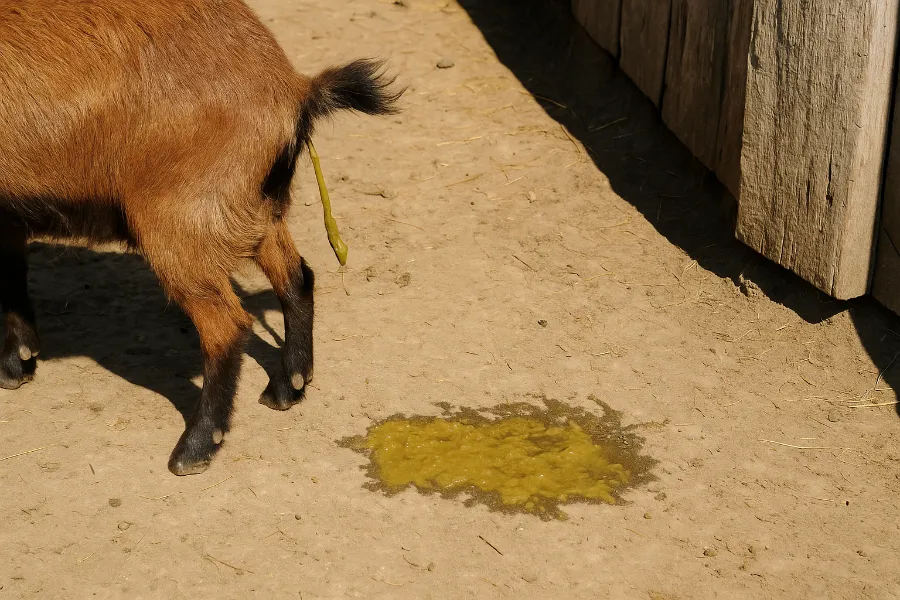
All scours is diarrhea, but not all diarrhea is scours. The difference between scours and diarrhea in goats matters because the causes and treatments can vary. Goat diarrhea might stem from stress, diet changes, or mild bacterial imbalance, while scours usually points to a more serious problem like parasites or infection.
If you notice sudden diarrhea after pasture change in goats, it might be a simple case of dietary upset. The sudden shift from dry feed to lush grass can overwhelm the rumen. I’ve learned that feeding schedule to prevent digestive upset in goats can make all the difference — gradual transitions, consistent hay, and access to minerals help maintain gut balance.
Testing Before Treating
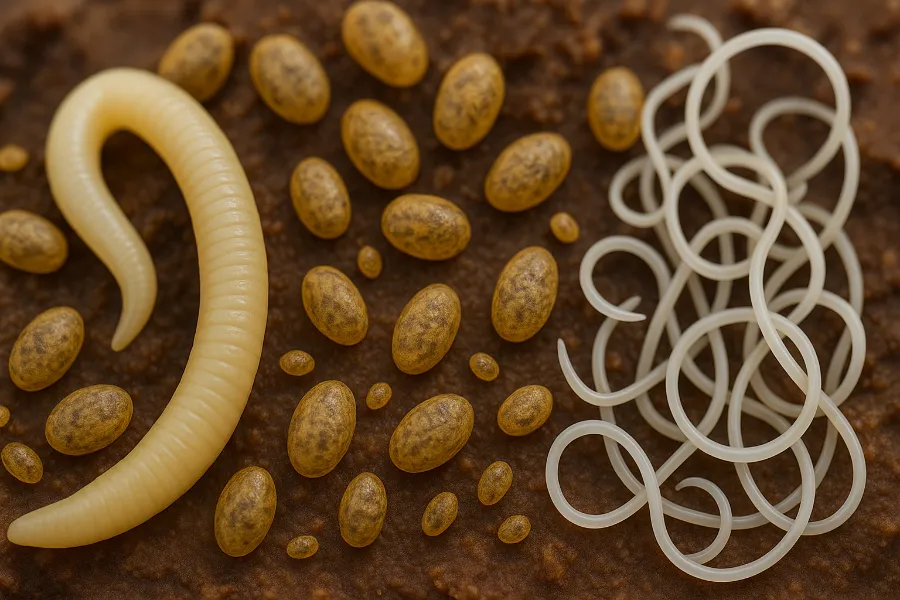
One of the most powerful lessons I’ve learned? Always test before you treat. Running a step-by-step guide to goat fecal testing at home changed how I manage herd health. With just a microscope and a flotation solution, you can identify specific parasite eggs.
If you’re not comfortable doing it yourself, a vet can handle it — but understanding the process helps you become a better goat keeper. Knowing how often to run fecal egg counts in goats depends on your region and season, but for me, testing every 6–8 weeks during warm, wet months helps catch parasite blooms before they get out of hand.
This saves both money and your herd’s immune strength since you’re treating based on need, not guesswork.
Finding the Best Dewormer for the Job
The best dewormer for goats depends entirely on the type of worms you’re facing. I’ve learned to match treatment to the parasite instead of relying on one product year-round. A goat battling barber pole worms will need a different medication than one with tapeworms.
Whenever possible, I explore natural alternatives to chemical goat dewormers to support my herd between major treatments. Herbal blends, tannin-rich forages like sericea lespedeza, and apple cider vinegar in small doses can reduce parasite stress naturally.
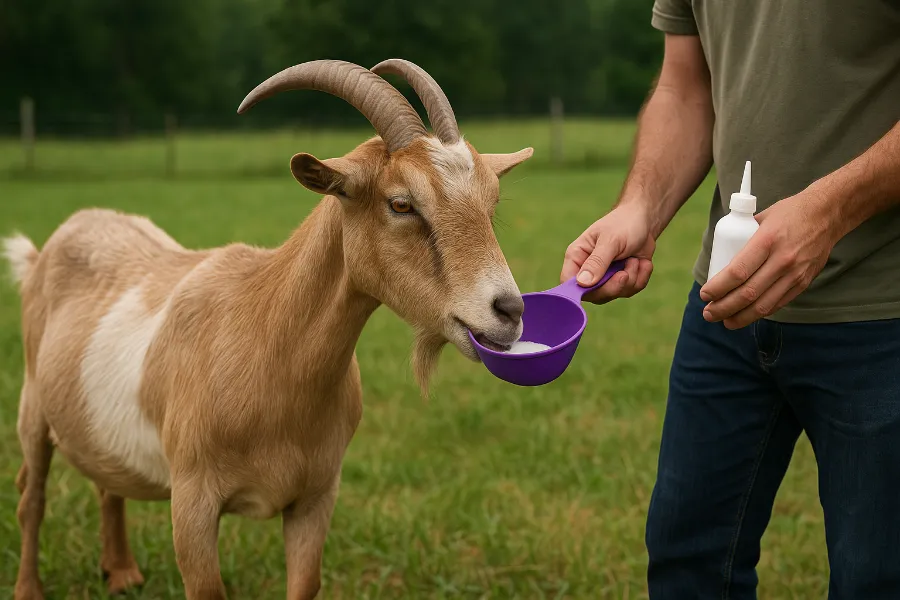
Still, if symptoms are severe, a targeted commercial dewormer combined with supportive care is the fastest way to get things under control.
Handling Scours in Goats
When it comes to scours in goats, my first step is always isolation. I move the affected goat away from the main herd to limit exposure and minimize stress. Then I take their temperature — because understanding goat temperature and what’s normal helps pinpoint the cause.
A reading above 103°F often signals infection, while a normal or low temperature points more toward parasites or diet. From there, hydration becomes my top priority. I mix the best electrolyte mix for dehydrated goats and encourage slow sipping. Electrolytes replace lost minerals, restore balance, and can make a huge difference within hours.
If scours persist beyond 24 hours, I move on to treatment based on test results — either parasite control or dietary adjustments.
Supporting Recovery and Gut Health
When a goat is recovering from scours or worms, nutrition and environment become just as important as medicine. Offering the best hay types for restoring goat gut health can help the rumen rebound faster. High-fiber, clean grass hay keeps the digestive system moving while reducing irritation.
I also make sure their shelter is comfortable and clean. How to keep goat shelters dry and parasite-free is something I take seriously — moisture breeds parasites, and stress from damp, dirty conditions only weakens immunity.
Sometimes, separating a weak goat can be stressful for both the animal and the herd. Knowing how to isolate a sick goat without stressing the herd has helped me manage outbreaks calmly. Visual separation (like fencing within the same pen) works wonders.
Building a Smart Deworming Schedule
I used to follow a strict deworming calendar: same time every season, no matter what. But that approach wasted product and encouraged resistance. I’ve since built a needs-based deworming schedule for goats that relies on observation and testing instead of the calendar.
Here’s how I manage it:
- Check goats regularly for signs of worms.
- Run fecal tests during high-risk seasons.
- Treat only when needed, not just because it’s “time.”
- Track what works using your records.
By doing so, I’ve drastically cut down parasite flare-ups and kept my herd’s immunity strong. Over-treating may feel proactive, but it weakens both your goats and your medicine’s effectiveness over time.
Addressing Broader Goat Health Problems
Scours might be the issue you notice first, but it often points to broader goat health problems. Poor nutrition, mineral imbalance, and stress are silent triggers that open the door for parasites. Rotating pastures helps, too — a foundational part of preventing parasite resistance in goat herds because it disrupts worm life cycles.
A well-balanced feeding plan with plenty of roughage and minerals supports digestion and boosts immunity. And don’t underestimate calm handling — rough or loud movements can cause rumen slowdown and stress scours to worsen.
By focusing on overall wellness, I’ve reduced repeat flare-ups and built a stronger, more resilient herd.
Lessons Learned From the Hard Way
If there’s one thing I’ve learned, it’s that common mistakes new goat owners make with deworming often start with good intentions. Over-treating, skipping fecal tests, or ignoring early warning signs all lead to bigger issues down the road.
A strategic approach—built on observation, testing, and record-keeping—turns goat care from guesswork into science. Every season, I refine my methods just a little more, learning from what worked and what didn’t.
Scours and parasites are part of raising goats, but they don’t have to control your herd. Stay curious, keep notes, and never stop learning. Your goats (and your wallet) will thank you.
Final Thoughts on Scours in Goats
Dealing with scours in goats isn’t fun, but it doesn’t have to be overwhelming. The biggest game-changers for me have been staying observant, testing before treating, and focusing on prevention.
By incorporating step-by-step goat fecal testing, using natural alternatives to dewormers, maintaining a flexible deworming schedule, and ensuring good nutrition, you can manage scours confidently and effectively.
Raising goats will always come with challenges, but with the right tools, you can keep scours from becoming a regular headache—and keep your herd happy, healthy, and thriving.
FAQs
Scours in goats can be caused by parasites, bacterial infections, sudden diet changes, or stress. Identifying the root cause is key to effective treatment.
Provide electrolytes to prevent dehydration and adjust their diet if needed. Always consult a vet or do a fecal test to target the exact cause.
Yes, heavy parasite loads are a common cause of scours in goats. Targeted deworming can help resolve the issue quickly.
Rather than following a strict schedule, test regularly and deworm only when necessary. This prevents resistance and keeps treatments effective.
The best dewormer depends on the type of parasite present. A fecal test will help determine the right product and dosage.
Keep pastures clean, rotate grazing areas, and provide balanced nutrition. Regular health checks help catch problems early.
If scours last more than 24 hours, the goat shows signs of weakness, or dehydration sets in, call your vet immediately.