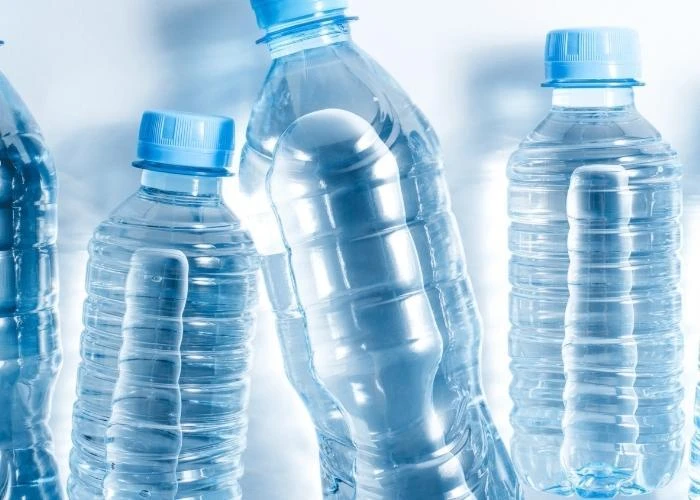
Every parent knows the routine: packing lunches, grabbing a quick drink after soccer practice, and making sure the kids stay hydrated during a long car ride. For years, plastic-bottled water was the ultimate convenience. It was the “healthy” alternative to sugary sodas and juice boxes. But lately, if you spend any time in wellness circles or parenting groups, the conversation has shifted. It’s no longer just about what’s in the water — like minerals or pH levels — it’s about what the water is in.
Microplastics have moved from a niche environmental concern to a primary dinner-table topic. We see the headlines about plastic in the deepest parts of the ocean and at the peaks of the highest mountains. But for many families, the real concern is much closer to home. Recent studies have shown that bottled water contains significantly higher concentrations of nanoplastics and microplastics than we previously thought.
This isn’t about being “alarmist.” It’s about making informed choices for the long-term health of our homes. As we learn more about how these tiny particles interact with our bodies, families are starting to rethink the convenience of the plastic crinkle.
What Exactly Are Microplastics?
To understand why families are pivoting, we have to look at what we are actually dealing with. Microplastics are tiny plastic fragments, usually defined as being less than five millimeters long. Even smaller are nanoplastics, which are so small that they can pass directly from the intestines and lungs into the bloodstream.
These particles don’t just appear out of nowhere. They are the result of larger plastic items breaking down over time due to heat, light, and mechanical stress. When you twist the cap on a plastic water bottle, the friction alone can shed thousands of tiny particles into the liquid. If that bottle has been sitting in a warm garage or a hot car, the structural integrity of the plastic weakens, leading to even more leaching.
The Shift Toward Glass and Heritage Brands
Because of these concerns, there is a massive resurgence in glass-bottled options. Glass is chemically inert, meaning it doesn’t react with the liquid inside or shed synthetic particles into your drink. It preserves the flavor and purity of the water exactly as it was at the source.
For those looking to upgrade their home hydration, choosing a premium Italian still mineral water like Chiarella offers a sophisticated, plastic-free way to enjoy high-quality minerals. This shift means you’re avoiding the “bad stuff” and embracing a better sensory experience.
Many families find that once they make the switch to glass, the “plastic taste” they never noticed before becomes glaringly obvious. It’s a return to a more traditional, intentional way of consuming one of our most basic necessities.
Why Plastic Is No Longer the Easy Choice
Convenience used to be the only metric that mattered. But for the modern, health-conscious family, “convenience” now comes with a side of hesitation. We have to ask ourselves: Is the ease of a disposable bottle worth the potential biological trade-off?
The Heat Factor
We’ve all done it — left a case of water in the trunk during a summer heatwave. When plastic is exposed to heat, the chemical bonds begin to degrade. This releases microplastics and causes the leaching of phthalates and bisphenols (such as BPA and its many substitutes). These chemicals are known endocrine disruptors, which can interfere with the body’s natural hormonal signaling. For growing children, whose systems are highly sensitive to hormonal inputs, this is a major concern for parents.
The “Aged” Water Issue
Water in plastic bottles often has a very long shelf life. However, the longer water sits in a plastic container, the more time it has to interact with the packaging. Unlike glass, which can hold a liquid for years without changing its composition, plastic is porous on a microscopic level. It can absorb odors from the environment and, conversely, shed its own chemical signature into the water.
Practical Steps for a Plastic-Free Routine
Transitioning away from plastic-bottled water doesn’t have to happen overnight. It’s about building better habits that stick. Here is how many families are making the change without losing their minds:
- Invest in Quality Reusables: Get everyone in the family a high-quality stainless steel or glass water bottle. Let the kids pick their colors so they feel a sense of ownership.
- Home Filtration: If your tap water quality is a concern, a high-quality under-sink or countertop filter can remove many impurities. This makes it easy to “fill and go” without reaching for a disposable bottle.
- Stock the Pantry with Glass: For times when you want the crispness of bottled mineral water — or for hosting guests — keep a stash of glass-bottled water in the pantry. It looks better on the table and tastes significantly cleaner.
- Avoid the “Hot Bottle”: If you must use plastic, never drink from a bottle that has been exposed to high temperatures.
The Environmental Ripple Effect
While health is often the primary driver for families, the environmental impact is a powerful secondary motivator. We know that only a small percentage of plastic bottles actually get recycled. Most end up in landfills or as litter, where they take hundreds of years to break down, eventually turning into — you guessed it — more microplastics in our soil and waterways.
By choosing glass or reusable options, families are teaching the next generation about sustainability through action. It’s a way to show children that our daily choices have a direct impact on the world they will inherit.
Pure Water, Pure Intentions
At the end of the day, water should be the simplest thing we consume. It shouldn’t come with a list of “maybes” and “what-ifs.” Rethinking plastic-bottled water is about reclaiming that simplicity. It’s about ensuring that when we give our children a drink of water, we give them exactly what they need and nothing more.
The move toward glass-bottled water and better filtration is more than just a trend. It’s a return to quality. It’s a realization that some of the “advancements” of the 20th century — like cheap, ubiquitous plastic — might not be the best fit for a healthy 21st-century home.
FAQs
Yes. Several studies have detected microplastics and nanoplastics in bottled water, often at higher levels than in typical tap water samples.
Microplastics are tiny plastic particles smaller than five millimeters that can enter food and drinks, raising concerns about potential long-term health effects.
Yes. Exposure to high temperatures can weaken plastic bottles, increasing the release of microplastics and certain chemical compounds into the water.
Glass is chemically inert and does not shed microplastics, which is why many families prefer it for storing and consuming drinking water.
They can. Stainless steel or glass reusable bottles reduce reliance on disposable plastic bottles and lower potential microplastic exposure.
Many people notice a difference because plastic can subtly affect flavor, while glass containers tend to preserve the natural taste of water.
Common strategies include using home water filtration systems, carrying reusable bottles, and choosing glass-bottled options when buying bottled water.
Children’s bodies are still developing, which is why some parents choose to minimize exposure to substances like phthalates and bisphenols.
Yes. Reducing disposable plastic bottle use helps decrease landfill waste and limits the amount of plastic that eventually breaks down into microplastics.
Not necessarily. Many households simply reduce usage and avoid situations where bottles are exposed to heat or stored for long periods.