Safety should come first before anyone starts work with a crimp tool. These tools play a key role in electrical and mechanical projects, but they can cause accidents if used carelessly. Knowing the right safety steps helps prevent injury and improve the quality of each connection.
This article explains the basic habits that support safe and accurate crimping. It focuses on proper protective gear, careful tool inspection, correct tool selection, stable workspace setup, and simple checks that confirm strong wire connections. Each tip helps users work more confidently and produce consistent results.
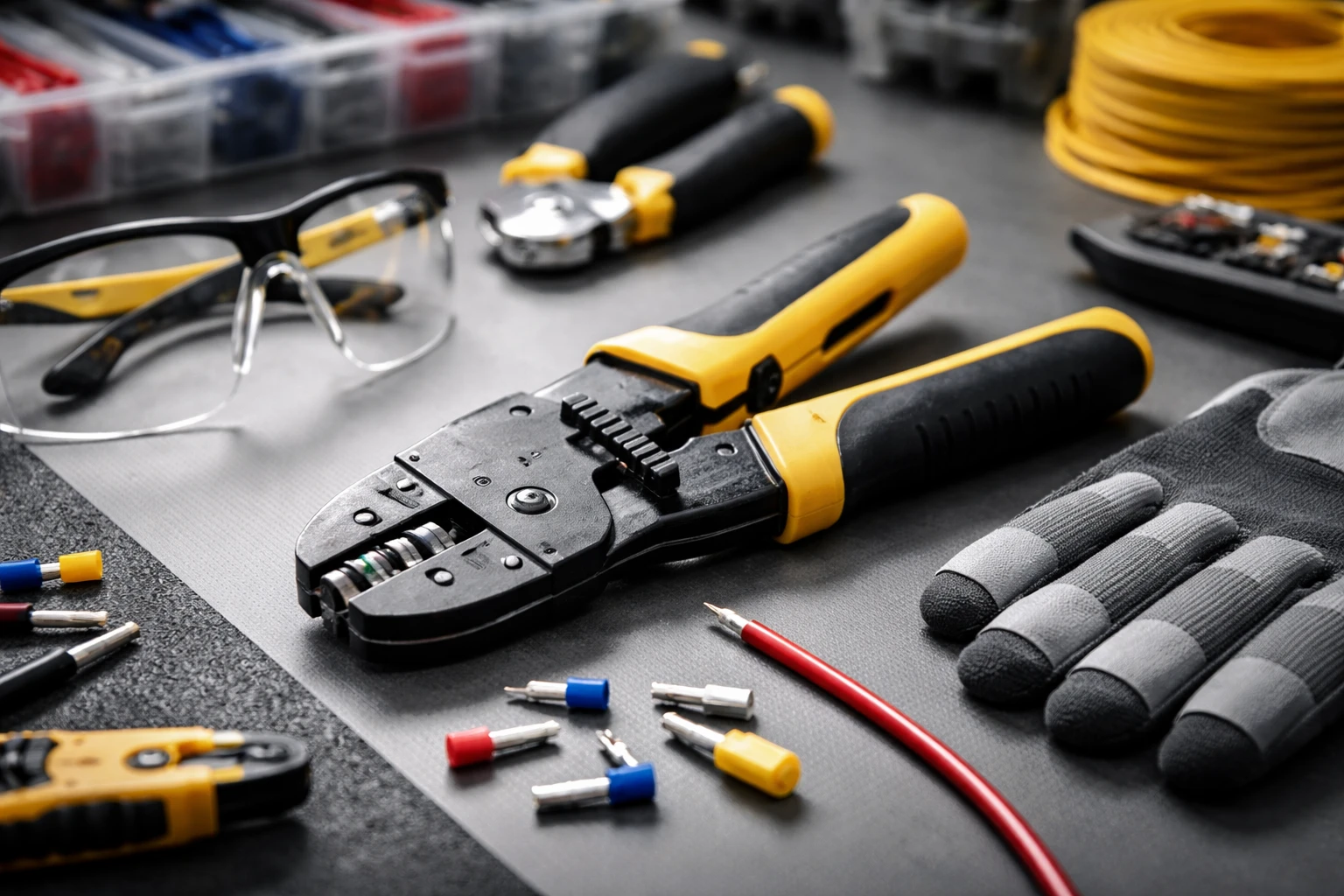
Always wear safety glasses and gloves to protect your eyes and hands
Users should always keep their eyes and hands covered before using crimp tools from VEVOR. These tools apply pressure that could send small wire fragments or metal pieces into the air. Safety glasses help block those particles and prevent scratches or infections.
Protective gloves also play a key role. They reduce the risk of cuts from sharp wires and keep hands safe from accidental pinches. In addition, gloves help keep a steady grip on the tool, which improves handling and accuracy.
Each pair of safety glasses should fit closely to the face without blocking side vision. The lenses need regular cleaning to stay clear of dust or debris. Gloves should fit well so fingers can move without slipping.
Following these simple steps helps users stay safe and confident every time they crimp wires or terminals.
Inspect the crimping tool for damage before each use
Before starting any task, users should check the crimping tool for wear or damage. A quick visual check helps find cracks in the handles, bent dies, or loose joints. Even small defects can affect how well the tool grips and compresses materials.
They should test the handles to confirm smooth movement and check that the ratchet mechanism locks and releases properly. If the tool feels stiff or uneven, it may need adjustment or repair. This step helps prevent tool failure during use.
It is also smart to look for rust or dirt buildup. Wiping the surfaces with a dry cloth keeps parts free of debris. Clean tools not only last longer but also maintain consistent performance.
Proper inspection builds good habits that improve safety and work quality. By taking a few minutes to check the tool before each job, users reduce the chance of errors and keep their equipment in better condition.
Use the correct crimping tool designed for the specific wire gauge and terminal type
Each crimping tool is built to match certain wire gauges and terminal types. The fit matters because a tool that does not match the wire size or connector can cause weak joints or even damage the wire. A proper match helps form a secure electrical connection.
Users should check the markings on both the tool and the crimp terminal before starting a job. A mismatch can lead to gaps or loose crimps that may increase resistance or heat under load. Therefore, matching the right tool to the wire gauge prevents these risks and keeps the connection safe.
Some tools handle multiple wire sizes, while others serve a narrow range. It helps to know whether the connection uses insulated or non‑insulated terminals, as the dies differ slightly. By taking a few moments to verify compatibility, users protect both their work and their safety.
Work on a stable, well-lit surface to maintain control and accuracy
A solid, flat surface helps prevent any movement that could cause slips or uneven crimps. The tool must sit firmly so it does not shift during use. A stable base also supports better precision, which reduces the chance of error or injury.
Good lighting allows the user to see wire placement, connector alignment, and any defects before completing a crimp. Poor lighting can hide small gaps or misaligned parts that weaken the connection. Bright, even light supports accuracy and reduces strain on the eyes.
Clear work areas improve safety as well. Loose materials or cables on a bench can cause objects to slip or tip. Therefore, the surface should stay clean, dry, and free of clutter so each task proceeds smoothly and safely.
Gently tug crimped wires to guarantee secure connections before finalizing
Before confirming any crimped connection, it helps to give the wire a light yet firm pull. This quick check helps detect loose crimps that could cause the wire to slip out later. A secure crimp should feel tight and resist gentle force without movement.
Testing each connection this way also helps confirm that the metal inside the connector has properly compressed against the wire strands. If the wire pulls free or shifts easily, the crimp likely needs to be redone. Removing and repeating the crimp process takes little time and prevents later issues.
In addition, this check can prevent electrical resistance that results from a weak bond. A poor crimp may cause heat buildup or fluctuating current, both of which can damage equipment. Therefore, a simple tug test helps users verify firmness and dependability before continuing work on larger electrical projects.
Conclusion
Safe work with crimp tools depends on steady habits, proper inspection, and careful use. Each task should begin with checking the tool for wear or damage. A quick look before use prevents accidents and poor connections.
Protective gear such as gloves and safety glasses should always be part of the process. These small steps guard the user from injuries that could occur from slips or debris.
Users should keep the workspace clean and dry to avoid hazards. Proper storage also extends the life of the tool and keeps performance steady.
By following these simple precautions, anyone can handle crimp tools with confidence and achieve consistent, secure results every time.
FAQs
Crimp tools apply strong pressure, and improper use can cause injuries or faulty electrical connections. Following safety practices helps prevent accidents and ensures reliable results.
Users should wear safety glasses to protect their eyes from flying debris and gloves to prevent cuts or pinched fingers while handling wires and terminals.
A crimping tool should be inspected before each use to check for cracks, bent dies, rust, or loose parts that could affect safety or performance.
Using the wrong tool can create weak or loose connections that may cause electrical resistance, overheating, or connection failure.
Proper lighting helps users clearly see wire placement and connector alignment, reducing mistakes and improving the accuracy of each crimp.
The tug test involves gently pulling the wire after crimping to confirm that the connection is secure and the wire will not slip out of the terminal.
No, damaged tools should not be used because they can produce unreliable crimps and increase the risk of injury or equipment failure.
A stable surface prevents slipping or uneven pressure during crimping, which helps maintain accuracy and reduces the chance of accidents.
Regular cleaning, proper storage, and routine inspection help keep crimp tools in good condition and ensure consistent performance.
The user should remove the connector and repeat the crimping process with the correct tool and wire size to ensure a secure connection.