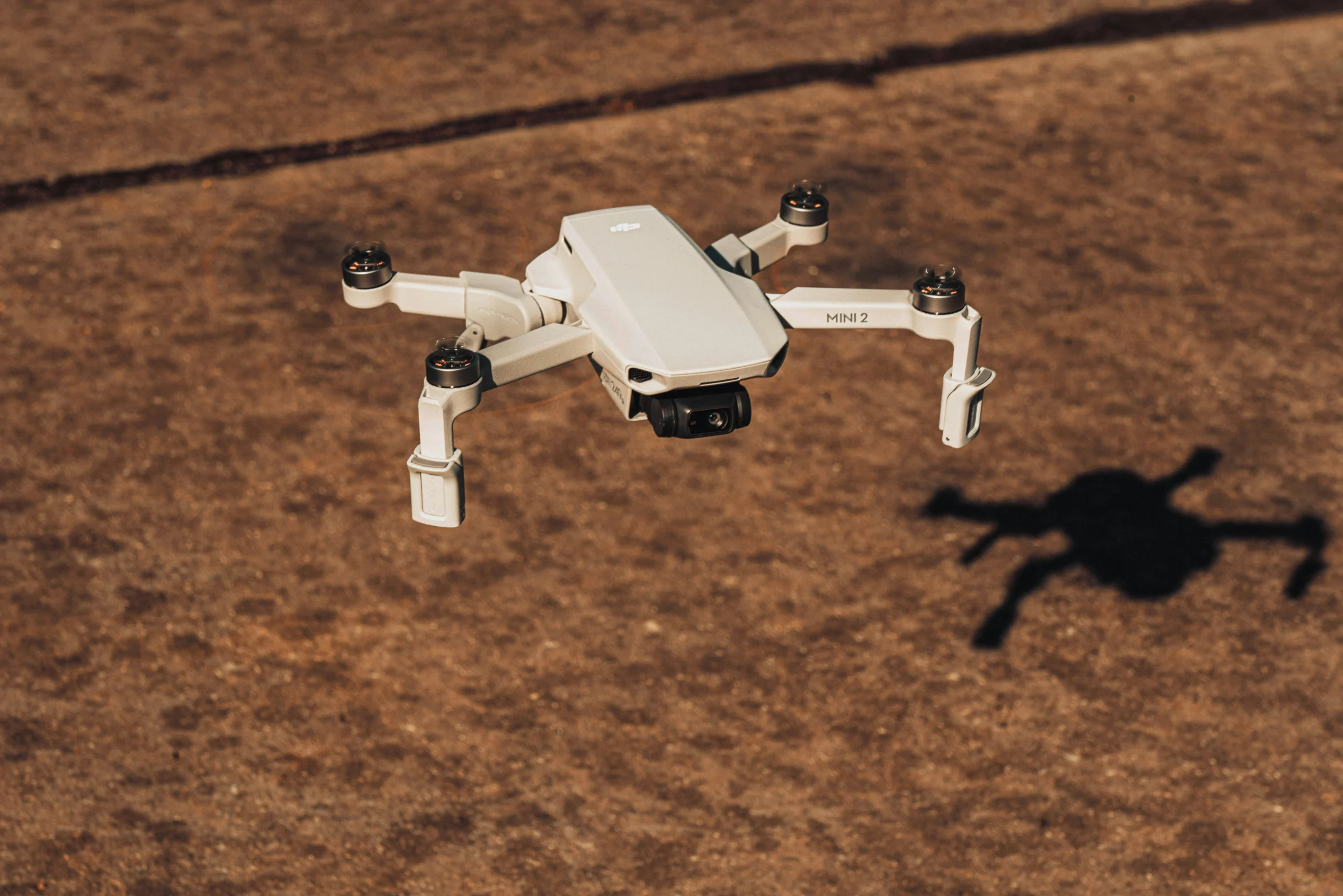
Precision agriculture demands more than just a quick aerial view from a hobbyist quadcopter. Modern farmers require actionable thermal and multispectral data to optimize crop yields and significantly reduce chemical waste. The introduction of advanced UAV technology transforms standard field inspections into highly scientific, easily repeatable assessments.
Detecting hidden irrigation leaks or crop diseases early can save thousands of dollars per growing season. Utilizing commercial UAVs ensures agricultural operations remain competitive by maximizing farm efficiency and crop yield optimization year-round.
How Should Pilots Prepare the Hardware Before Flight?
Preflight checks prevent midair failures and ensure consistent data collection across large agricultural plots. Why risk the payload over easily preventable errors? Conducting a comprehensive preflight checklist ensures the enterprise drone operates safely and captures precise photogrammetry data. Key hardware inspection steps include:
Checking Battery Voltage
Cold weather significantly impacts overall flight times by causing sudden voltage drops. Warming smart batteries before takeoff ensures reliable power delivery to the ESCs. Always verify cell balance within the flight application to prevent unexpected power loss while mapping distant corners of an agricultural property.
Updating Firmware Versions
Unplanned firmware geofencing restrictions repeatedly ground many agricultural flights unexpectedly. Regularly syncing the remote controller and aircraft to the latest software prevents midair communication errors. Performing these software updates over a stable internet connection effectively prevents corrupted files from interfering with advanced obstacle avoidance systems.
Managing Payload Settings
Configuring precise sensor parameters directly impacts photogrammetry accuracy. Setting the gimbal pitch to true nadir (straight down) ensures optimal image overlap for generating distortion-free orthomosaic maps. Calibrating the multispectral lenses over a reflective panel prior to launch produces mathematically accurate vegetation indices suitable for precise variable rate fertilizer applications.
Why Choose High-Resolution Thermal Imaging for Crop Health?
Identifying moisture stress before visible wilting occurs saves entire harvests. Deploying a reliable DJI Matrice 4T drone from authorized experts at Talos Drones ensures absolute precision during these thermal mapping missions. Radiometric sensors pinpoint exact temperature anomalies across vast acreage in minutes.
Many operators misunderstand how thermal payloads function during high noon. A common myth suggests high sun provides the best thermal contrast, but solar loading actually obscures delicate plant signatures. Flying early morning or late evening yields accurate telemetry and prevents sun glare from ruining the data.
What Regulatory Requirements Impact Agricultural Operations?
Flying commercial UAVs requires strict adherence to national airspace regulations everywhere. Maintaining a Visual Line of Sight strictly remains a fundamental requirement unless an operator actively secures specific waivers for extended operations. Checking restricted zones diligently ensures flights do not interfere with nearby regional airports or military bases.
Agricultural pilots frequently operate dangerously close to crop dusters or helicopters. Adhering to FAA Part 107 regulations ensures legal compliance and maintains a safe airspace for manned aircraft. Implementing standard aviation safety protocols mitigates legal liability and prevents costly fines while capturing agricultural mapping data.
Where Does Data Processing Fit Into Farm Management?
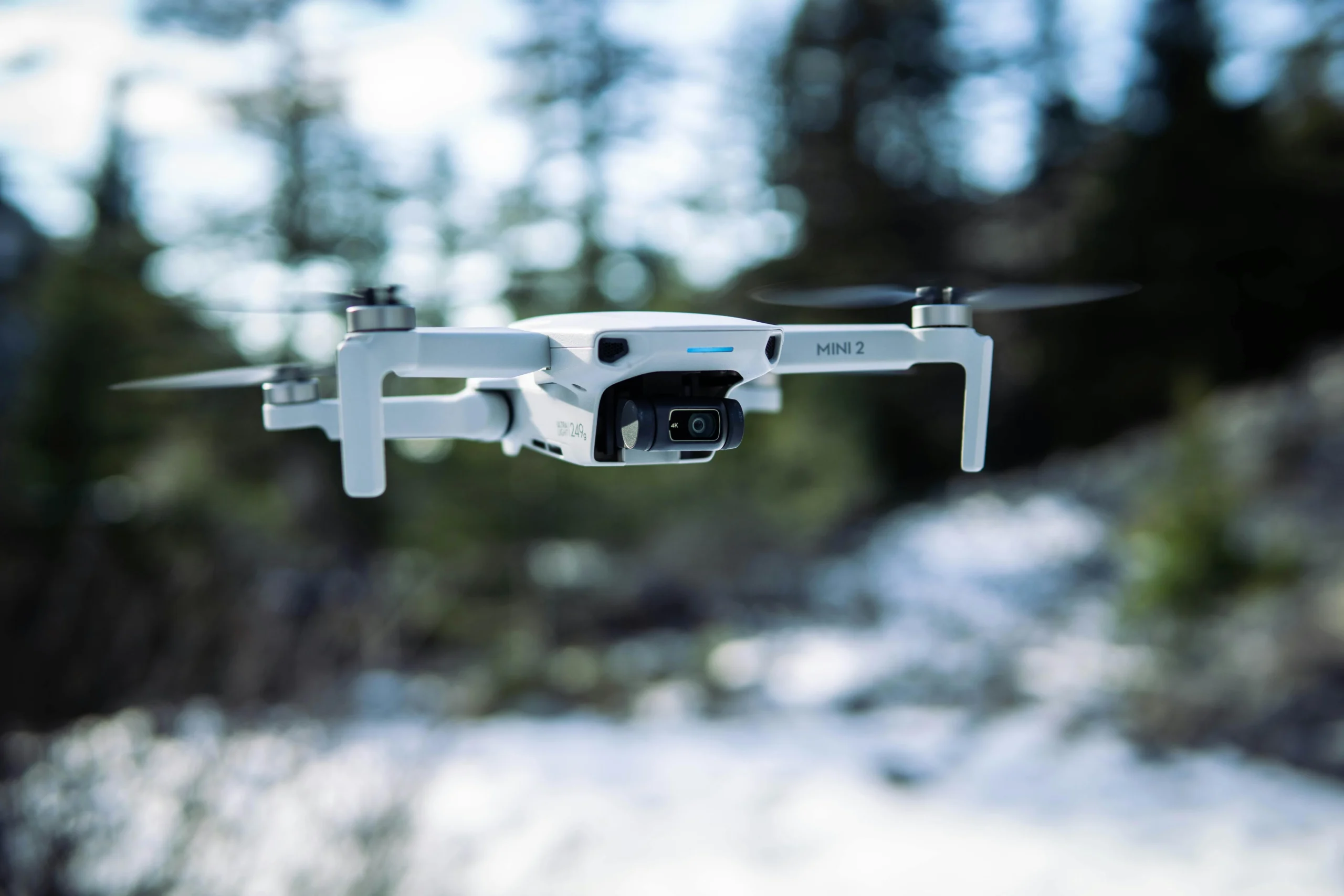
Raw aerial imagery requires advanced photogrammetry software for accurate agricultural analysis. Processing and stitching high-resolution photos transforms raw data into actionable topographic maps. Here is a closer look at the elements involved:
Creating Orthomosaic Maps
Specialized processing software meticulously aligns hundreds of individual overlapping images. This automated procedure seamlessly generates an extremely detailed flat representation of the surveyed fields. Farmers instantly gain a completely accurate visual baseline for accurately measuring total crop acreage and identifying large-scale drainage problems quickly.
Generating Vegetation Indices
Generating Normalized Difference Vegetation Index (NDVI) maps rapidly identifies specific crop zones requiring variable-rate fertilizer application. Physical verification of these digital findings effectively confirms the absolute accuracy of the aerial survey. This immediate feedback loop successfully allows farm managers to apply costly resources where crops need them.
Exporting Actionable Shapefiles
Exporting the processed field data into universal shapefiles ensures seamless compatibility with modern tractor displays. Uploading these prescription maps directly to farming equipment completely automates the distribution of targeted agrochemicals. This streamlined technological integration physically prevents wasteful overspraying while safely protecting the surrounding local environment.
Questions About a DJI Matrice 4T Drone for Farm Surveys
How does wind resistance affect survey accuracy?
High winds destabilize the camera gimbal, causing blurry images and significant overlapping errors in the final composite map. Waiting for calm weather conditions ensures precise image stitching and prevents the drone motors from working excessively hard, which rapidly drains battery life.
What happens if magnetic interference occurs near farm equipment?
Large metal silos, tractors, or metallic barns actively disrupt the onboard compass, causing erratic flight behavior midair. Always calibrate the compass in an open field far away from heavy machinery to resolve this common navigational issue permanently.
Why do operators need neutral density filters for agricultural mapping?
Bright midday sunlight typically causes overexposure and completely washes out subtle crop details. Attaching appropriate neutral density filters slows the shutter speed mechanically, delivering balanced exposure and distinctly sharper images for accurate multispectral analysis.
When is the best timeto capture thermal field data?
Early morning, before sunrise, remains the optimal window for thermal imaging. The uniform cool temperatures provide maximum contrast against actively transpiring plants, preventing ambient solar heat from masking the vital temperature differences across the soil.
FAQs
It combines thermal and multispectral imaging, allowing farmers to detect crop stress, irrigation issues, and soil variability with high precision.
Preflight checks should be done before every flight to ensure safe operation and consistent, high-quality data capture.
Proper battery monitoring prevents sudden power loss mid-flight, especially in cold conditions that reduce battery efficiency.
Yes, updated firmware prevents communication errors, geofencing issues, and ensures optimal performance of onboard systems.
A properly calibrated gimbal ensures images are captured at the correct angle, which is essential for accurate map stitching.
Yes, thermal sensors can identify moisture stress and disease early by detecting temperature variations in plants.
Operators must comply with aviation rules like maintaining visual line of sight and avoiding restricted airspace.
Raw images must be processed into maps and indices to provide actionable insights for farm management decisions.
NDVI is a vegetation index that highlights plant health, helping farmers target specific areas for treatment.
Shapefiles allow farmers to upload survey data into equipment systems, enabling precise and automated application of resources.