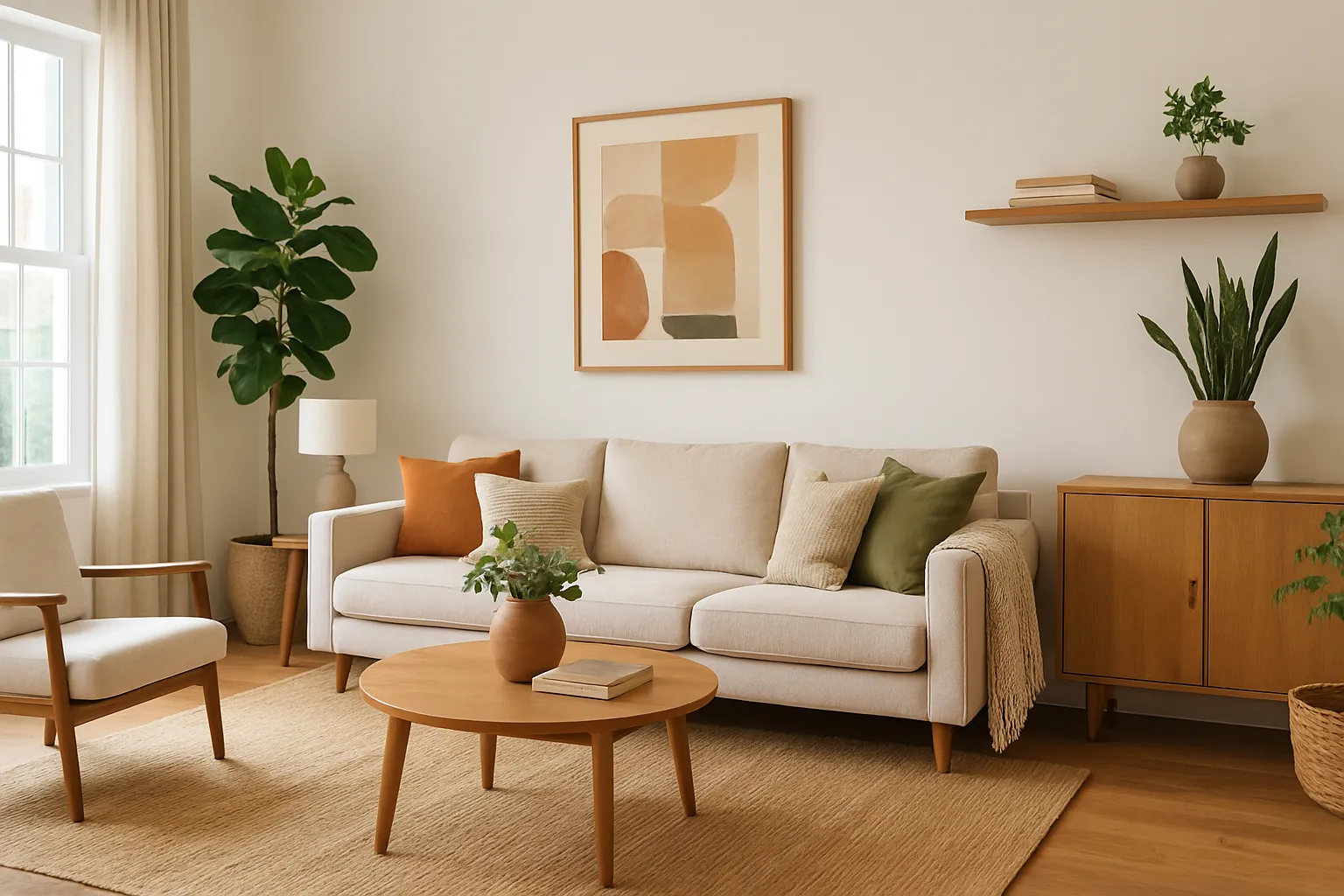
Home decor ideas aren’t just about making a space look good. They shape how a home feels when you walk in after a long day. They influence your mood, your focus, and even how relaxed you feel sitting on the couch at night. I’ve learned this the hard way—by living in rooms that looked “fine” but never felt right. The good news? You don’t need a renovation budget or a design degree. You need intention, restraint, and a handful of smart home decor ideas that actually work.
This guide is practical. No fluff. No trendy nonsense you’ll regret in six months. Just real-world ideas you can apply room by room.
Start With a Vision, Not Furniture
Before you buy anything, pause.
Most decorating mistakes happen because people shop first and think later. A couch shows up. Then a rug. Then a lamp that doesn’t belong anywhere. Suddenly the room feels confused.
I always start with three questions:
- How do I want this room to feel?
- What do I already own that must stay?
- What function matters most here?
Once you answer those, your choices narrow fast.
Instead of chasing trends, build a simple style direction. Modern and warm. Clean but lived-in. Calm and textured. You don’t need a label—just a vibe.
Action step: Create a short list of “yes” and “no” items before shopping.
| Yes To | No To |
| Warm neutrals | Loud patterns everywhere |
| Natural textures | Tiny accent clutter |
| Timeless shapes | Ultra-trendy finishes |
This single step saves money and frustration.
Living Room Home Decor Ideas That Create Instant Impact
The living room does the heavy lifting. It hosts guests, movie nights, and random weekday lounging. Layout matters more than most people realize.
Start with furniture placement. Pull sofas slightly away from walls when possible. Create conversation zones. Let furniture face each other, not just the TV.
Then layer in decor with intention.
High-impact living room upgrades:
- One large area rug (not several small ones)
- A single statement art piece instead of many tiny frames
- Mixed textures: fabric, wood, metal, and glass
- Lighting at multiple heights—floor lamp, table lamp, overhead
Lighting alone can change everything. Swap harsh bulbs for warm light. Add dimmers if you can. Instant upgrade.
These home decor ideas work because they prioritize comfort and flow, not just looks.
Bedroom Decor Ideas for a Calmer, More Restful Space
Bedrooms should exhale.
If your bedroom feels busy, sleep suffers. I’ve seen this again and again. The fix isn’t removing personality—it’s editing.
Start with the bed. It’s the anchor.
Choose neutral bedding as a base, then layer texture through throws or pillows. Skip matching sets. They feel flat.
Nightstands deserve attention too. Keep them functional, not decorative museums.
What actually belongs on a nightstand:
- Lamp
- Book or journal
- One personal object
- Nothing else
Wall decor works best when it’s simple. A headboard, a single framed piece, or subtle wall sconces often beat gallery walls in bedrooms.
Among all home decor ideas, this one matters most here: calm beats clever.
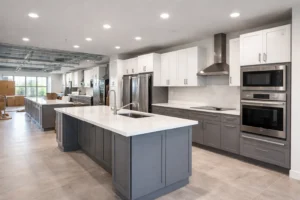
Kitchen and Dining Decor Ideas That Feel Lived-In
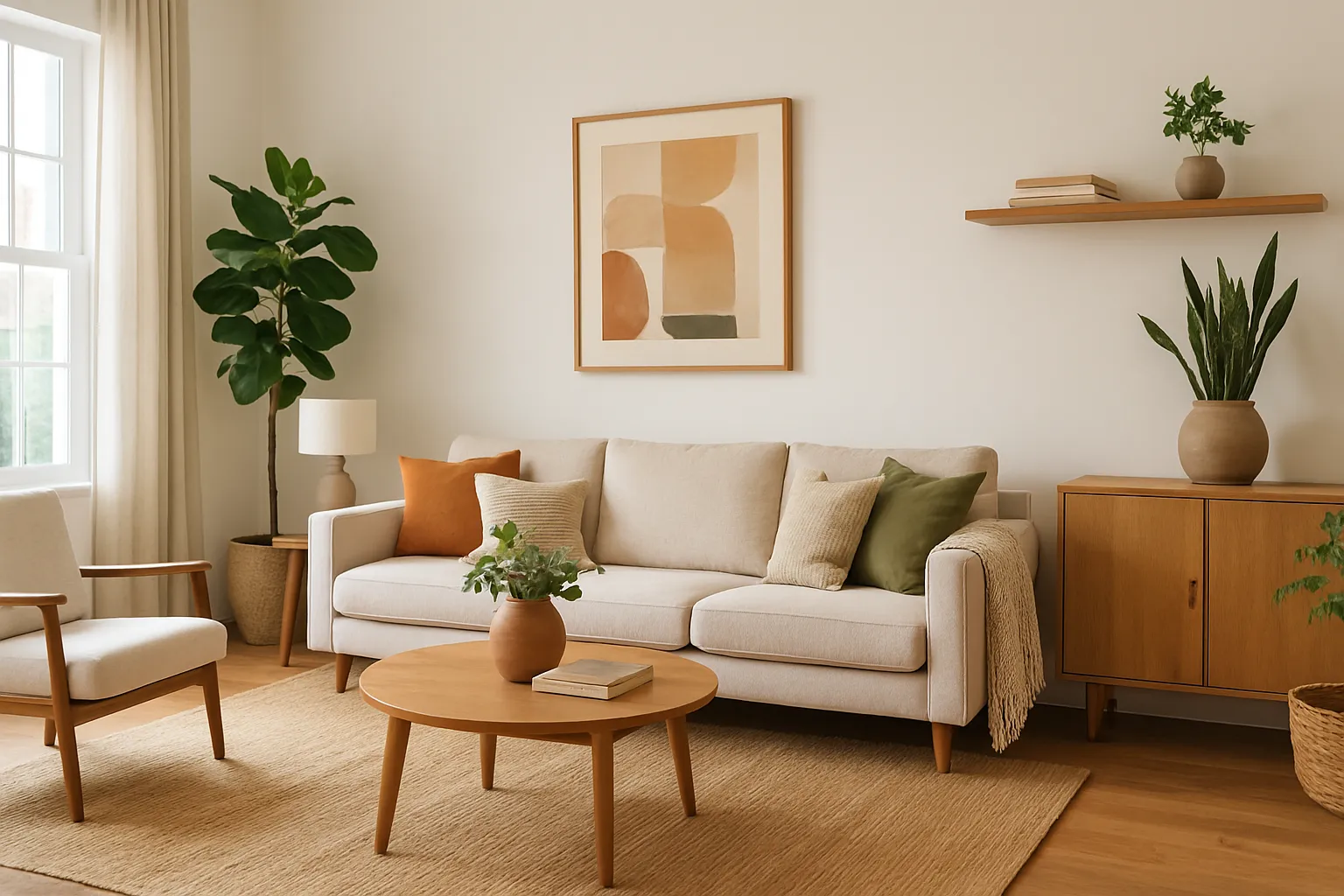
Kitchens don’t need to look staged. They need to feel used.
The biggest mistake? Overdecorating countertops. Leave breathing room.
Focus instead on a few intentional touches:
- A wood cutting board leaned against the backsplas
- A ceramic bowl for fruit
- One small plant near natural light
Open shelving can work, but only if you’re disciplined. Keep colors consistent. Repeat shapes.
Dining areas benefit from restraint too. Skip giant centerpieces. Go for something low and flexible.
Easy dining table decor options:
- Linen runner
- Simple vase with seasonal branches
- Group of candles in varying heights
These home decor ideas respect function while adding warmth.
Budget-Friendly Home Decor Ideas That Actually Work
Decorating doesn’t require overspending. It requires knowing where to invest.
I follow a simple rule: splurge on items you touch daily. Save on accents.
Smart swaps that make a difference:
- Change cabinet hardware
- Upgrade lampshades
- Replace throw pillows
- Add curtain panels higher and wider than the window
Thrift stores are goldmines—for mirrors, frames, and solid wood pieces. Just avoid anything trendy. Look for shape and quality.
DIY can work too, but only when it’s subtle. Painted planters? Yes. Faux distressing? No.
These home decor ideas stretch budgets without screaming “budget.”
Using Color, Texture, and Patterns Like a Designer
Color doesn’t have to mean bold paint. Often, it means restraint.
I like neutral walls with layered accents. It’s flexible and forgiving.
Texture does the heavy lifting:
- Wool
- Linen
- Wood
- Stone
- Leather
Patterns work best when mixed carefully. Change scale, not color.
For example:
- Large patterned rug
- Small patterned pillow
- Solid upholstery
Seasonal color updates keep things fresh without commitment. Swap pillows. Change throws. Rotate art.
This approach keeps home decor ideas adaptable year-round.
Wall Decor Ideas Beyond Basic Artwork
Blank walls feel unfinished. Overfilled walls feel chaotic.
The sweet spot sits in between.
Gallery walls work when there’s a plan. Lay them out on the floor first. Keep spacing consistent. Mix sizes, not styles.
Mirrors deserve more love. They reflect light and visually expand rooms. Place them opposite windows when possible.
Floating shelves are best when styled sparsely:
- One stack of books
- One sculptural object
- One organic element
Functional wall decor—hooks, rails, ledges—adds character while earning its place.
Among all home decor ideas, wall treatments offer the highest visual return for the least effort.
Small Space Home Decor Ideas for Apartments and Tight Layouts
Small spaces demand discipline. Every piece must earn its spot.
Multi-purpose furniture wins. Storage ottomans. Nesting tables. Wall-mounted desks.
Vertical space is your secret weapon. Tall shelves draw the eye up and make rooms feel larger.
Visual tricks that help small spaces:
- Light-colored walls
- Leggy furniture
- Sheer curtains
- Large mirrors
Decluttering is decor. Fewer items mean each one matters more.
These home decor ideas are especially powerful for renters and urban living.
Finishing Touches That Pull Everything Together
This is where rooms become homes.
Plants add life instantly. Even one makes a difference. If you struggle with care, start with snake plants or pothos.
Scent matters more than people admit. Candles. Diffusers. Fresh air.
Sound matters too. Soft music. Fabric that absorbs noise. Calm isn’t visual alone.
When styling surfaces, stop before it feels finished. Negative space is part of the design.
I regularly remove items. Editing is ongoing.
The best home decor ideas evolve with you.
Common Home Decor Mistakes to Avoid
I’ve made all of these. Learn from me.
- Buying matching furniture sets
- Ignoring scale (tiny rug, giant room)
- Chasing trends instead of comfort
- Decorating every surface
- Forgetting how the room is actually used
Function should always come first. Always.
Creating a Home That Feels Like You
Great homes aren’t built in a weekend. They’re layered slowly.
Start small. Move things around. Live with changes before adding more.
The most successful home decor ideas aren’t flashy. They’re thoughtful. They reflect real life, not showroom perfection.
Your home should support you. Calm you. Welcome you back.
That’s the goal. Everything else is just decoration.
FAQs
Start with lighting, textiles, and furniture layout, as these changes create immediate impact without major expense.
Most homes benefit from small seasonal updates, while larger decor changes usually work best every few years.
Yes, many home decor ideas focus on removable, non-permanent updates like rugs, lighting, and wall art.
Begin with neutral tones you enjoy, then layer accent colors through pillows, art, and accessories.
Using mirrors, lighter colors, and furniture with visible legs can make rooms feel more open.
If surfaces feel crowded or cleaning becomes difficult, it’s usually a sign to remove a few items.
Rooms should feel connected, but each space can have subtle variations based on its function.
Trends can inspire accents, but timeless pieces work better for core furniture and layout.
Focus spending on high-use items and refresh rooms with affordable accessories like throws and lamps.
Regular editing and rotating decor helps maintain balance and keeps spaces feeling intentional.