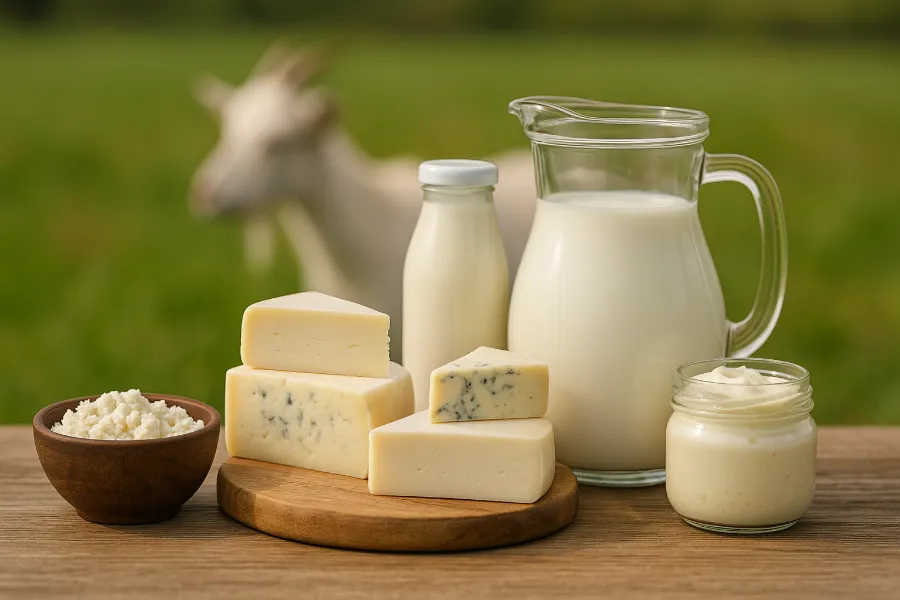
When I started my homesteading journey, I made one of the best decisions of my life — adding dairy goats to the family. Fresh milk every morning, creamy cheese cooling in the kitchen, and soap batches curing on the counter — all thanks to these beautiful, productive animals. But if there’s one lesson I’ve learned, it’s that not all goats are created equal.
If you’re serious about goat milk production, choosing the best dairy goats can make or break your success. Some breeds give gallons of milk a day, others produce smaller amounts with rich, high-fat cream perfect for cheese, butter, or soap. In this post, I’ll walk you through my personal list of the best milking goats in the world — ranked, compared, and tested through hands-on experience.
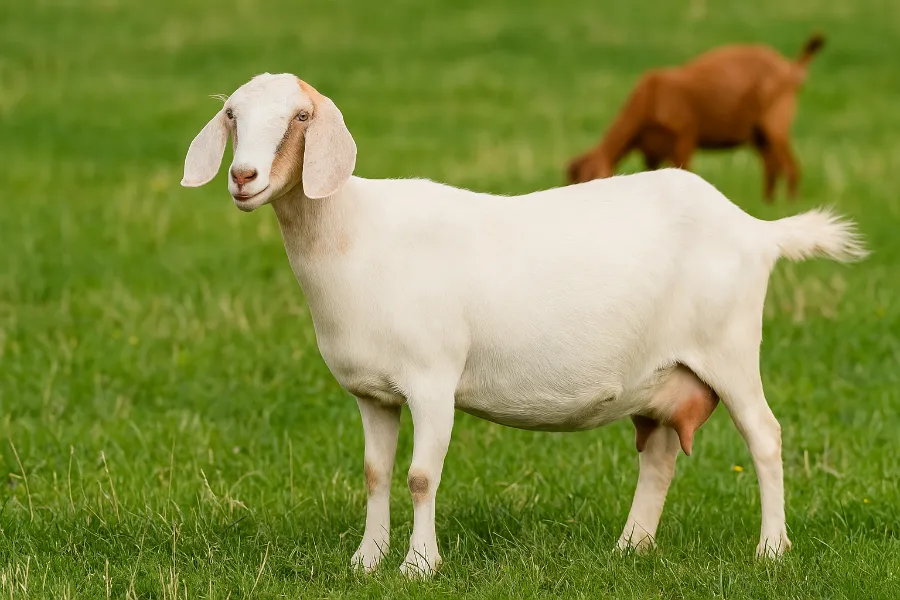
Best Milking Goats: My Top 10 Breeds Ranked
Every goat on this list earns its spot for a reason — either for volume, butterfat, or versatility. Here’s how I rank the best goats for milk on the homestead, from my own barnyard notes and years of trial and triumph.
1. Saanen — The Queen of Volume
Origin: Switzerland
Average Yield: 1,800–3,000+ lbs per lactation
Butterfat: 3.0–3.5%
If you want a reliable powerhouse, the Saanen is the breed to beat. My Saanen doe, Daisy, could outmilk every goat I owned — easily filling buckets twice a day with creamy, mild-tasting milk.
They’re big, gentle, and thrive on consistent feeding routines. Their milk might not be the richest in fat, but you’ll never run short in supply.
Preferred Diet: Alfalfa hay, dairy grain, and clean water — they love routine and balanced minerals.
Best Milk Uses: Fluid milk, yogurt, and soft cheeses.
Pros:
- High volume
- Docile temperament
- Great for commercial or homestead dairies
Cons:
- Sensitive to heat
- Lower butterfat than Nubians
2. Alpine — The Hardy All-Rounder
Origin: French Alps
Average Yield: 1,500–2,500 lbs
Butterfat: 3.4–3.8%
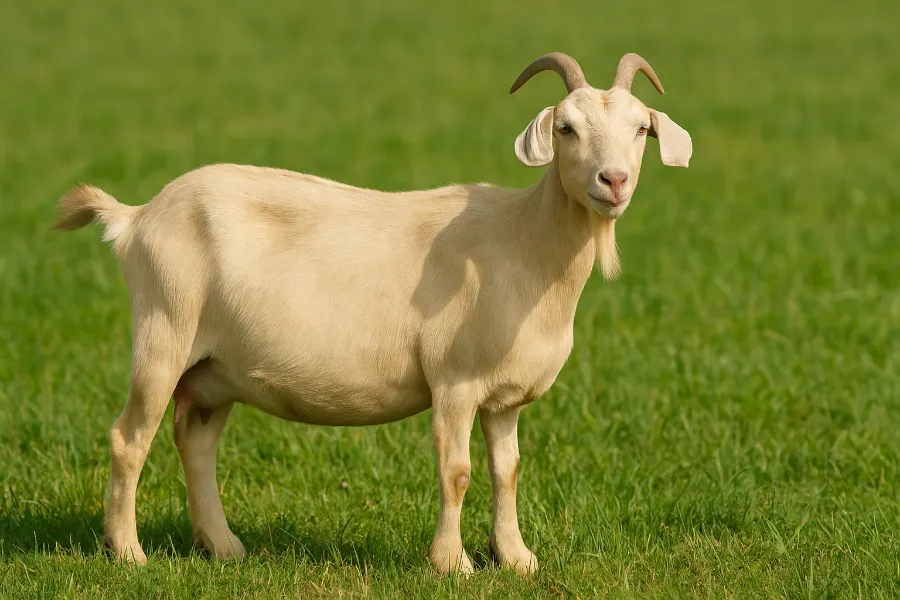
Alpines are the workhorses of goat milk production. They adapt beautifully to any environment — from cool mountain regions to sunny pastures. They’re alert, curious, and strong-willed, which I’ve come to love (and occasionally wrestle with).
Their milk has a clean flavor and balanced composition — ideal for both drinking and cheesemaking.
Preferred Diet: Pasture forage, grass hay, and moderate dairy grain.
Best Milk Uses: Everyday milk, yogurt, and semi-soft cheeses.
Pros:
- Consistent milkers
- Adaptable and resilient
- Balanced milk composition
Cons:
- Can be jumpy if not handled early
- Require secure fencing (they’re clever)
3. LaMancha — Quiet and Creamy
Origin: United States
Average Yield: 1,500–2,300 lbs
Butterfat: 3.8–4.5%
My LaManchas stole my heart the first week I brought them home — not because of their famous short ears, but because they’re so calm. They practically melt into your arms while you milk them.
LaMancha milk is smooth, slightly sweet, and rich enough for most cheesemaking projects.
Preferred Diet: Alfalfa, orchard grass, and dairy grain blend.
Best Milk Uses: Yogurt, butter, and aged cheese.
Pros:
- Gentle and quiet
- Excellent butterfat content
- Long lactation cycles
Cons:
- Unique ear shape can be a challenge for ID tagging
- Moderate production compared to Saanen
4. Nubian — The Butterfat Champion
Origin: Britain (with African and Middle Eastern roots)
Average Yield: 1,000–2,000 lbs
Butterfat: 4.5–5.5%
If your goal is rich, creamy milk for homemade ice cream or butter, Nubians are your best friend. My Nubian doe, Hazel, produces milk so thick and flavorful it could pass for half-and-half.
They’re chatty, affectionate, and love human attention. Nubians also handle hot climates better than most Swiss breeds.
Preferred Diet: Browse-heavy diet — shrubs, vines, and legumes with supplemental grain.
Best Milk Uses: Cheese, butter, and goat milk for soap making.
Pros:
- Highest butterfat
- Dual-purpose (milk and meat)
- Great heat tolerance
Cons:
- Loud and opinionated
- Lower volume than Saanens
5. Toggenburg — The Cheesemaker’s Goat
Origin: Switzerland
Average Yield: 1,500–2,200 lbs
Butterfat: 3.0–3.7%
Toggenburgs have earned their reputation among cheesemakers. Their milk has strong protein levels and mild flavor — perfect for firm and semi-hard cheeses.
I’ve found them to be steady milkers that don’t fluctuate much through the season.
Preferred Diet: High-quality hay and a consistent feed schedule.
Best Milk Uses: Cheddar, alpine-style cheeses, and yogurt.
Pros:
- Consistent yield
- Protein-rich milk for cheese
- Hardy and resilient
Cons:
- Average fat content
- Prefer cooler climates
6. Murciana-Granadina — Spain’s Dairy Gem
Origin: Spain
Average Yield: 1,400–2,000 lbs
Butterfat: 4.0–5.3%
The Murciana-Granadina is a Mediterranean beauty. These goats handle hot, dry environments while producing rich, flavorful milk high in solids — a cheesemaker’s dream.
Preferred Diet: Dry forage, shrubs, and minimal concentrates.
Best Milk Uses: Yogurt, queso fresco, and feta-style cheese.
Pros:
- High butterfat and protein
- Thrives in heat
- Efficient grazers
Cons:
- Hard to find in the U.S.
- Moderate volume
7. Oberhasli — The Gentle All-Rounder
Origin: Switzerland
Average Yield: 1,200–2,000 lbs
Butterfat: 3.5–4.0%
Oberhaslis are one of my favorites for family farms — gentle, trainable, and easy to milk. Their milk has a mild, pleasant taste with enough fat to make great yogurt and cheese.
Preferred Diet: Pasture, alfalfa, and moderate grain.
Best Milk Uses: Drinking milk, yogurt, and soft cheeses.
Pros:
- Calm and friendly
- Good butterfat balance
- Adaptable
Cons:
- Moderate production
- Fewer breeders
8. Sable — The Sun-Ready Saanen
Origin: Switzerland
Average Yield: 1,600–2,600 lbs
Butterfat: 3.0–3.5%
The Sable goat is like the Saanen’s colorful cousin. They have all the production potential of their white relatives but with the bonus of being more sun-tolerant.
Preferred Diet: Alfalfa and balanced dairy grain.
Best Milk Uses: Drinking milk and soft cheeses.
Pros:
- High milk yield
- Better heat tolerance
- Docile temperament
Cons:
- Average butterfat
- Fewer breeders available
9. Nigerian Dwarf — Small Goat, Big Butterfat
Origin: West Africa
Average Yield: 400–1,200 lbs
Butterfat: 6–8%
If you have limited space or want ultra-rich milk for handmade soap, Nigerian Dwarfs are the best-kept secret in the dairy world. Despite their small size, their milk is dense, sweet, and loaded with butterfat.
Preferred Diet: Shrubs, weeds, and light grain.
Best Milk Uses: Cheese, butter, and goat milk for soap making.
Pros:
- Highest butterfat of all breeds
- Great for small spaces
- Friendly and family-safe
Cons:
- Low total milk volume
- Small teats can be tricky to milk
10. Damascus (Shami) — The Heat Hardy Producer
Origin: Middle East (Syria and Lebanon)
Average Yield: 1,300–2,000 lbs
Butterfat: 3.5–4.5%
The Damascus goat, with its long face and reddish coat, is both unique and practical. It tolerates extreme heat and produces good-quality milk with a pleasant, rich flavor.
Preferred Diet: Brush, shrubs, and arid forage — thrives where others won’t.
Best Milk Uses: Drinking milk and semi-soft cheese.
Pros:
- Excellent heat resistance
- Dual-purpose breed
- Balanced milk solids
Cons:
- Large frame = higher feed needs
- Not widely available
Goat Milk Production: How Much Milk Can You Expect?
Milk production varies by breed, diet, and management — but here’s a quick look at what to expect from each of the best dairy goats:
| Breed | Average Daily Yield | Butterfat % | Milk Type |
|---|---|---|---|
| Saanen | 1–2 gallons | 3–3.5% | Mild, smooth |
| Alpine | 1–1.5 gallons | 3.4–3.8% | Balanced |
| LaMancha | 1–1.5 gallons | 3.8–4.5% | Creamy |
| Nubian | 0.75–1 gallon | 4.5–5.5% | Rich |
| Toggenburg | 1–1.5 gallons | 3–3.7% | Protein-rich |
| Murciana | 1–1.2 gallons | 4–5.3% | Dense, flavorful |
| Oberhasli | 1 gallon | 3.5–4% | Gentle taste |
| Sable | 1–2 gallons | 3–3.5% | Mild |
| Nigerian Dwarf | 0.5 gallon | 6–8% | Very rich |
| Damascus | 1–1.2 gallons | 3.5–4.5% | Balanced |
Feeding Dairy Goats: The Secret Behind Steady Milk
You can’t have top-notch milk without top-notch nutrition. The best dairy goats need a balanced diet that fuels both volume and butterfat.
Here’s what I feed mine:
- Forage first: Alfalfa or mixed grass hay makes up 70–80% of their diet.
- Grain during milking: A custom dairy mix rich in protein and energy.
- Minerals: Loose goat minerals (not blocks) for copper, selenium, and zinc.
- Water: Always fresh, always available — goats won’t drink dirty water.
Tip: Each goat has her own appetite. A Saanen may need 5 lbs of feed per day, while a Nigerian Dwarf thrives on half that. Adjust slowly and monitor body condition for balance.
Goat Milk Fat Percentage: Why It Matters
The goat milk fat percentage affects everything — taste, texture, and what you can make from it.
High-fat breeds like Nubians and Nigerian Dwarfs produce milk perfect for cheese, butter, and soap making. Lower-fat breeds like Saanens are best for fresh milk and yogurt.
If you want the creamiest milk possible, aim for anything above 4% fat. Anything under 3.5% is considered lean and better for fluid milk drinkers.
Goat Milk for Soap Making: Rich, Natural, and Nourishing
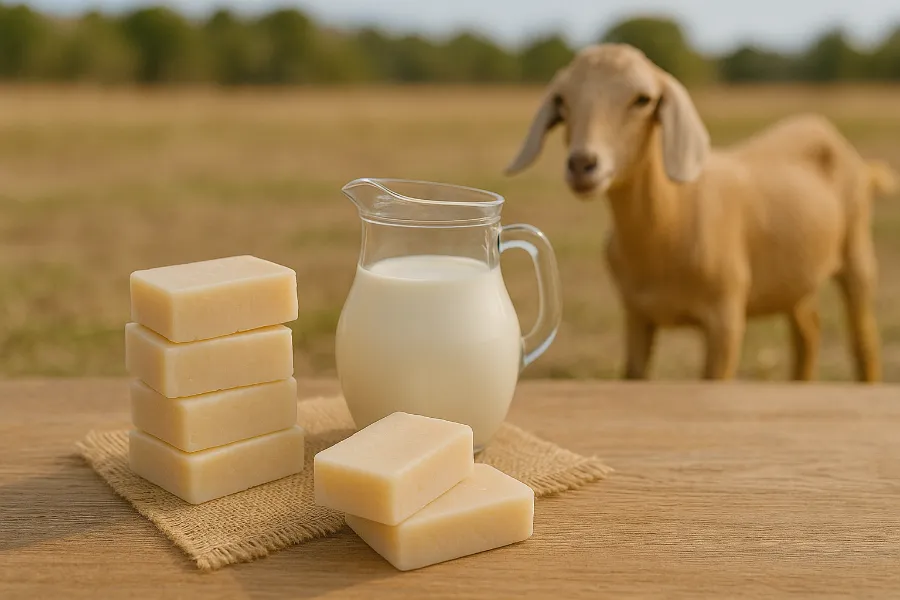
When I first started making soap, I didn’t realize that butterfat was the secret ingredient to luxury. Goat milk for soap making works best when the milk is creamy, high in fat, and handled gently.
Best Breeds for Soap Milk:
- Nigerian Dwarf: High butterfat for smooth, rich soap.
- Nubian: Adds moisture and creaminess.
- LaMancha: Balanced and easy to work with.
Their milk gives soap a velvety lather and nourishing feel that no store-bought bar can match. Once you make your own goat milk soap, you’ll never go back.
Best Goats for Milk: My Final Thoughts
If I had to start over, I’d still begin with a LaMancha or Alpine — steady, gentle, and generous. But if your dream is creamy, high-fat milk for cheese and soap, Nubians and Nigerian Dwarfs are your best bet.
And if you want gallons to sell, Saanens and Sables will fill your fridge in no time.
The truth is, the best dairy goats aren’t always the ones that produce the most milk — they’re the ones that fit your land, your goals, and your rhythm.
When you care for your goats, feed them right, and keep a clean, calm barn, they’ll return the favor every morning — one warm pail of milk at a time.
Final Ranking Recap
- Saanen – Volume Queen
- Alpine – Balanced Performer
- LaMancha – Creamy and Quiet
- Nubian – Butterfat Star
- Toggenburg – Cheese Specialist
- Murciana-Granadina – Rich and Heat Hardy
- Oberhasli – Gentle Family Goat
- Sable – Productive and Sun-Loving
- Nigerian Dwarf – Soap and Cheese Master
- Damascus – Durable and Dual-Purpose
FAQs
LaManchas and Alpines are great starter goats because they’re calm, easy to milk, and consistent producers. Both adapt well to various climates and feeding routines.
Saanens top the list for sheer milk volume, often producing up to 2 gallons per day. Their milk is mild in flavor and excellent for drinking and yogurt.
Nigerian Dwarfs and Nubians produce milk with 5–8% butterfat. This makes their milk ideal for rich cheeses, butter, and soap making.
Most dairy goats are milked twice daily, about 12 hours apart. Consistency in timing helps maintain production and keeps the goats comfortable.
Feed them quality alfalfa hay, dairy grain, and loose minerals, along with plenty of fresh water. Balanced nutrition directly impacts milk yield and quality.
Yes, but milk with higher fat content, like from Nubians or Nigerian Dwarfs, produces creamier, more moisturizing soap. Always chill the milk before mixing to prevent scorching.
Nubians, Murciana-Granadinas, and Damascus goats perform best in warm regions. Their heat tolerance and browsing ability make them excellent for arid conditions.