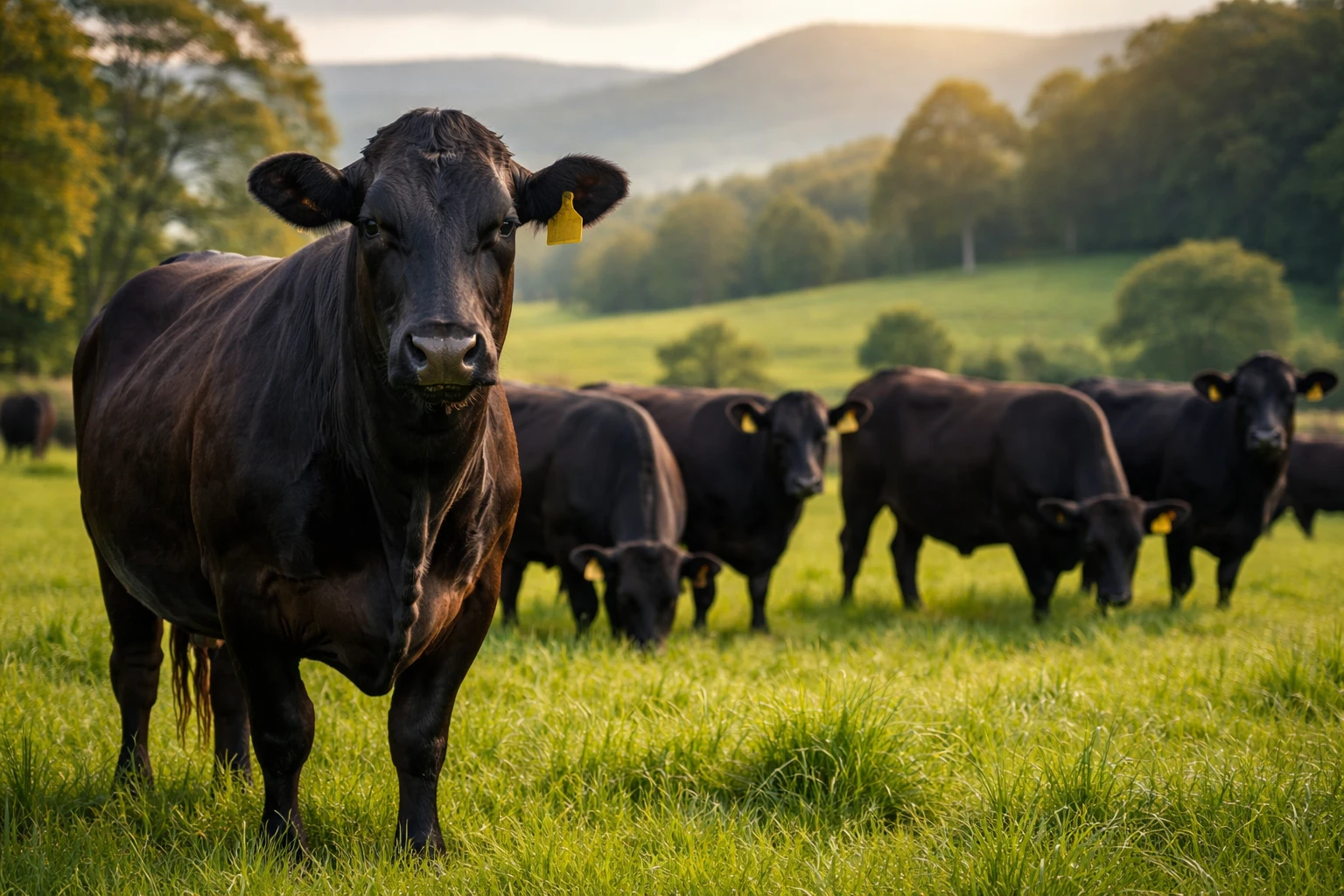
Wagyu cattle trace their origins to Japan, where they were bred over centuries for strength, endurance, and meat quality. The term wagyu simply means “Japanese cow”, but what sets Wagyu apart is the genetic predisposition for intense intramuscular fat, known as marbling.
Origins in Japan
Wagyu cattle were originally working animals used in agriculture. Because they were valued for stamina and strength, farmers selectively bred cattle with strong muscle fibres and efficient energy storage. Over time, this selection unintentionally produced cattle with superior marbling.
Japan later formalised Wagyu breeding, tightly controlling bloodlines and exports. Four main Japanese Wagyu strains emerged:
- Japanese Black
- Japanese Brown
- Japanese Shorthorn
- Japanese Polled
Japanese Black Wagyu is by far the most common and is the foundation of most Wagyu beef known globally today.
How wagyu spread beyond Japan
Japan largely closed live Wagyu exports in the late 20th century. Before restrictions tightened, small numbers of Wagyu genetics were exported through live cattle and frozen semen. These genetics became the foundation of Wagyu herds outside Japan.
Countries with strong grazing systems and biosecurity frameworks, particularly Australia, developed large-scale Wagyu breeding programs using these early genetics.
According to the Australian Wagyu Association, only a small number of Wagyu cattle ever left Japan. Around 220 animals were exported during this period, mostly Japanese Black cattle carrying Tajima, Kedaka (Tottori), and Shimane bloodlines. These cattle were first sent to the United States and, through carefully managed breeding programmes, later became the foundation of Wagyu herds in Australia and other countries.
In the United States, several shipments of fullblood and crossbred Wagyu arrived between the 1970s and 1990s. These early imports formed the genetic base of what is now the American Wagyu herd.
Wagyu cows in Australia today
Australia now holds the largest Wagyu population outside Japan, built on a small number of original Japanese bloodlines imported before export restrictions were introduced. Australian Wagyu cows are bred either as fullbloods, maintaining 100% Japanese genetics, or crossed with British and European breeds such as Angus to produce Wagyu-influenced cattle that balance marbling, growth efficiency, and adaptability.
Australia’s climate, large grazing systems, and advanced genetic programs have allowed Australian Wagyu cattle to thrive across diverse regions. Breeders use detailed pedigree records, genomic testing, and performance data to refine traits such as marbling score, temperament, fertility, and feed efficiency. As a result, Australian Wagyu cows now underpin premium beef programs and international breeding exports, supplying genetics to markets across Asia, the Middle East, and beyond from Australia.
Key reasons Wagyu cows thrive in Australia include:
- Large-scale grazing land
- Advanced genetic selection programs
- Strict animal health and traceability systems
- Strong demand from premium beef markets
Australian Wagyu cattle are widely used for both beef production and breeding programs supplying domestic and export markets.
Pure wagyu vs wagyu cross
Not all Wagyu cows are genetically identical. Common classifications include:
- Fullblood Wagyu – 100% Japanese Wagyu genetics
- Purebred Wagyu – high-percentage Wagyu bred outside Japan
- Wagyu cross – Wagyu crossed with breeds like Angus
Each type serves a different market, from ultra-premium beef programs to commercial beef production.
Why wagyu origins still matter
Where Wagyu cows come from matters because genetics directly influence marbling, growth rates, temperament, and adaptability. Buyers sourcing Wagyu cattle or beef often prioritise animals with proven lineage, reliable performance, and clear genetic documentation.
FAQs
Wagyu cows originate from Japan, where they were selectively bred for strength and marbling over hundreds of years.
No. While Wagyu originated in Japan, large Wagyu populations now exist in Australia and other countries using Japanese genetics.
Japan banned live Wagyu exports to protect its elite genetics and preserve breed purity. After limited exports in the 1970s–1990s, Wagyu bloodlines were classified as a national agricultural asset, and live exports were prohibited to safeguard Japan’s premium beef industry.
Australian Wagyu is bred from original Japanese bloodlines but raised in different environments. This results in high-quality beef with slightly different flavour and fat profiles.
Most Wagyu cattle outside Japan descend from Japanese Black genetics, sometimes crossed with Angus or other beef breeds.
Wagyu cattle carry unique genetics that promote intramuscular fat development, creating fine, even marbling throughout the meat.
Buyers import Wagyu cattle or genetics by meeting health and import requirements and arranging quarantine and transport. Experienced exporters manage animal selection, testing, documentation, and logistics for cattle, semen, and embryos.