Solar energy has become one of the most practical upgrades for modern structures. Steel buildings already offer strength, efficiency, and design flexibility, making them excellent choices for long-term energy planning. Preparing a steel building for future solar installation is easier than many owners expect. Most of the work involves thoughtful design decisions during the planning stage rather than complex structural changes later.
A solar-ready design gives owners more freedom to adopt clean energy at the right time. It avoids costly modifications and helps the solar system perform better once installed. This guide explains the essential choices that make a steel building prepared for solar power throughout its lifetime.
Designing a Solar-Friendly Plan
Preparing a steel building for solar starts with setting clear energy goals. Some owners aim for a full solar setup that covers most of their electricity use, while others want to lower their monthly electricity costs. Knowing the desired energy output helps determine how much roof area is needed for future panels. Service providers like Armstrong Steel Buildings support owners during this planning phase, helping them choose structural features that make solar installation smooth and efficient.
Structural strength plays a major role in solar readiness. Panels add weight to the roof, so increasing load capacity during construction prevents expensive reinforcement later. This early planning ensures the building remains stable and safe once solar equipment is added.
Electrical preparation brings even more value to a solar-ready building. Planning dedicated areas for inverters, disconnects, wiring routes, and batteries keeps everything organized. This thoughtful design prevents cuts into finished surfaces and makes future installation simpler.
Roof Layout Choices That Support Easier Installation
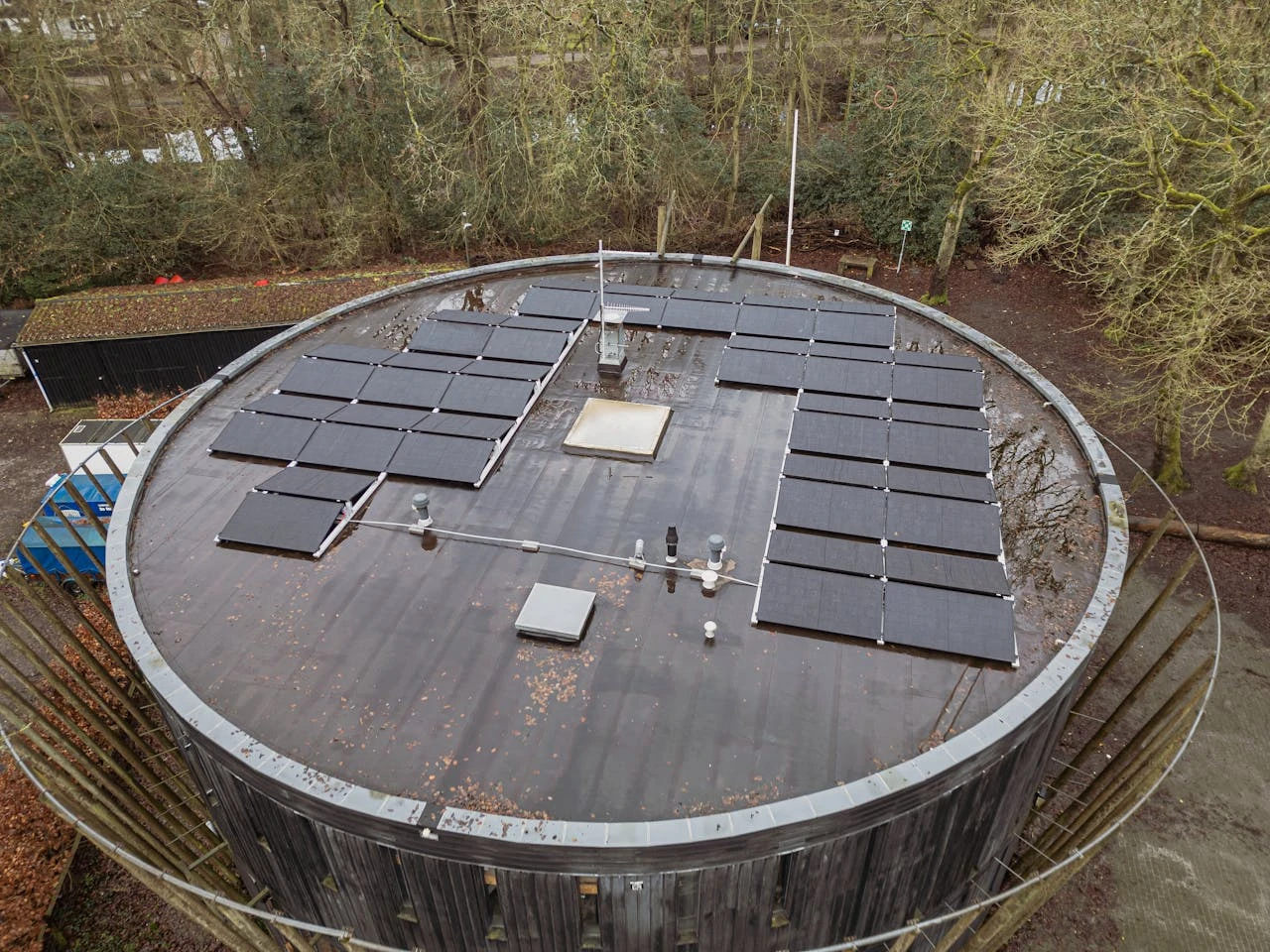
A clutter-free roof makes future solar installation simpler and more efficient. Panels work best when arranged in straight rows with minimal interruptions. Reducing the number of roof obstacles, such as vents, stacks, or mechanical units, helps installers achieve clean alignment.
Shading from nearby structures affects solar performance. Trees, billboards, or extensions from the building can cause reduced output during parts of the day. Considering shading early in the design process ensures that the most sun-exposed portion of the roof is available for panels. Wiring routes should also be planned.
Creating dedicated pathways for cables eliminates the need to open finished ceilings or walls. This protects the building and reduces future labor time while keeping the solar system visually tidy.
Orientation Choices That Improve Solar Output
The direction and angle of the roof directly influence solar energy production. South-facing roofs often provide the highest output in many regions. East-facing roofs support strong morning production, while west-facing surfaces generate more afternoon energy. Matching orientation to the building’s daily energy pattern can improve efficiency.
Climate is another factor. Regions with frequent cloud cover may benefit from spreading panels across different roof faces. A well-designed steel building provides flexibility for various placement strategies, allowing owners to adjust the solar layout to local conditions. The pitch of the roof also matters. Moderate slopes support good sunlight capture and offer stable mounting surfaces. Steel buildings often allow customizable roof pitches, making it easier to plan for long-term solar efficiency.
Electrical Planning That Simplifies Future Installation
A building that anticipates solar power during the electrical design stage is much easier to upgrade later. Leaving additional space in the main electrical panel allows for future solar breakers. This avoids having to replace or expand the panel once the solar system is installed.
Dedicated areas for inverters and solar monitoring equipment help maintain organization. Installers need room for safe access, airflow, and proper wiring. Including a designated space eliminates the need to rearrange equipment or compromise work areas during installation. Running an empty conduit during construction is one of the smartest choices for solar readiness. These conduits provide a simple path for wiring from the roof to the inverter location. This prevents drilling into finished surfaces and keeps the building clean and durable.
Building Envelope Choices That Enhance Solar Performance
Many steel structures, from large commercial facilities to smaller agricultural setups like goat shelters, benefit from building-envelope decisions that support long-term solar performance. A solar-ready building gains value from strong insulation and a high-quality roofing surface. Good insulation reduces internal temperature swings, lowering energy demand and helping solar power cover more of the building’s usage.
Roof materials also influence solar panel efficiency. Lighter or reflective coatings help keep the roof cooler. Cooler temperature conditions support better panel performance and extend both the roof’s and the panels’ lifespan. Wind resistance is another important consideration.
Steel buildings handle wind effectively due to their rigid frames, though mounting equipment must meet regional wind standards. Planning these requirements early ensures a secure and long-lasting solar installation.
Choosing Between Roof-Mount and Ground-Mount Systems
Some properties are better suited for ground-mounted systems, while others are ideal for roof-mounted panels. Steel buildings work well with both approaches, giving owners flexibility based on space and energy needs. Ground-mounted systems allow for perfect tilt and orientation because installers are not limited by roof angles. These systems are helpful when future expansion is expected or when the roof contains multiple slopes that limit panel placement.
Roof-mounted systems save property space and provide an efficient installation area. This approach works well when the roof is already prepared with the right load capacity, open layout, and solar-friendly orientation. A well-designed steel building supports roof-mounted systems without requiring major changes during installation.
Preparing a Steel Building for Long-Term Clean Energy Success
A steel building designed with solar readiness offers long-term advantages. As solar technology improves and energy prices change, owners gain the flexibility to upgrade without major disruptions. A building that anticipates solar from the beginning remains adaptable and efficient for decades.
The choices made during the design stage create a smoother path to clean energy. Every detail, from roof layout to electrical planning, shapes how easily solar can be added and how well it will perform. A solar-ready steel building becomes a valuable asset that supports sustainability, efficiency, and financial savings throughout its lifespan.