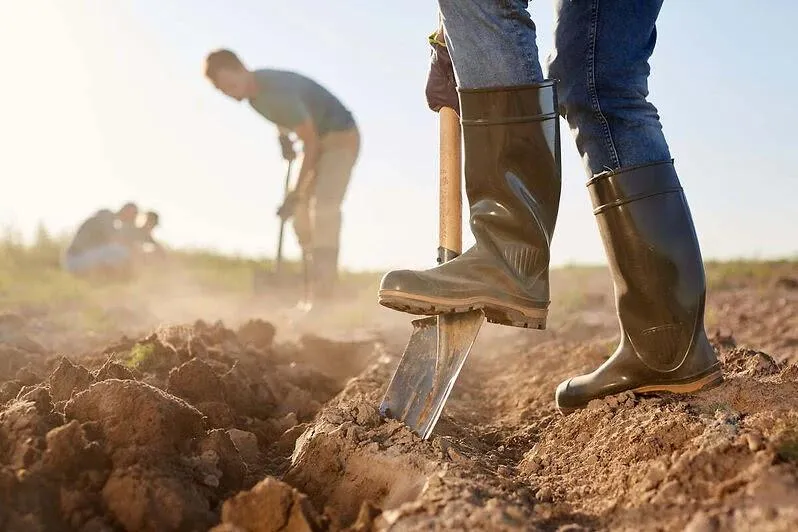
Farming work puts your feet through harsh conditions every day: mud, chemicals, heavy equipment, and unpredictable weather. Your boots are your first line of defense. Choosing the best farming boots protects you from injury and keeps you comfortable during long shifts.
Start with Your Agricultural Work Environment
Your daily tasks determine which features matter most. Consider where you spend most of your time:
- Working in wet or muddy fields? Look for waterproof farming boots or rubber options that keep your feet dry.
- Facing cold seasons or harsh winters? Choose insulated farming boots designed for freezing temperatures.
- Daily exposure to livestock waste or chemicals? You need chemical-resistant soles that protect against corrosive materials.
- Spending long hours on your feet? Prioritize arch support and cushioning that reduces fatigue.
The right farming boots match your environment and tasks. When you choose boots built for your specific needs, you stay safer, work more comfortably, and get boots that last for years.
Prioritize Waterproof Protection in Farming Boots
Wet feet aren’t just uncomfortable. They lead to fungal infections, frostbite, and serious conditions like trench foot. OSHA’s cold stress guidelines emphasize that waterproof protection is essential for anyone working in damp conditions. When water seeps into your boots, it breaks down insulation and weakens the materials, shortening their lifespan.
Quality waterproof farming boots include:
- Full-grain leather or rubber uppers that naturally repel water
- Sealed seams and gusseted tongues that stop liquid from getting inside
- Moisture-wicking linings that keep your feet dry even when you sweat
Look for farming boots with breathable membranes, such as GORE-TEX® or Dri-Lex®. These technologies keep water out while letting moisture escape, so your feet stay comfortable all day.
Evaluate Farm Boot Sole Grip and Tread Design
Slips and falls cause more farm injuries cause more farm injuries than almost any other hazard, according to the CDC. Between livestock stalls, wet grass, oil spills, and loose gravel, you need farming boots with aggressive tread that grips in any condition.
The best soles for farm work feature:
- Deep-lug rubber outsoles that dig into mud, soft fields, and loose soil
- Chevron-patterned tread that releases mud quickly and flexes naturally with your stride
- Oil- and chemical-resistant rubber that grips on concrete, steel, and wet surfaces
Look for work boots that meet ASTM F2913 standards for slip resistance. This certification means the boots have been tested and proven to perform in hazardous conditions.
Protect Your Toes Around Heavy Equipment and Livestock
If you work around heavy equipment, falling tools, or unpredictable livestock, a safety toe can prevent crushing injuries that sideline you for weeks or permanently damage your feet.
You have three main options:
- Steel toe: The most durable option with maximum impact protection, ideal for heavy-duty farm work
- Composite toe: Lighter than steel and non-metallic, perfect for cold weather or areas with electrical hazards
- Alloy toe: Combines strength with reduced weight for all-day comfort
Make sure your farming should comply with ASTM F2413 standards for impact and compression resistance. If you work in USDA-inspected facilities or under OSHA regulations, verify that your boots meet any additional requirements.
Rubber vs. Leather: Which Material Works Best for Farm Boots?
Each material excels in different conditions:
- Rubber farming boots stay completely waterproof, clean up easily, and resist animal waste and chemicals. They work best for dairy operations, poultry houses, and aquaculture.
- Leather farming boots breathe better, last longer, and provide better ankle support for field work, tractor operation, and tasks that vary throughout the day.
If your work changes with the seasons or you handle different tasks daily, look for hybrid boots with leather uppers and rubber outsoles.
Evaluate Insulation and Thermal Lining
Working in freezing temperatures slows your circulation and drains your energy. If you spend hours outside in winter, insulated farming boots keep your feet warm and your focus sharp.
Look for:
- 3M™ Thinsulate™ or similar insulation that traps warmth without adding bulk
- Removable liners you can wash or swap out as temperatures change
- Comfort ratings down to -20°F or lower if you work in extreme cold
Also, check that the rubber outsole stays flexible in freezing weather. Some rubber compounds get brittle and lose grip when temperatures drop.
Ensure Ergonomic Comfort and Fit
Farm work keeps you on your feet for 10, 12, sometimes 14 hours straight. Boots that don’t fit right cause blisters, joint pain, and lower back strain that only get worse over time.
Comfortable farming boots include:
- Contoured footbeds with built-in arch support that reduce fatigue
- Shock-absorbing midsoles made from EVA or dual-density foam
- Roomy toe boxes that give your feet space to spread, especially important after hours of swelling
- Women’s-specific designs that fit narrower heels and different arch shapes
When your boots fit right and feel good, you work better and hurt less at the end of the day. Comfort isn’t a luxury. It directly affects how well you can do your job.
Invest in Quality Farming Boots That Last
Quality farming boots cost more upfront but save you money over time. The Bureau of Labor Statistics reports that worn-out or damaged boots contribute to preventable farm injuries, so durability isn’t just about your wallet; it’s about staying safe.
Signs of quality construction:
- Goodyear welt construction, which lets you resole the boots instead of replacing them entirely
- Triple-stitched seams that hold up under stress and won’t separate
- Oil-tanned full-grain leather that resists cracking, tearing, and daily wear
Well-built farming boots can be resoled and refurbished multiple times, meaning a quality pair can outlast three or four cheap ones.
Match the Boot Style to the Task
Different farm tasks need different boot designs. Wearing the wrong style leaves you uncomfortable, unsafe, or both:
- Milking and barn maintenance: Choose mid-calf rubber farming boots that resist bacteria and clean up quickly
- Tractor operation and field work: Go with 8-inch leather boots that provide ankle stability and arch support
- Winter hay transport: Wear insulated leather farming boots with aggressive tread for traction in snow and ice
- Livestock processing: Use fully chemical-resistant rubber boots with slip-proof soles
The right boot height and material make the difference between getting through your day safely and fighting your footwear every step.
Invest in Performance, Not Appearance
Farm work demands a lot from your boots. Don’t choose based on looks alone. Focus on waterproofing, traction, safety features, insulation, comfort, and durability. These features determine whether your farming boots protect you and hold up season after season.
Research shows that quality safety footwear reduces injuries, lasts longer, and keeps workers more satisfied. Your boots aren’t just another piece of gear. They’re safety equipment that protects you every single day. When you choose the right farming boots, you’re investing in your health, safety, and long-term comfort.
FAQs
Waterproofing, slip-resistant soles, safety toe protection, comfort, and durability are the most critical features for farm work.
Yes, waterproof boots prevent infections, cold-related injuries, and material breakdown caused by constant exposure to moisture.
Deep-lug rubber outsoles with aggressive tread provide the best grip on mud, wet grass, and uneven terrain.
If you work around heavy equipment, livestock, or falling objects, safety toes significantly reduce the risk of serious foot injuries.
Steel toes offer maximum protection, while composite toes are lighter and better for cold or electrical hazard environments.
Rubber boots excel in wet, dirty environments, while leather boots offer better breathability, support, and versatility for mixed tasks.
For cold climates, look for boots with thermal insulation rated to at least -20°F to keep feet warm during long outdoor shifts.
Poorly fitting boots cause blisters, joint pain, and fatigue, which can reduce productivity and increase injury risk.
High-quality farming boots can last several years, especially if they feature durable construction and can be resoled.
Always prioritize performance—safety, comfort, and durability matter far more than appearance in demanding farm conditions.