If you’ve ever wondered how to French lamb rib chops at home the way chefs and experienced butchers do it you’re in the right place. I used to think Frenching was just for show: something fancy restaurant cooks did to impress guests. But once I actually tried Frenching lamb chops myself, everything clicked. It’s not just about presentation it improves how the chops cook, how they absorb seasoning, and how satisfying they are to serve.
In this guide, I’ll walk you through every step of the process, from picking the right cut to cleaning the bone beautifully, and finally into the pan or grill. Whether you’re prepping lamb for a Sunday dinner or mastering lamb preparation for the first time, this technique will give you chops you’re proud to serve.
French Lamb Chops
Let’s start with a quick question: what do you think of when you hear French lamb chops? Tender meat? Elegant plating? Fancy restaurants? For me, it’s all of that but also the joy of mastering a skill that turns simple groceries into something special.
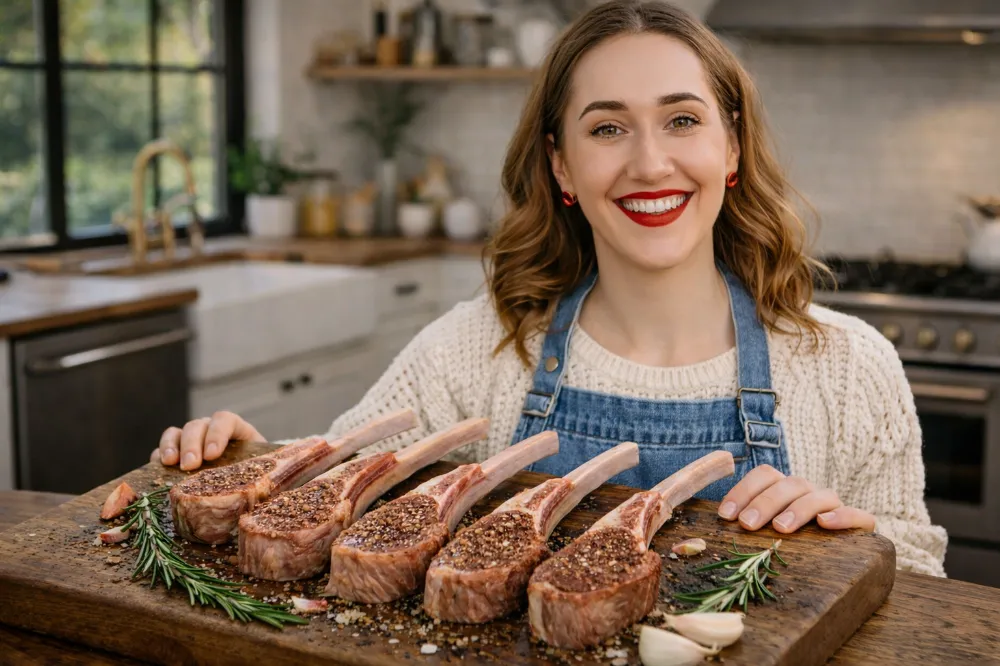
French lamb chops are essentially lamb rib chops with the fat and meat cleaned away from the end of the bone, leaving a pristine handle. It’s a technique rooted in classic butchery, and it changes the entire eating experience.
Here’s what french lamb chops give you:
- A cleaner, more elegant presentation
- Better searing and even cooking
- A natural handle for eating
- Improved seasoning absorption
- The satisfaction that comes from doing it yourself
I still remember the first time I pulled off a perfect French the bone was clean, the meat sat proudly above it, and my guests thought I ordered something special. The secret wasn’t buying expensive cuts it was taking a little extra care during preparation.
Lamb Rib Chops
Now let’s talk about lamb rib chops the cut we’re working with.
These come from the rib section of the lamb and are basically the lamb equivalent of a beef ribeye. They’re tender, juicy, and packed with flavor. When you pick up a rack of lamb or individual rib chops at the store or butcher counter, they may already be partially trimmed, but often they’re sold with the bones still covered in fat and connective tissue.
That’s where the magic of Frenching comes in. Untrimmed lamb rib chops are delicious, but the excess fat and tissue near the bone can burn quickly, block seasoning, and complicate plating. Frenching solves all of that while keeping the best parts of the chop intact.
Lamb Butchery
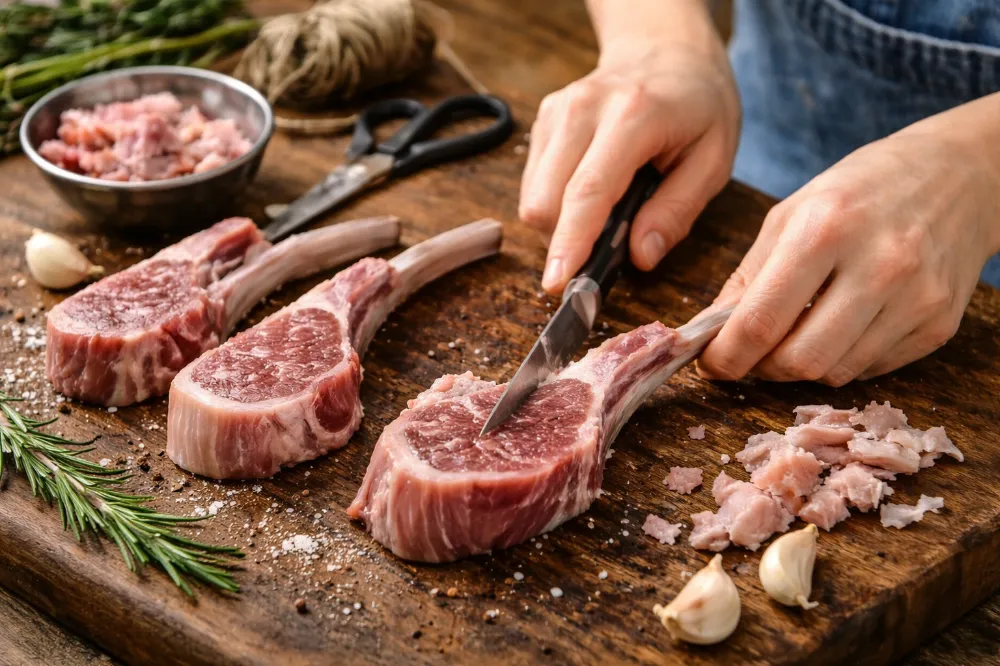
When people hear lamb butchery, they often picture intimidating tools and professional butcher shops. In reality, good butchery is simply careful, intentional knife work and Frenching lamb chops is one of the most approachable skills to learn.
Lamb butchery teaches you:
- Where the meat naturally ends and the bone begins
- How to make controlled, precise cuts
- How to remove connective tissue without wasting meat
- How to shape food for even cooking
Every time I French a chop, I learn something new about the cut. That confidence carries into every lamb dish I cook afterward.
Lamb Preparation
Good lamb preparation makes frenching easier and cleaner.
Before you pick up the knife:
- Choose rib chops that are evenly thick and well-marbled
- Let them rest at room temperature for 20–30 minutes
- Pat them completely dry
- Sharpen your knife
These small steps prevent slipping, uneven cuts, and wasted meat.
How To Actually French Lamb Chops
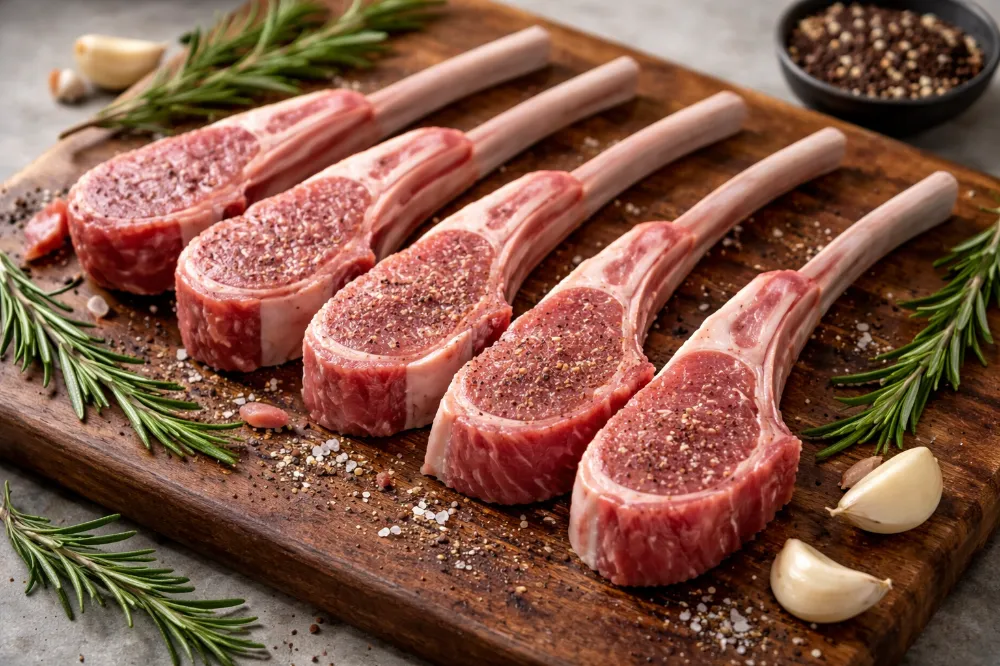
This is where technique meets patience.
Step One: Mark The Boundary
Hold the chop upright and score a shallow ring about 1½–2 inches from the tip of the bone. This line determines how much bone you’ll expose.
Step Two: Separate The Tissue From The Bone
Using the tip of your knife, slice downward along the bone, rotating the chop as you go. Let the bone guide the blade.
Step Three: Pull And Trim
Once loosened, pull the fat and connective tissue downward with your fingers, trimming only where needed.
Step Four: Clean The Bone
Gently scrape the bone with the back of your knife to remove any remaining bits. The bone should look smooth and pale.
Step Five: Final Shape
Lightly trim the base of the meat so it looks clean and rounded. Avoid trimming into the meat itself.
Why Frenching Makes A Difference
Frenching lamb chops improves far more than appearance.
- Better sear and crust development
- Reduced burning near the bone
- Cleaner, more focused lamb flavor
- Easier handling while cooking and eating
Once you cook frenched chops side by side with unfrenched ones, the difference is obvious.
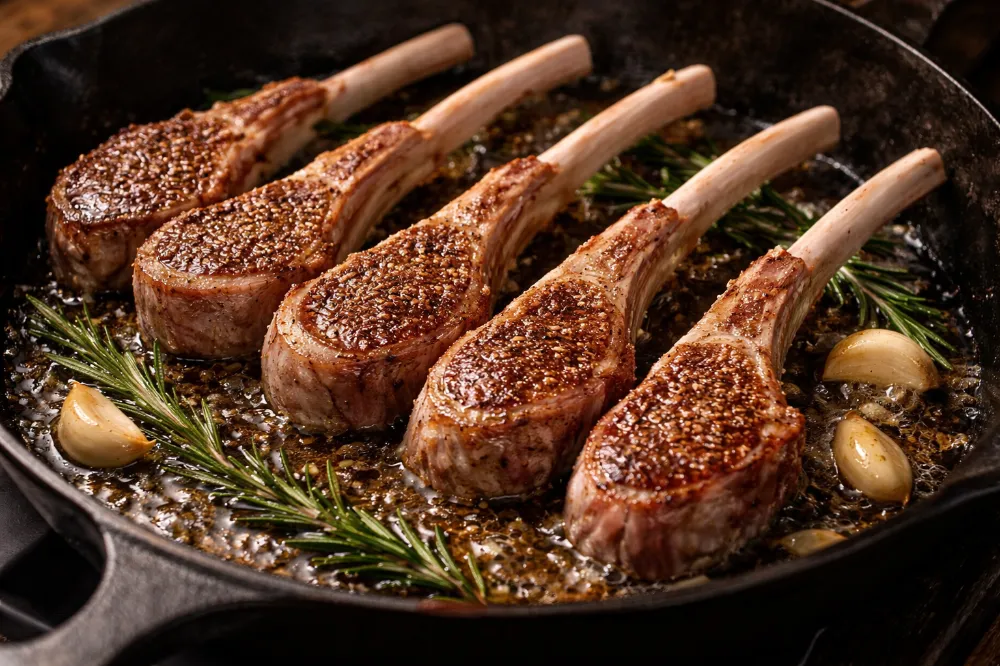
Grilling And Cooking After Frenching
Frenching works beautifully with:
- Pan-searing and butter basting
- Grilling over direct heat
- Broiling
- Reverse-searing
Because lamb rib chops cook quickly, frenching helps control heat and timing. Medium-rare delivers the best balance of tenderness and flavor.
A Final Word
Mastering how to French lamb rib chops at home is one of those skills that quietly upgrades everything you cook. It’s practical lamb butchery, thoughtful lamb preparation, and a confidence boost rolled into one.
Frenching lamb chops isn’t about showing off. It’s about cooking with intention. Once you’ve done it a few times, it becomes second nature and every lamb dish you serve feels more deliberate, more refined, and more satisfying.
FAQs
Frenching lamb rib chops means trimming meat, fat, and connective tissue away from the rib bone to leave it clean and exposed.
No special tools are required. A sharp boning knife or small chef’s knife and a stable cutting board are enough.
Most cooks expose about 1½ to 2 inches of bone. This keeps the chop elegant without removing usable meat.
Yes. Frenching helps lamb rib chops sear more evenly and reduces burning near the bone during high-heat cooking.
Unfrenched chops are often cheaper and fresher. Frenching them yourself gives you more control over trimming and presentation.
Absolutely. Frenching lamb chops is beginner-friendly when done slowly with a sharp knife and proper preparation.
Frenching is especially helpful for grilling because it reduces flare-ups and makes the chops easier to handle and serve.