Water damage ranks among the most destructive forces threatening American homes, with approximately 11.7 million properties currently experiencing leakage from external sources. Foundation waterproofing systems serve as the primary defense against this threat, creating comprehensive barriers that prevent moisture infiltration rather than managing water after it enters the structure.
The science behind these protective systems involves multiple layers of defense working in concert. Each component addresses specific vulnerabilities in residential foundations, from microscopic pores in concrete to visible cracks that develop over time.
Understanding Hydrostatic Pressure
Groundwater exerts constant pressure against foundation walls, particularly during wet seasons when soil becomes saturated. This hydrostatic pressure can reach thousands of pounds per square foot, forcing water through even tiny imperfections in concrete. Without proper waterproofing, this relentless force pushes moisture into basements and crawl spaces, leading to structural deterioration and indoor air quality issues.
The EPA’s guide to moisture control emphasizes that preventing water entry represents the most effective strategy for protecting indoor environments. Modern waterproofing systems address hydrostatic pressure through drainage solutions that redirect water away from foundations, reducing the force acting against walls.
Soil composition plays a crucial role in determining pressure levels. Clay soils, which expand when wet, create additional lateral pressure against foundation walls. Sandy soils drain more readily but can still channel significant water volumes toward foundations during heavy rainfall. Professional waterproofing accounts for local soil conditions when designing protective systems.
Exterior Waterproofing Methods
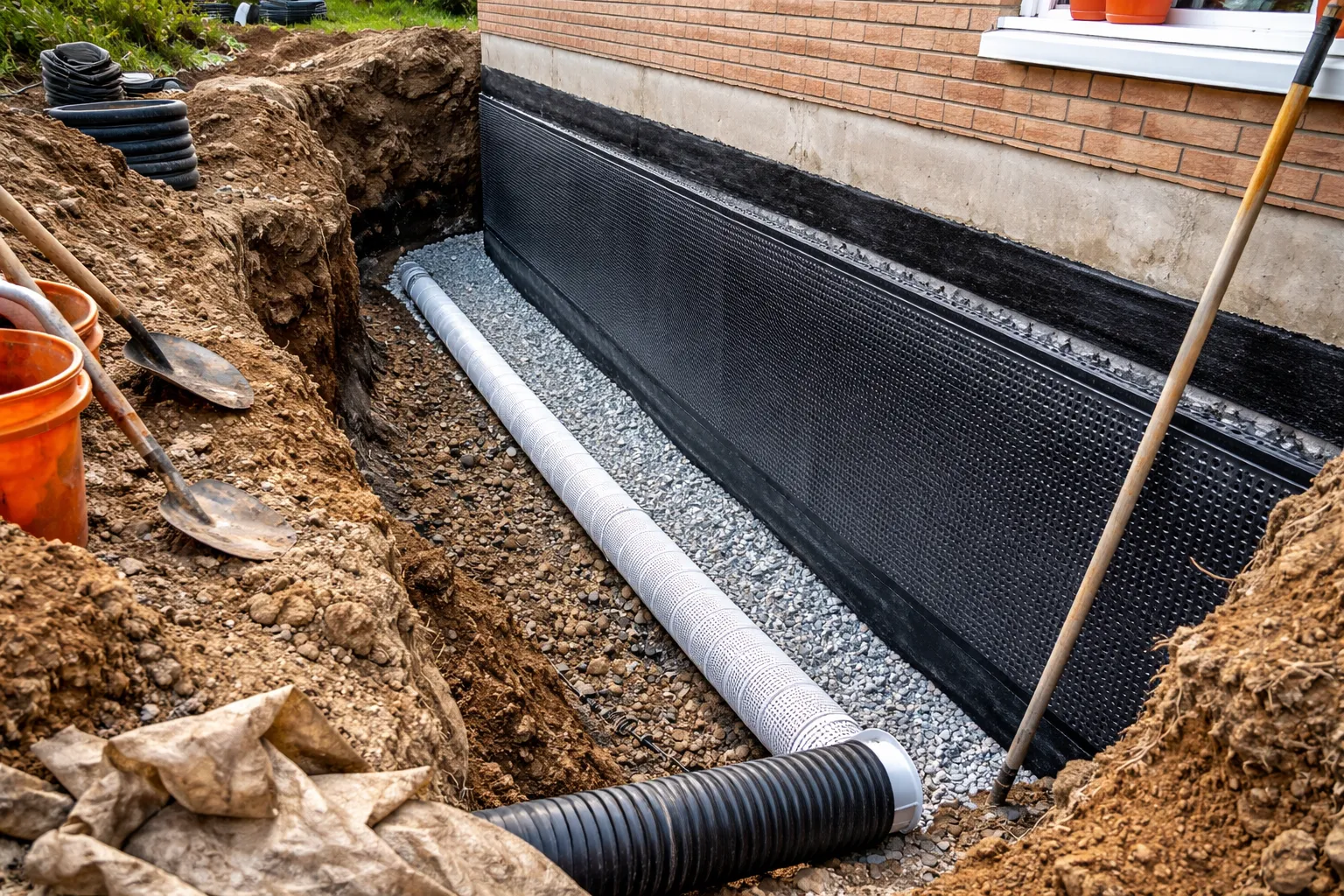
Exterior waterproofing attacks the problem at its source by preventing water from reaching foundation walls. This approach typically involves excavating around the perimeter of the home to expose the foundation surface. Contractors then apply waterproof membranes, install drainage systems, and backfill with materials that promote water movement away from the structure.
Membrane systems vary significantly in composition and application methods. Liquid-applied membranes create seamless barriers that conform to irregular surfaces. These products cure to form rubber-like coatings that flex with minor foundation movement. Sheet membranes, manufactured from modified asphalt or rubber compounds, provide consistent thickness and proven performance in challenging conditions.
Bentonite clay systems offer unique self-healing properties. When exposed to water, bentonite particles swell to many times their dry volume, creating an impermeable gel that seals minor cracks automatically. Contractors who specialize in foundation work, like Lawrence Concrete Pros, often integrate bentonite panels with other waterproofing materials when addressing severe water infiltration challenges in Kansas’s variable climate conditions.
Drainage boards and dimple mats create air gaps between waterproof membranes and backfill soil. These products relieve hydrostatic pressure while providing pathways for water to reach perimeter drains. The combination of waterproof barriers and drainage management extends system longevity significantly compared to single-component solutions.
Interior Water Management Systems
While exterior waterproofing provides primary protection, interior systems offer additional safeguards and address existing moisture problems. Interior drainage systems collect water that penetrates foundation walls, channeling it to sump pumps for removal. These systems prove particularly valuable in older homes where exterior excavation would damage mature landscaping or historic features.
French drains installed along interior foundation perimeters intercept water before it enters living spaces. Perforated pipes surrounded by gravel create channels that gravity-feed collected water to sump basins. Modern installations include vapor barriers that prevent moisture evaporation into basement air while allowing drainage to function properly.
Sump pump technology has advanced considerably in recent years. Variable-speed pumps adjust output based on water volume, reducing energy consumption while maintaining protection. Battery backup systems ensure operation during power outages, when storm-related flooding risks peak. Smart pumps send alerts when maintenance is needed or unusual water volumes suggest developing problems.
Critical Installation Factors
Proper surface preparation determines waterproofing effectiveness more than product selection. Concrete must cure for 28 to 30 days before waterproofing application, allowing excess moisture to evaporate. Form oils, release agents, and existing coatings require complete removal to ensure proper adhesion. Even minor surface contamination can cause premature system failure.
Temperature and humidity during application affect product performance significantly. Most waterproofing materials require specific environmental conditions for proper curing. Cold weather slows chemical reactions, while excessive heat causes rapid evaporation that prevents proper film formation. Professional installers monitor conditions carefully and adjust techniques accordingly.
The HUD research on durable basement construction identifies proper termination details as critical failure points. Waterproofing must extend above grade level and integrate with above-ground moisture barriers. Transitions between different materials require special attention to prevent water infiltration at joints.
Environmental Considerations
Local climate patterns influence both waterproofing design and longevity. Areas with high water tables face continuous hydrostatic pressure that can reduce system lifespan by 40 percent compared to drier regions. Freeze-thaw cycles create additional stress as water expands when freezing, potentially damaging waterproof membranes.
Acidic soils accelerate degradation of certain waterproofing materials. Regular soil testing helps identify potentially corrosive conditions that require specialized products or additional protective measures. Expansive clay soils create unique challenges, requiring flexible waterproofing systems that accommodate significant foundation movement.
Proper site grading adds years to waterproofing system life. Maintaining a one-inch-per-foot slope for six to ten feet from foundations directs surface water away naturally. Gutter systems that discharge water at least six feet from foundations prevent concentrated flows that overwhelm waterproofing defenses.
Long-Term Performance Expectations
Quality exterior waterproofing systems protect homes for decades when properly installed and maintained. Premium solutions often exceed 50-year service lives, while standard systems typically last 10 to 30 years. Professional installation extends longevity two to three times compared to amateur applications, justifying the higher initial investment.
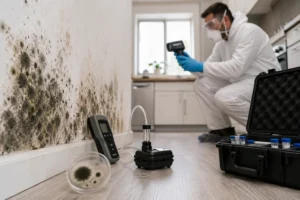
Regular inspections identify developing problems before significant damage occurs. Visual checks for efflorescence, mold growth, or water stains alert homeowners to potential waterproofing failures. Annual professional evaluations catch subtle issues that untrained observers might miss.