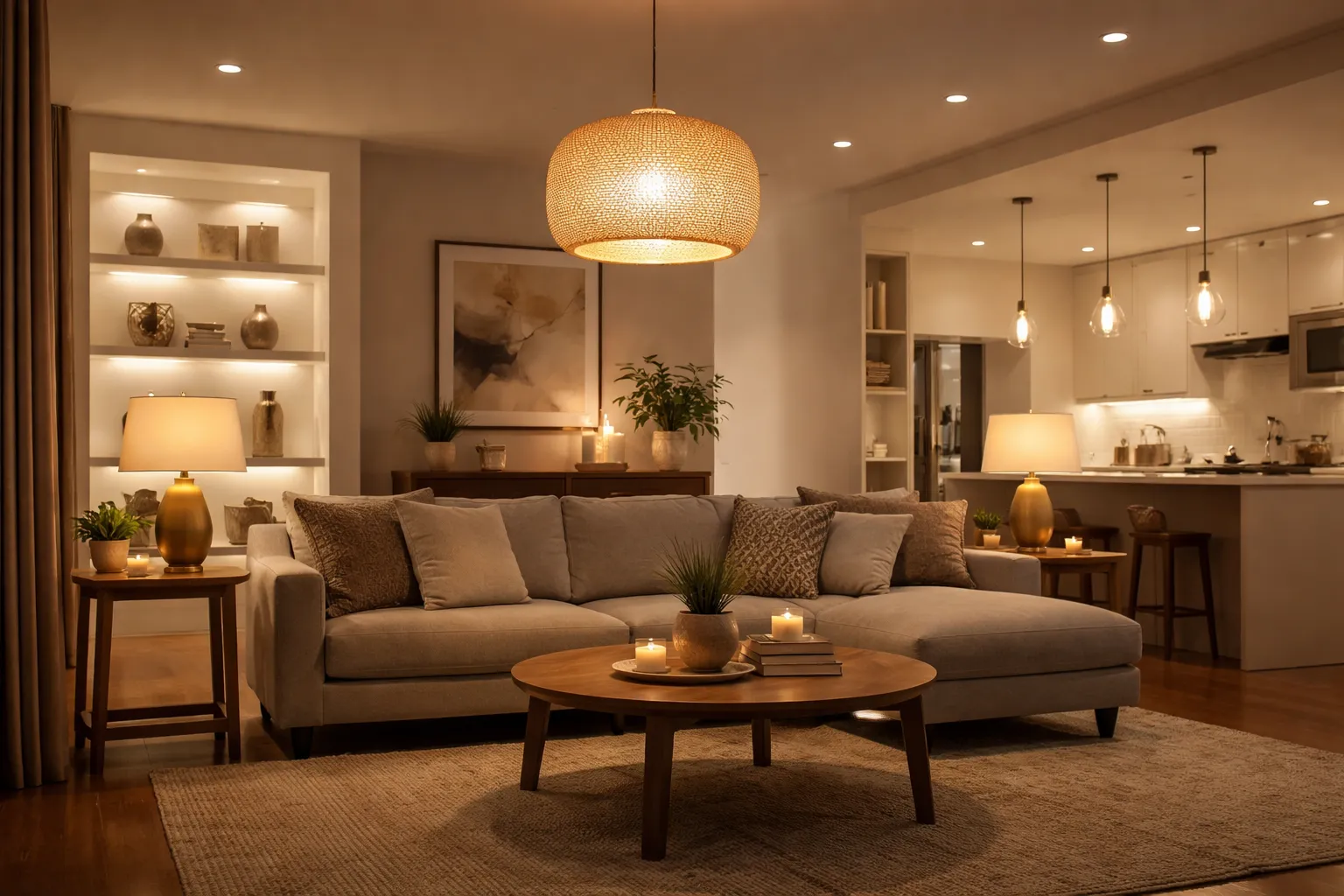
Home lighting ideas shape how a space feels long before furniture or décor get noticed. I’ve walked into beautifully designed homes that felt flat, and average rooms that felt incredible, all because of lighting. Light controls mood. It guides movement. It influences how we relax, work, eat, and connect. And the good news? You don’t need a full renovation to get it right.
This article breaks down home lighting ideas you can actually use. Not theory. Not fluff. Practical guidance you can apply room by room, fixture by fixture, switch by switch. Let’s get into it.
Why Lighting Defines a Home
Lighting isn’t decoration. It’s infrastructure for daily life.
When lighting works, everything else looks better. Colors feel richer. Spaces feel intentional. People feel comfortable staying longer. When it fails, even expensive interiors feel awkward or unfinished.
Great home lighting ideas start with understanding how people use space. Not how rooms look in photos, but how they function at 7 a.m., 2 p.m., and 10 p.m. Lighting should shift with your day. One static brightness level doesn’t cut it.
The Three Layers of Lighting (And Why They Matter)
Every well-lit home relies on three lighting layers. Skip one, and the room suffers.
1. Ambient Lighting
This is your base layer. The general light that allows you to see and move safely.
Examples:
- Ceiling fixtures
- Recessed lighting
- Flush or semi-flush mounts
2. Task Lighting
Focused light for specific activities.
Examples:
- Desk lamps
- Under-cabinet kitchen lights
- Vanity lighting
3. Accent Lighting
Lighting with intention. It adds depth and interest.
Examples:
- Wall sconces
- Picture lights
- LED strips for shelves or niches
Actionable tip:
If a room feels flat, it usually lacks accent lighting. Add one small accent source before changing anything else.
Living Room Lighting Ideas That Feel Balanced
The living room does everything. Lounging. Hosting. Reading. Watching TV. One overhead light can’t handle all that.
Smart home lighting ideas for living rooms focus on flexibility.
What works:
- A central ceiling fixture or recessed lights for ambient light
- Table lamps near seating for warmth
- Floor lamps for reading corners
- Accent lighting for shelves or artwork
Placement matters more than fixture style. Spread light sources around the room to avoid harsh shadows.
Quick win checklist:
- At least 3 light sources
- Dimmers on overhead lighting
- Warm bulbs (2700K–3000K)
Kitchen Lighting Ideas That Balance Style and Function
Kitchens need clarity. And control.
You’re chopping, cooking, cleaning, and socializing in the same space. Good home lighting ideas here are layered and deliberate.
Must-have lighting zones:
- Overhead ambient light for general visibility
- Under-cabinet lighting for countertops
- Pendant lights over islands or bars
Under-cabinet lighting is non-negotiable. It reduces shadows and improves safety.
Bulb guidance for kitchens:
| Area | Recommended Color Temp |
| Overhead | 3000K–3500K |
| Task lighting | 3500K–4000K |
| Accent | 2700K–3000K |
Bedroom Lighting Ideas That Encourage Rest
Bedrooms should calm you down, not wake you up.
That means no harsh overhead lights as the primary source. Thoughtful home lighting ideas here prioritize softness and control.
Best practices:
- Use lamps or wall sconces instead of ceiling lights at night
- Choose warm bulbs only
- Add dimmers everywhere possible
Pro tip: Wall-mounted sconces free up nightstand space and create hotel-like symmetry without feeling staged.
Accent lighting behind headboards or under beds adds subtle depth without brightness overload.
Bathroom Lighting Ideas That Are Bright but Flattering
Bathrooms expose bad lighting fast.
Shadows under the eyes. Harsh glare. Uneven brightness. All avoidable with smart home lighting ideas.
Vanity lighting rules:
- Place lights at eye level, not above the mirror only
- Use even spacing to reduce shadows
- Choose neutral white (3000K–3500K)
Avoid: Single overhead lights for grooming. They create unflattering shadows.
Add: Moisture-rated recessed lighting for showers and tubs. Safety matters here.
Dining Room Lighting Ideas That Set the Mood
Dining rooms are about atmosphere.
The light should draw people in, not overwhelm the table. Most successful home lighting ideas here revolve around one strong focal point.
Chandeliers or pendants work best when:
- Hung 30–36 inches above the table
- Sized proportionally to table width
- Paired with dimmers
A dimmer turns everyday meals into experiences. It’s one of the simplest upgrades with the biggest payoff.
Home Office Lighting Ideas for Focus and Comfort
Bad office lighting kills productivity.
Glare strains eyes. Dim light causes fatigue. Effective home lighting ideas for workspaces blend function with comfort.
Core setup:
- Ambient overhead light
- Adjustable task lamp
- Natural light when possible (from the side, not behind screens)
Desk lamp tips:
- Adjustable arm
- Neutral white light (3500K–4000K)
- Positioned opposite your writing hand
Hallway, Entryway, and Staircase Lighting Ideas
These areas guide movement. They should feel intentional, not forgotten.
Great home lighting ideas here improve safety and visual flow.
Ideas that work:
- Wall sconces in hallways
- Flush mounts for low ceilings
- Step lights on stairs
- Accent lighting to highlight artwork or textures
Consistency matters. Use similar fixture styles to create continuity between rooms.
Outdoor and Exterior Home Lighting Ideas
Exterior lighting extends your home beyond walls.
It adds safety. It boosts curb appeal. And it makes evenings usable.
Effective outdoor home lighting ideas include:
- Porch lights with warm bulbs
- Pathway lighting for walkways
- Motion-sensor lights for security
- Landscape uplighting for trees or features
Energy tip: LED outdoor fixtures last longer and reduce maintenance. Choose fixtures rated for weather exposure.
Choosing the Right Bulbs and Color Temperatures
Bulbs matter more than fixtures.
Two rooms with identical fixtures can feel completely different based on bulb choice. Smart home lighting ideas always consider color temperature and brightness.
Quick bulb guide:
| Use Case | Lumens | Color Temp |
| Ambient | 800–1600 | 2700K–3000K |
| Task | 1000–2000 | 3500K–4000K |
| Accent | 300–800 | 2700K |
Ignore watts. Focus on lumens.
Smart Lighting and Modern Trends
Smart lighting isn’t about gadgets. It’s about control.
Modern home lighting ideas increasingly use:
- App-controlled bulbs
- Smart switches
- Voice commands
- Preset scenes
When smart lighting makes sense:
- Homes with open floor plans
- Bedrooms and living rooms
- Hard-to-reach switches
Start small. One room. One system. Expand only if it adds real convenience.
Common Home Lighting Mistakes to Avoid
These mistakes show up everywhere. Avoid them.
- Relying on one overhead light
- Ignoring dimmers
- Using mismatched color temperatures
- Overlighting small spaces
- Forgetting task lighting
Lighting should feel intentional, not accidental.
Final Thoughts: Build a Lighting Plan, Not Just a Purchase List
The best home lighting ideas start with a plan.
Walk through your home at different times of day. Notice shadows. Notice glare. And notice where you instinctively want more light or less.
Layer light. Add control. Choose bulbs carefully. And don’t rush decisions.
Lighting isn’t decoration. It’s how your home communicates comfort.
Get it right, and everything else follows.