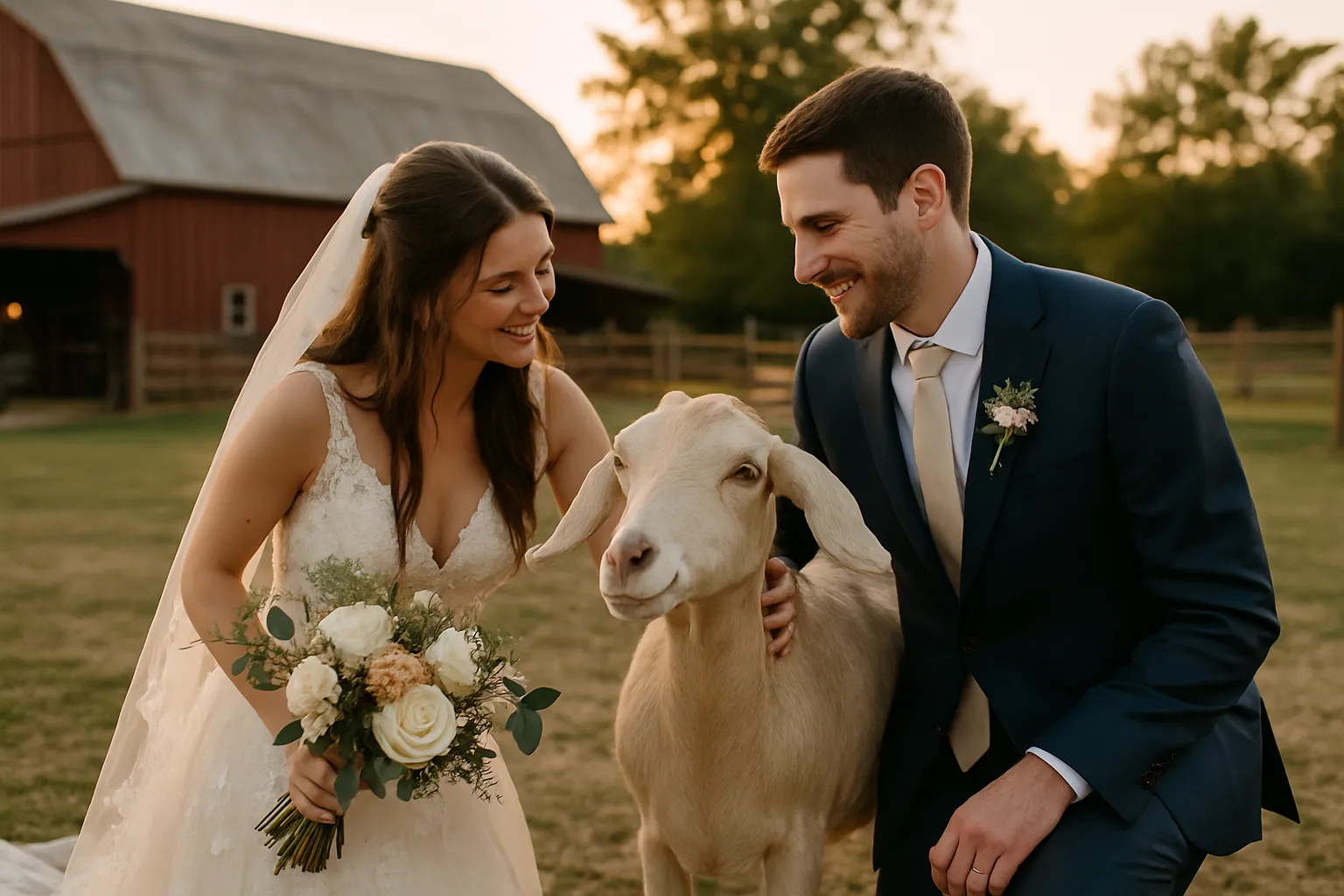
There’s something magical about a wedding that refuses to follow the usual script. Big hotels and polished ballrooms have their place, sure—but a goat farm wedding? That’s a whole different world. It’s rustic in the most unpolished, authentic way. It’s charming without trying. And more than anything, it gives couples a setting that feels grounded, memorable, and wildly photogenic.
I’ve spent enough time around weddings to see trends come and go, but this one has staying power. Couples want intimacy. They want nature. They want personality. And they want photos with goats, which—let’s be honest—steal the spotlight every single time.
If you’re planning a celebration that mixes romance with countryside charm, this guide lays out everything you need to know. From logistics to décor to budgets, this is a deep dive into making your goat farm wedding an unforgettable experience.
Why Goat Farm Weddings Are the New Rustic Trend
Rustic weddings used to mean burlap runners and mason jars. Now it means real farms, real animals, and real character. Goat farm weddings are built around experience, not theme.
Couples are gravitating toward these venues for one major reason: they feel alive. The fields shift with the seasons. Sunsets hit differently on open land. And goats—playful, curious, and sometimes mischievous—bring a natural joy you can’t replicate in any ballroom.
Another reason? Social media. Photos of brides laughing as a goat nibbles her bouquet or grooms posing with baby goats spread fast. They feel spontaneous and candid, the opposite of overly staged wedding content.
Most importantly, goat farm weddings create a slower, more intentional atmosphere. Guests loosen up. Kids have things to explore. The whole day feels like an escape from the scripted wedding industry.
What Exactly Is a Goat Farm Wedding?
A goat farm wedding is exactly what it sounds like—a wedding hosted at a working or hobby goat farm. That could mean:
- A dairy goat farm
- A small private hobby farm
- A mixed-animal farm where goats freely roam
- A wedding venue built on farmland with resident goats
What sets goat farm venues apart from standard barn venues is the authenticity. Barn venues often feel curated for photo ops. Goat farms are functional, lived-in, and real. You’re stepping into a working environment, not a staged backdrop.
The setting typically includes:
- Open fields
- Natural wood structures
- Fences, stables, and pens
- Hay-storage barns
- Farmhouse-style ceremony spots
But the biggest difference is the presence of goats—and their role adds an entirely new dimension.
Benefits of Hosting a Wedding on a Goat Farm
There’s a long list of reasons goat farms make surprisingly phenomenal wedding venues. Let’s break down the top advantages.
A. A Rustic Aesthetic That Doesn’t Feel Manufactured
A goat farm offers built-in character. The kind you can’t fake with props or rentals. Weathered wood. Quiet fields. Aged fences that photograph beautifully. Sunlight bouncing off tin barn roofs. It brings texture to your wedding environment.
Even with minimal décor, the space feels finished because the landscape itself acts as design.
B. Unique Guest Experience
This is one of the biggest benefits—and one guests won’t stop talking about.
Goats add:
- Entertainment
- Warmth
- Conversation starters
- Kids’ engagement
- Endless comedic moments
People light up around animals, especially ones with big personalities. Goats do this effortlessly.
C. Cost Savings in Key Areas
Farm venues are often more affordable than traditional wedding spaces, especially in rural areas.
Potential savings include:
- Less décor (the venue itself is the aesthetic)
- Lower rental fees
- Minimal need for large floral installations
- Affordable weekday options
This doesn’t mean cheap. Just flexible—and often friendlier on the wallet.
D. Eco-Friendly Opportunities
Goat farms naturally lend themselves to sustainable weddings.
Examples include:
- Locally sourced farm-to-table meals
- Seasonal flowers instead of imported ones
- Biodegradable décor
- Reusable signage and tableware
- Zero-waste cleanup options
Many farms already operate sustainably, so your wedding aligns effortlessly with their practices.
Things to Consider Before Booking
It’s not all sunshine and cute baby goats. Goat farm weddings come with unique considerations. The key is knowing them early so you can plan like a pro.
A. Facility Details
Before booking, check exactly what’s included.
Critical facility questions:
| Facility Item | What to Ask |
| Restrooms | Are there flushable restrooms or only portable units? |
| Getting-Ready Suite | Is it climate-controlled? Spacious? Is it inside the main house? |
| Indoor Backup | Is there a barn or covered structure for weather issues? |
| Parking | Field parking? Gravel lot? Overflow space? |
| Accessibility | Are paths wheelchair-friendly? |
These details matter more than couples expect.
B. Weather and Seasonal Planning
Farm weddings change drastically by season.
Quick guide:
- Spring – Flowers blooming, mild temps, but muddy.
- Summer – Longer daylight, beautiful sunsets, but heat management is crucial.
- Fall – Golden scenery and perfect temperatures. Peak wedding demand.
- Winter – Limited daylight and cold, but cozy barn receptions shine.
Think about your guests’ comfort and the animals’ routines.
C. Guest Experience
You want guests to enjoy the setting, not feel confused or unprepared.
To help them out, give guidance like:
- Wear block heels or boots
- Bring layers for evening chill
- Expect light walking between ceremony and reception
- Mind the animals (no sudden movements or feeding attempts)
Small details lead to smoother guest flow.
D. Safety & Animal Handling
Goats are sweet—but they are still animals with instincts. Good farm venues enforce rules for safety.
Discuss:
- Is a handler present during photos?
- Can guests feed the animals?
- Are any goats off-limits?
- Are children supervised?
- What’s the liability policy?
Clear expectations ensure a calm, fun, and safe wedding, and securing special event insurance provides that extra layer of protection for a truly worry-free celebration.
How to Plan a Goat Farm Wedding (Step-by-Step)
Let’s map out the planning journey in practical, actionable steps.
A. Tour the Farm Intentionally
When visiting, don’t just admire the scenery. Ask:
- Where do goats roam?
- Will goats be present during ceremony or only photos?
- What’s the bug situation? (Important!)
- Is there electricity access for vendors?
- Are there noise restrictions?
- Do they require specific caterers or licensed vendors?
Take notes and revisit your photos later.
B. Designing the Ceremony
Open-air ceremonies on farms look stunning. But consider logistics:
- Shade options
- Wind direction
- Goat access (if they roam freely)
- Sound system compatibility
- Seating stability on uneven ground
To elevate the aesthetic, consider:
- Simple wooden arch
- Greenery-based florals
- Petal-lined aisle
- Vintage benches or mixed chairs
C. Reception Setup
Most receptions happen in a barn or tented area.
Great reception ideas:
- Long farmhouse tables
- String lights draped along beams
- Open-air dance floor with bistro lighting
- Fire pit lounge area
- Rustic bar cart made from reclaimed wood
The key is maintaining comfort without disrupting the farm’s daily rhythm.
D. Working with Animals Respectfully
If you want goats in your wedding photos, consult the farm.
Pro tips:
- Schedule goat photos early in the day before they get overstimulated
- Bring goat-safe treats only with permission
- Assign an animal handler to each photo moment
- Avoid long gowns dragging on rough terrain
The best photos happen when interactions feel natural, not staged.
E. Hiring the Right Vendors
Outdoor weddings require adaptable, experienced professionals.
Look for:
- Caterers with mobile setups
- DJs with battery-powered equipment
- Photographers skilled with animals and natural light
- Florists comfortable designing for windy or hot environments
Vendors make or break an outdoor wedding, so choose wisely.
Décor & Styling Ideas for a Goat Farm Wedding
Let the venue shine while adding polished, intentional touches.
A. Thoughtful Color Palettes
Goat farms pair well with:
- Sage, cream, and terracotta
- Forest green, navy, and gold
- Blush, taupe, and warm neutrals
- Deep burgundy with eucalyptus tones
These palettes blend into the landscape instead of fighting it.
B. DIY & Rental Decor That Works Well
Avoid over-decorating. Goat farms look best when décor enhances, not hides, the natural charm.
Consider:
- Wildflower bouquets
- Mason jar lanterns
- Milk can floral arrangements
- Woven chargers on farm tables
- Dried flowers for windy seasons
C. Ceremony Arch Inspiration
Arches help anchor the ceremony visually.
Options that work beautifully:
- Simple wooden beams wrapped in greenery
- Circular floral hoops
- Copper-pipe minimalist arches
- Asymmetrical ground floral installations
D. Reception Design
Use layers and textures:
- Hanging greenery from rafters
- Bistro lights overhead
- Lanterns lining walkways
- Cozy blankets for guests in baskets
- Vintage mismatched chairs for charm
These small details transform a barn into an intimate gathering.
Farm-Friendly Food & Drink Ideas
Food carries the theme more than people realize. Keep it farm-forward.
Great menu ideas:
A. Grazing Tables
- Local cheese
- Seasonal fruits
- Honey, nuts, charcuterie
- Fresh bread loaves
B. Farm-Fresh Entrées
- Herb-roasted chicken
- Seasonal roasted vegetables
- Grilled steak
- Fresh salads with local greens
C. Desserts
- Rustic pies
- Mini cakes
- Doughnut walls
- Berry tarts
D. Signature Cocktails
- Honey lavender spritz
- Spiked lemonade
- Cucumber gin cooler
- Blackberry bourbon smash
Guests love drinks with a story behind them.
Photography Opportunities
This is where goat farm weddings shine brightest.
Stunning photo moments:
- Golden hour across open fields
- Silhouettes against barn doors
- Close-ups with curious goats
- Walking hand-in-hand across a dirt path
- Natural detail shots of boots, rings, textures, florals
Photographers adore these venues because they offer more variety than manicured venues.
Realistic Challenges & How to Solve Them
Let’s be honest—farm weddings aren’t pristine.
A. Mud & Manure
Solution: Choose footwear wisely, provide boardwalks or rugs, and prep for cleanup kits.
B. Bugs
Solution: Offer bug spray, use citronella, hire pest-control fogging (venue permitting).
C. Temperature Swings
Solution: Offer blankets, shade tents, or hand fans depending on season.
D. Noise Restrictions
Solution: Ask about cut-off times before booking.
Being prepared keeps surprises manageable.
Sample Timeline
A sample flow that balances animals, light, and convenience:
2:00 PM – Bridal party arrives and gets ready
3:30 PM – First look with goats (optional)
4:30 PM – Ceremony
5:00 PM – Goat meet-and-greet for guests
5:30 PM – Cocktail hour
6:30 PM – Dinner inside barn or tent
7:45 PM – First dance
8:00 PM – Open dancing
10:00 PM – Sparkler or lantern exit
Adjust for sunset times and season.
Budget Breakdown (Example)
Here’s a simple but realistic sample budget for a goat farm wedding.
| Category | Estimated Cost |
| Venue Rental | $3,500–$8,000 |
| Catering | $45–$85 per person |
| Photography | $2,000–$5,000 |
| Rentals (tables, chairs, linens) | $1,000–$4,000 |
| Florals | $800–$3,000 |
| DJ or Band | $1,200–$4,500 |
| Animal Handlers | $200–$600 |
| Décor | $500–$2,000 |
This range shifts based on location and vendor availability.
Conclusion
A goat farm wedding isn’t just a theme—it’s an experience. It’s relaxed, personal, and organically beautiful. It’s a celebration that brings people closer to nature while creating a warm, joyful atmosphere that feels different from anything found in typical venues.
You don’t need over-the-top décor. You don’t need towering floral arrangements. And you just need open fields, soft sunlight, and a couple of goats wandering into your photos at the perfect moment.
If you’re dreaming of a day that feels grounded, heartfelt, and stunning in its simplicity, a goat farm wedding might be the most brilliant decision you make in the entire planning process.
FAQs
Most goat farms can host medium to large weddings, but capacity varies widely, so always confirm maximum headcount and parking availability during your tour.
It depends on the venue—some allow goats to roam freely while others keep them in designated areas with optional photo sessions.
Encourage guests to wear comfortable footwear, weather-appropriate layers, and outfits that work well for outdoor terrain.
Some farms offer barns, tents, or covered structures, but not all do, so ask about weather contingencies before booking.
Yes, as long as children are supervised and the farm provides clear animal-handling guidelines.
Some farms require approved vendors familiar with outdoor setups, so check vendor policies early in your planning.
Often they are, especially in rural areas, but total cost depends on rentals, catering, and how much décor you choose to add.